Backing reflects Pyongyang’s hardened nuclear survival doctrine and its alignment with Moscow’s push for a multipolar order
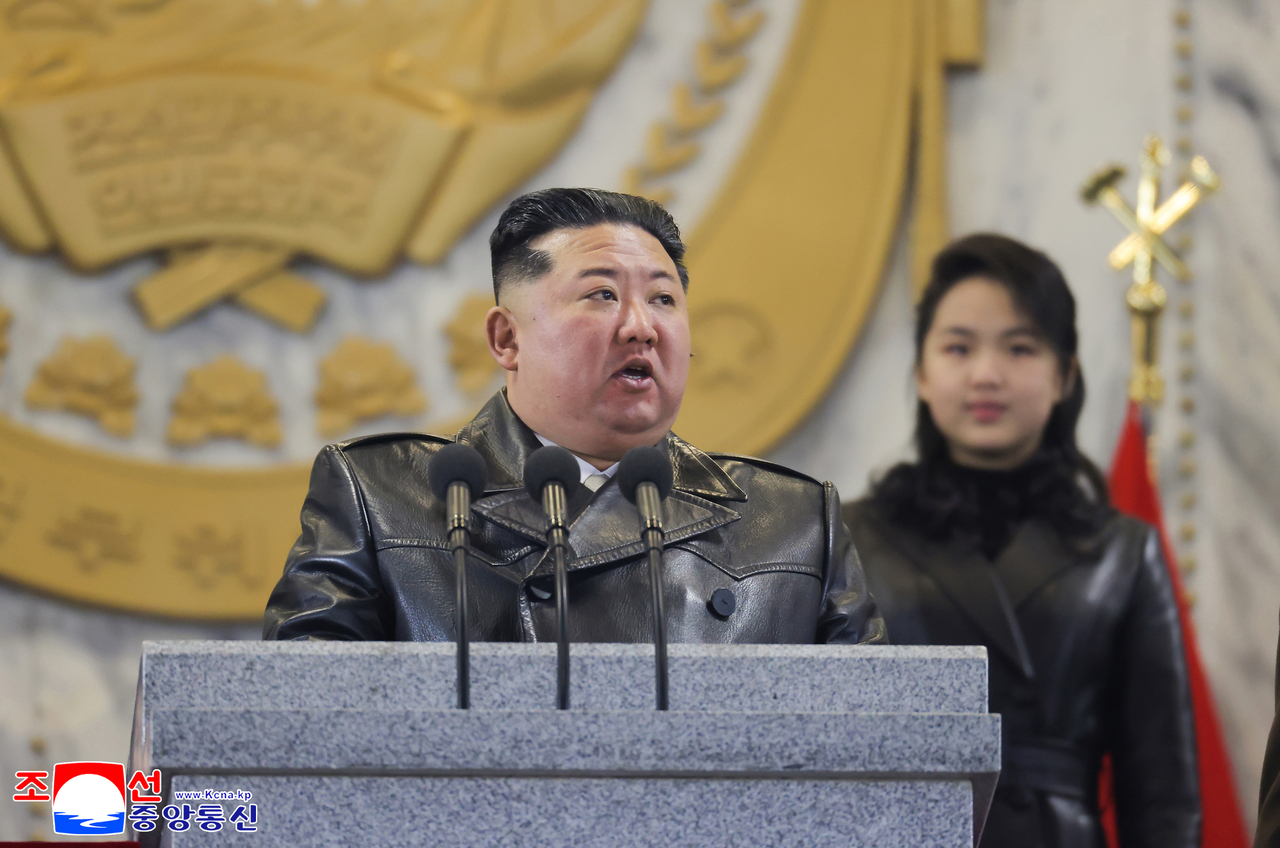
North Korea’s swift backing of Iran after joint US-Israeli strikes appears to serve purposes far beyond routine diplomatic solidarity.
By rallying behind Tehran, Pyongyang is signaling its intention to draw closer to Russia, Iran’s key partner, through carefully calibrated messaging that keeps it at arm’s length from the conflict.
From the standpoint of regime security, the Kim Jong Un regime’s denunciation of the strikes as a violation of sovereignty functions as preemptive political signaling against any future external attempt to undermine its own system.
Such rhetoric is also a manifestation of Pyongyang’s deeply ingrained belief that nuclear weapons are the ultimate guarantee of regime survival — a conviction observers say will only harden after the attacks on Iran.
At a broader strategic level, the move reflects Pyongyang’s geopolitical calculus: aligning itself with Russia’s push for a multipolar world order, also espoused by Iran, that challenges US dominance.
“In short, supporting Iran helps maximize the regime’s survivability, while also earning it credit in Moscow,” Doo Jin-ho, director of the Eurasia Research Center at the Korea Research Institute for National Strategy, told The Korea Herald.
North Korea issued a press statement by an unnamed Foreign Ministry spokesperson on March 1 condemning the US-Israeli attacks on Iran the previous day as an “illegal and reckless act of aggression and the most despicable form of violation of sovereignty.”
The statement added that “the growing acts of US hegemony witnessed by the international community are a clear example of its destructive role in undermining world peace and stability and the grave consequences that follow.”
Another statement followed on March 10 in the form of an answer by an unnamed North Korean Foreign Ministry spokesperson, a lower-level format than a formal press statement. It denounced “violations of a country’s political system and territorial integrity” and interference in its internal affairs, while expressing respect for the Iranian people’s right to choose their supreme leader.
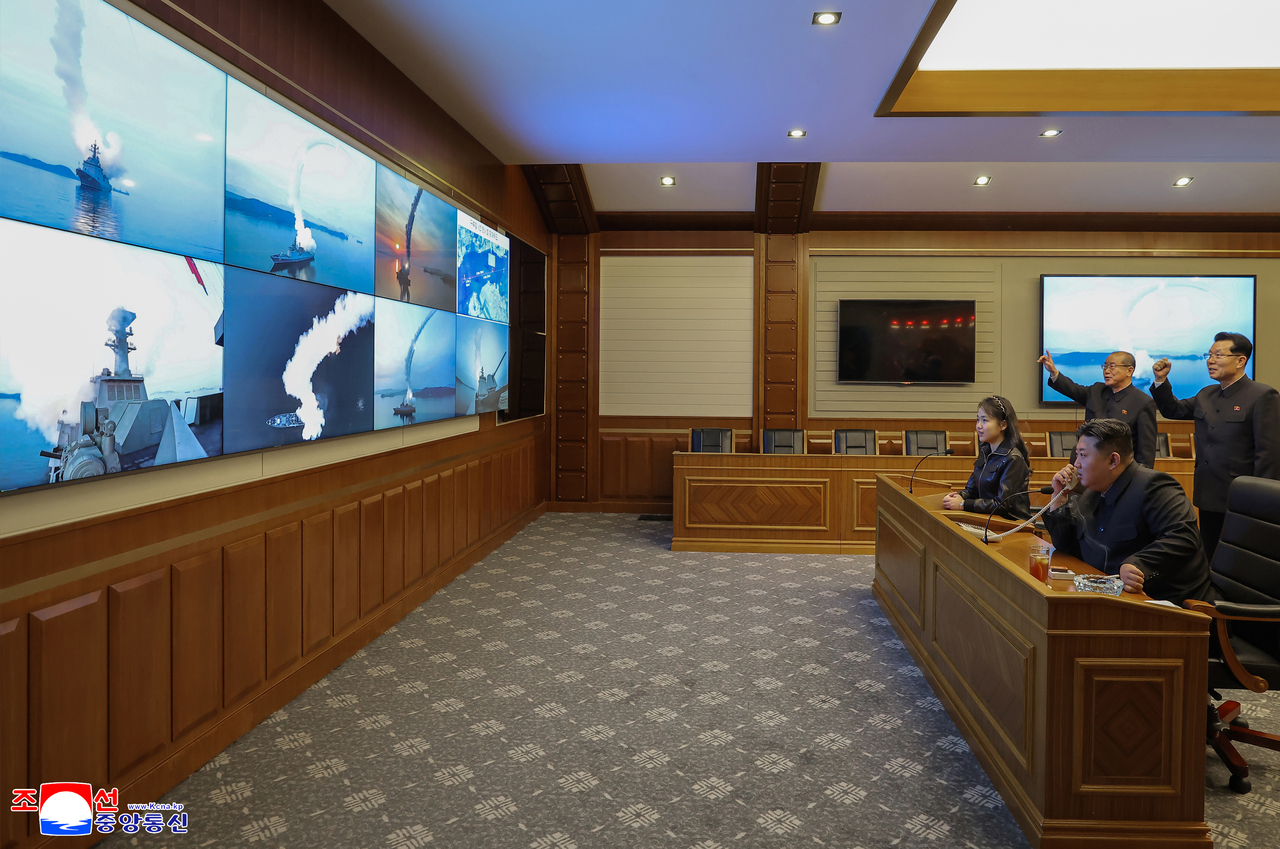
Regime survival, preemptive effect
Analysts say Pyongyang’s condemnation of the attacks on Iran that killed Supreme Leader Ali Khamenei can be seen as a move aimed at easing regime insecurity over the possibility of a decapitation strike, however slim that prospect may be.
Doo noted that US President Donald Trump’s mention of Cuba as a possible next target could be deeply unsettling from Kim Jong-un’s perspective.
“There is no guarantee that the US decapitation strike against Khamenei would not become a precedent for North Korea’s future, meaning Pyongyang must prepare for even the worst-case scenario,” Doo said.
“Against this backdrop, North Korea’s condemnation of what it calls an invasion of a sovereign state and its declaration of support for Iran appear aimed at producing a preemptive political deterrent effect (against any similar future scenario)."
Doo further explained that a US decapitation strike against the North Korean leader remained highly unrealistic in light of North Korea’s nuclear capabilities, as well as its strategic relationships with Russia and China.
Logic of nuclear deterrence
Experts say that by backing Iran — a country attacked while nuclear negotiations with the US were still in play — Pyongyang is also reinforcing a message: That nuclear weapons are the ultimate guarantee of sovereignty and regime survival.
“For the North Koreans, the war in Iran strikes an especially important chord,” Benjamin R. Young, an assistant professor of intelligence studies at Fayetteville State University, told The Korea Herald.
“They see US and Israeli strikes on Iran as a violation of Iranian sovereignty. Moreover, they see it as proof that the only way to fully guarantee national sovereignty is to have nuclear weapons. It essentially reaffirms North Korea's decision to have a nuclear arsenal.”
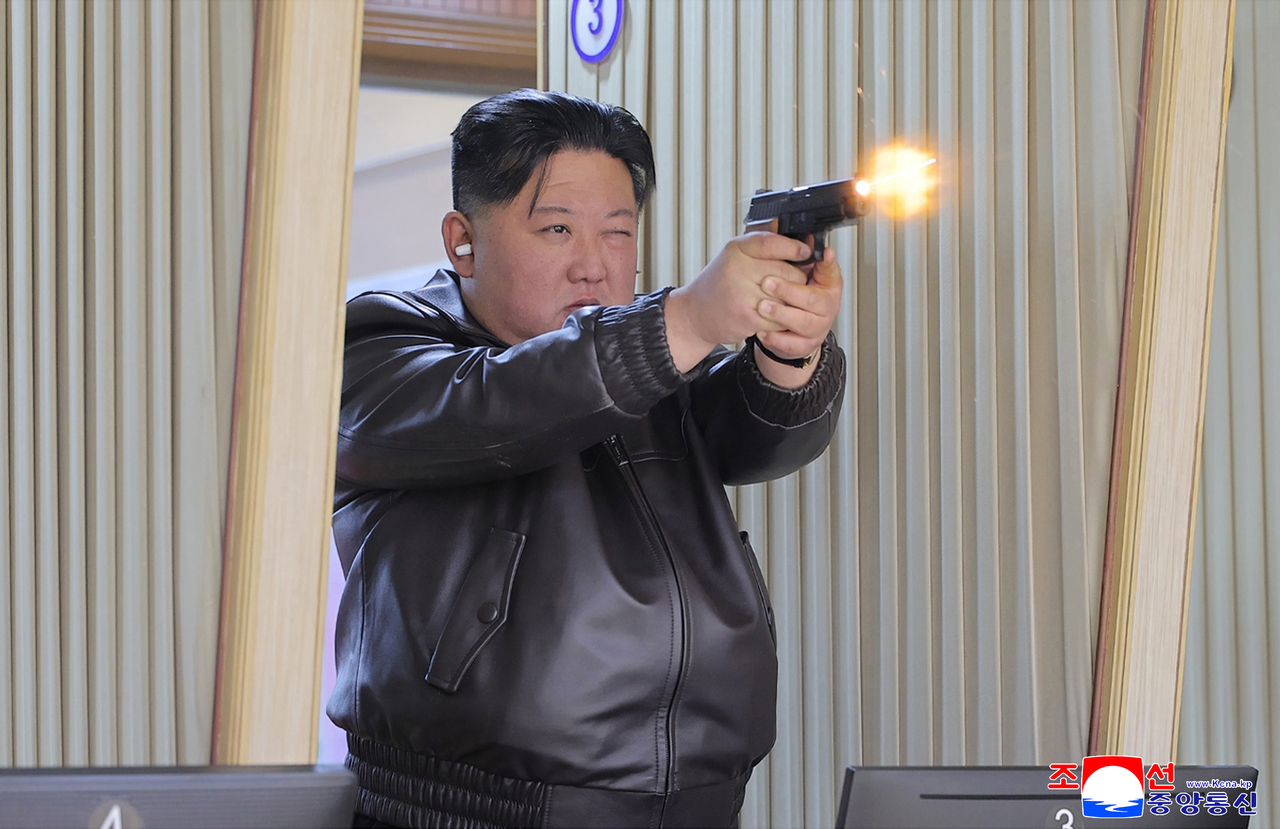
Kim himself has repeatedly portrayed nuclear weapons as the country’s fundamental security guarantee.
In his report to the Ninth Party Congress held Feb. 20-21, Kim underlined that North Korea’s status as a nuclear weapons state “plays an important role in deterring the potential threats of hostile forces and maintaining regional stability,” and that the country’s nuclear force is “a basic guarantee and a powerful safety device that reliably secures the country’s security, interests and right to development.”
Young added that thoughthe “chances before the Iran war were slim, it's now more likely that we discover martians in outer space than the North Koreans ever abandoning their nuclear program.”
Multipolar order
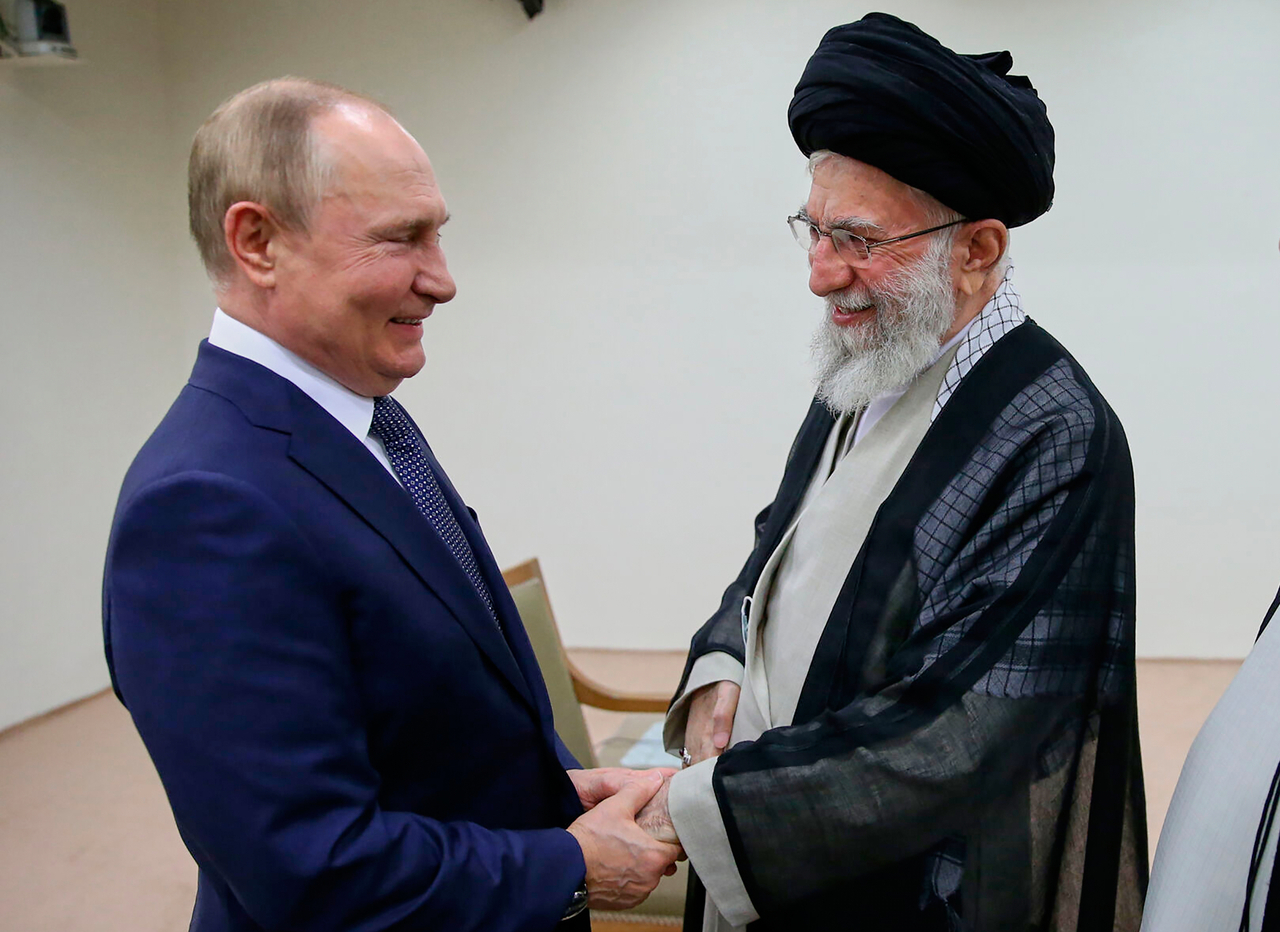
Furthermore, Pyongyang’s support for Tehran should be understood not only as backing for Iran itself but also as alignment with Russia’s broader push to weaken US dominance through alternative multilateral arrangements and a multipolar world order.
Kim has repeatedly framed such a vision as part of North Korea’s long-term strategic outlook.
In his report to the Ninth Party Congress, Kim said that “the forces of independence will continue to grow stronger, and through their progressive struggle the construction of a fair and just multipolar world will be further accelerated,” emphasizing that “our state stands at the very center of that process.”
Kim also highlighted the importance of Russia-North Korea ties in shaping that global order. In a birthday message sent to Russian President Vladimir Putin and reported by North Korean state media on Oct. 7, 2025, Kim expressed confidence that the alliance between the two countries “will make a significant contribution to establishing a multipolar world order.”
Doo noted that Pyongyang’s support for Tehran should be viewed within that broader geopolitical landscape, pointing to North Korea’s “tendency to view the US attack on Iran through the lens of unipolar hegemony.”
From that perspective, backing Iran amounts to siding with forces that oppose a US-led order and support a more multipolar one, according to Doo.
One concrete example illustrating such alignment among North Korea, Iran and Russia is the proposed Eurasian Charter, an initiative promoted by Russia and Belarus.
During the first Minsk International Conference on Eurasian Security in October 2023, Belarus invited North Korea, Iran and Myanmar to join the framework. In February this year, the Belarusian Foreign Ministry said the four countries had issued a joint statement reaffirming the idea of a “Eurasian Charter of Diversity and Multipolarity,” effectively formalizing North Korea’s participation.
“Russia has been actively promoting the Eurasian Charter through Belarus, and North Korea, Iran and Myanmar have all expressed their intention to participate in such a framework,” Doo said. “In that sense, support for Iran ultimately means support for and solidarity with the Russia-led Eurasian Charter.”
Doo added that multilateral and minilateral frameworks involving a limited number of countries will advance Russia’s goal of a multipolar world while also serving North Korea’s own strategic interests.
“Minilateral groupings such as the Eurasian Charter function to generate indirect deterrence and serve as a preemptive measure in preparation for the possibility that the North Korea-Russia alliance could weaken after the war in Ukraine.”
Pyongyang’s strategic calculus
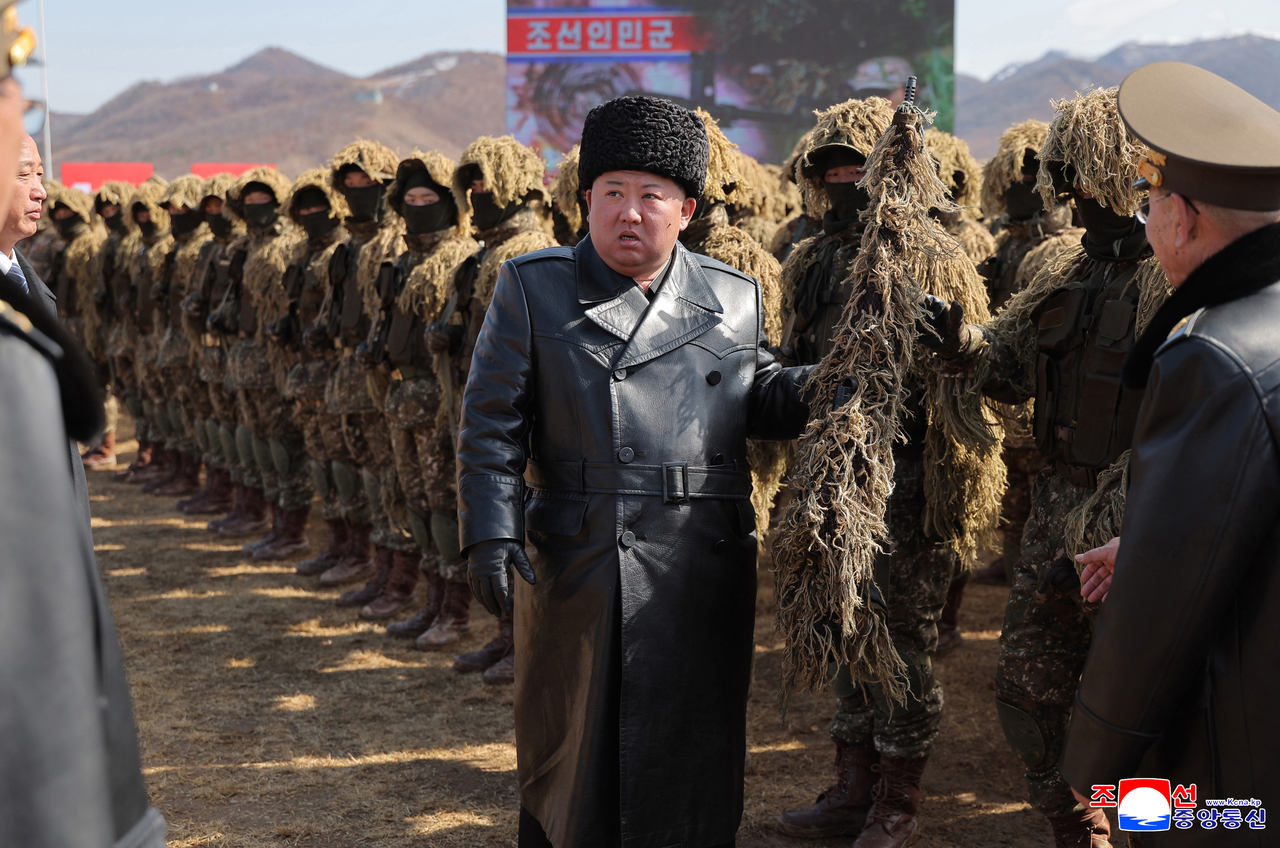
North Korea’s public backing of Iran also reflects a calculated strategy: Signaling solidarity with Tehran while avoiding the risks of direct involvement in the conflict.
Michael Bosack, founder of the Parley Policy Initiative and former deputy secretary of the United Nations Command Military Armistice Commission, said Pyongyang’s two statements — both issued through unnamed Foreign Ministry spokespersons and couched in relatively modest terms — suggest a deliberately calibrated response.
“North Korea and Iran have a long history of diplomatic ties, and they share a mutual partner in Russia, so logic follows that they would offer some diplomatic support for Tehran amid the ongoing conflict,” Bosack told The Korea Herald.
“The publication of statements illustrates that the Kim regime wanted to show at least some solidarity with a longtime diplomatic partner. However, the nature of the statements indicates that North Korea has no interest in directly involving itself in the conflict.”
According to Bosack, Pyongyang’s statements show its intention to avoid the risks of direct involvement while still reaping potential strategic benefits.
One such benefit could emerge in North Korea’s relationship with Russia. Both Iran and North Korea have supplied weapons and military equipment to Moscow for use in the war in Ukraine.
“Now that Iran is expending its war materiel in its own conflict, the aperture for North Korean exports has widened,” Bosack said. “This not only boosts the prospects of additional trade with Russia; it increases the leverage that Pyongyang has in its relationship with the Kremlin.”
At the same time, the conflict in the Middle East could draw US military attention and resources away from other theaters, including the Korean Peninsula.
“The longer the war goes on, the greater the impact will be. From the Kim regime’s perspective, a reduction in capability represents a decrease in overall threat,” Bosack said. “There is no impetus for North Korea to inject itself directly into the conflict beyond diplomatic statements. As the old adage goes, ‘Never interrupt your enemy when he is making a mistake.’”
dagyumji@heraldcorp.com