Seoul’s education authority is expanding support for students from multicultural families and migrant backgrounds as their numbers rise in schools across the city.
The Seoul Metropolitan Office of Education on Thursday unveiled a comprehensive support plan that includes establishing a second multicultural education support center and improving school environments to help such students and their parents better adapt to the Korean education system.
The second Seoul Multicultural Education Support Center will be built in Jongno-gu in central Seoul, addressing concerns that the existing center in Yeongdeungpo-gu mainly serves the city's southwestern area, where demand for multicultural education has been concentrated.
Along with expanding access to services across Seoul, the new center will introduce artificial intelligence-based real-time language support in classrooms, as well as multilingual counseling covering psychological well-being and career planning.
It will also offer level-based Korean language education tailored to students’ proficiency, moving beyond the previous model that focused primarily on intensive language programs.
The expanded efforts come as the number of students with international backgrounds in Seoul continues to grow rapidly.
The figure rose 13.6 percent over the past five years to about 22,000 as of April last year, while the city’s overall student population declined 9.9 percent during the same period amid South Korea’s shrinking school-age population.
Education officials said particularly sharp growth among middle and high school students is placing additional strain on schools, as many such students are expected to have already completed basic adaptation and focus on academic progress.
The plan also focuses on improving school conditions by expanding on-site support programs for both students and parents.
Recognizing classrooms as the frontline of support, the education authority plans to reduce class sizes to 18 students at schools where more than 70 percent of the student population comes from diverse backgrounds.
The office will also consider requesting the Ministry of Education to approve additional specialized teachers dedicated to Korean language instruction, parent counseling and crisis support for students. It also plans to institutionalize regular parent academy programs.
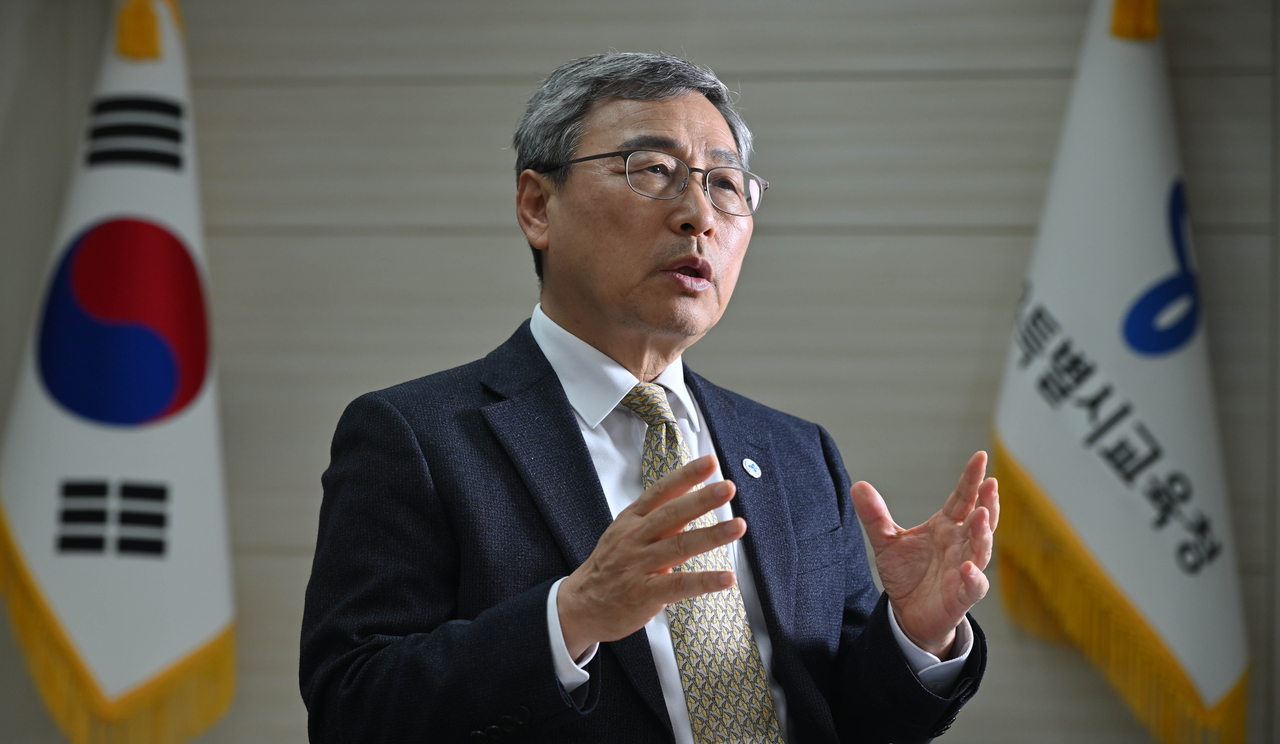
“The plan aims to build a structural environment that allows teachers to focus on teaching while protecting students’ right to learn,” said Jung Geun-sik, superintendent of the Seoul Metropolitan Office of Education.
“We will provide institutional support so that schools are not left to shoulder the burden alone.”
forestjs@heraldcorp.com