Seoul Metropolitan Ballet opens season with double bill 'Bliss & Jakie'
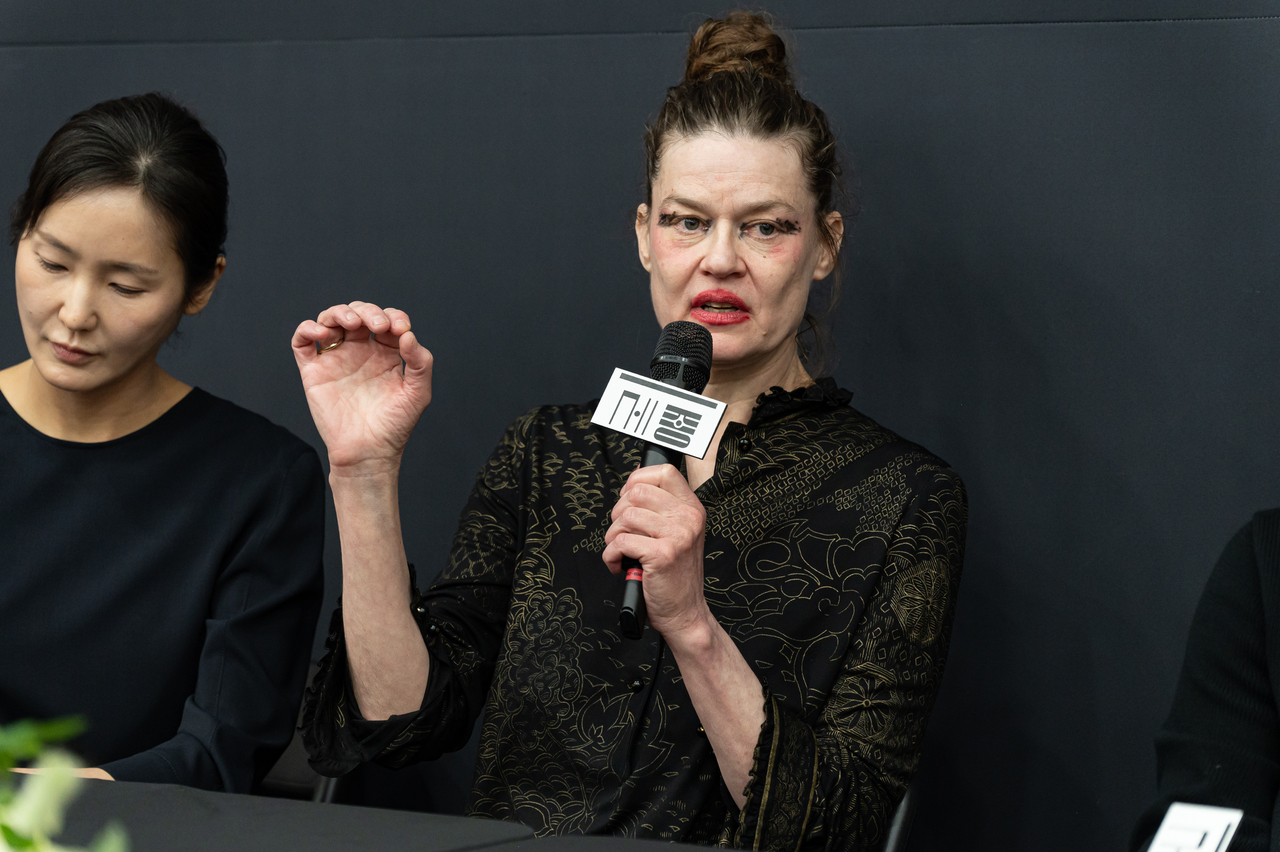
For professional dancers, learning to pare themselves down can be challenging. As technique deepens, so does the instinct to add.
And choreographer Sharon Eyal asks for the opposite.
“I'm asking the dancers to reduce and to be most minimalistic in a very extreme way. This is very challenging because the more professional you are, you add stuff. But I think this effort brings what I said before -- not choreography but ‘experience.’”
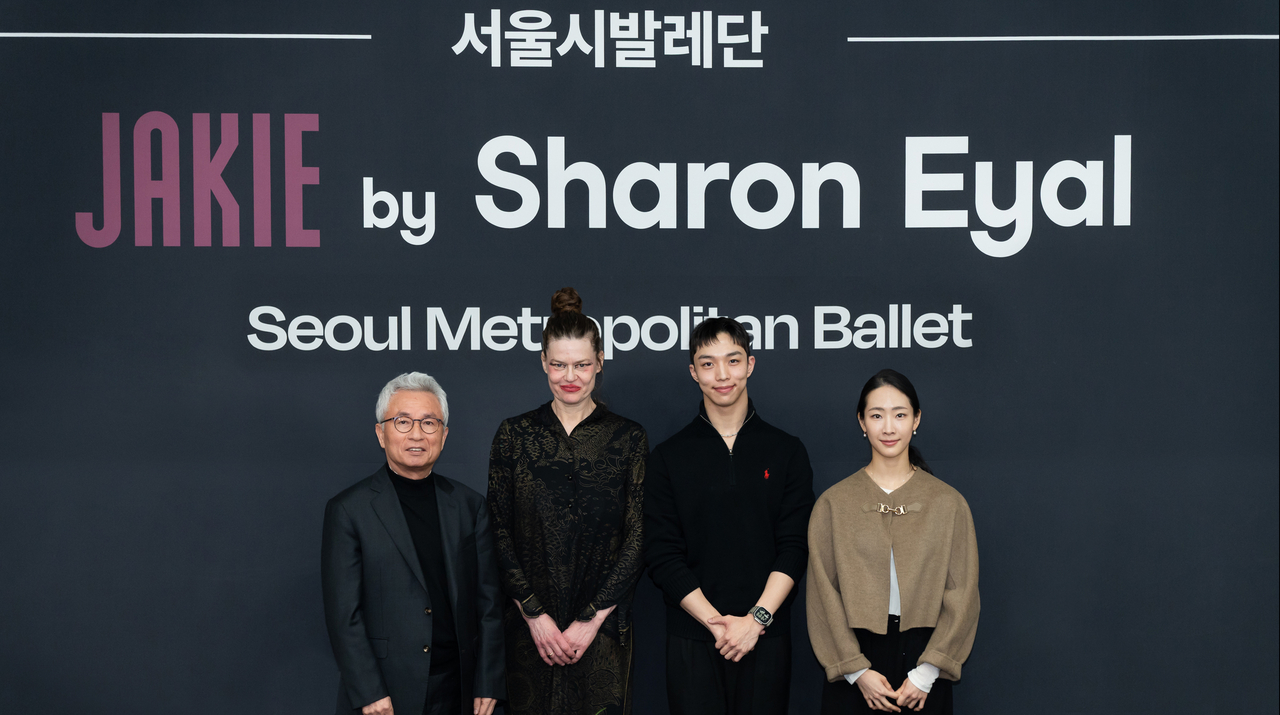
Eyal is working with Korean dancers for the first time, collaborating with the Seoul Metropolitan Ballet, which celebrates its second anniversary this year. The company will stage her work “Jakie” from Saturday until March 22, as part of a double bill with “Bliss” by the Swedish choreographer Johan Inger.
The Israeli-born choreographer was a dancer and in-house choreographer for the Batsheva Dance Company, under the influential choreographer Ohad Naharin. She later founded her own company, SED (Sharon Eyal Dance), with her husband and artistic partner Gai Behar. Her work has since been performed by major dance institutions, including the Paris Opera Ballet, and she has collaborated with fashion houses like Dior, becoming one of the most closely watched choreographers on the contemporary dance scene.
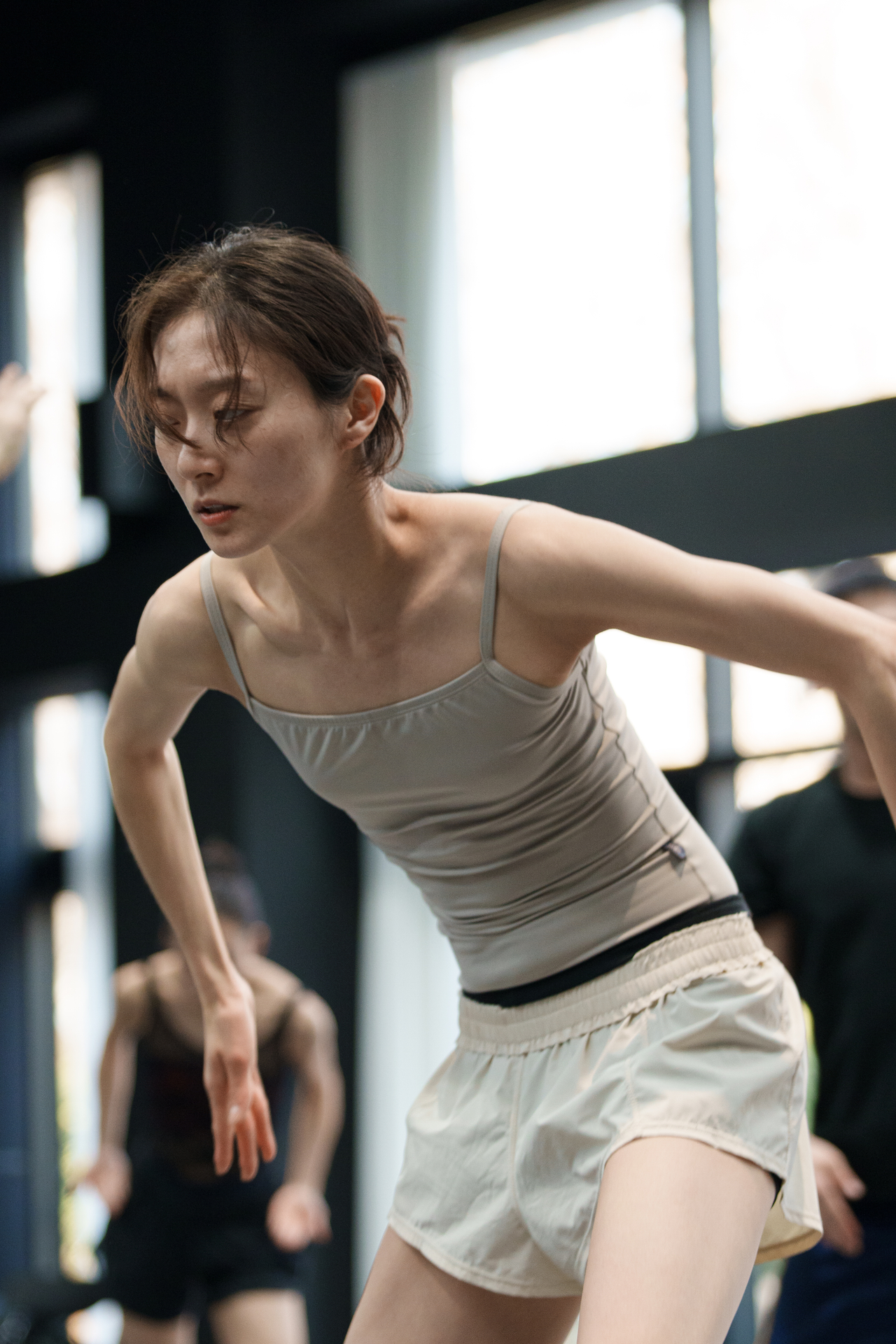
Speaking to Korean reporters ahead of the Seoul premiere, Eyal said she does not create works simply for the sake of a piece, but as part of a larger continuum in her life.
“It’s like a chunk of bread that I’m cutting every time. So it’s not something that I’m creating just for this piece, but it’s just a continuation. The inspiration is my life,” she said.
Eyal said she has been dancing since the age of four and creating for nearly as long. She choreographed her first piece at 13. For her, dance became a form of communication.
“If I were better at talking and expressing myself, maybe I wouldn’t do what I’m doing,” she said. “This is my expression.”
Eyal describes herself not as a choreographer but as “a dreamer.” When creating a work, the first layer begins with her own body: she dances and films the movements.
“To me, dancing and creating -- it is the same thing. I cannot dance without creating. I cannot create without dancing. I think the moment I cannot dance myself I also need to stop creating.”
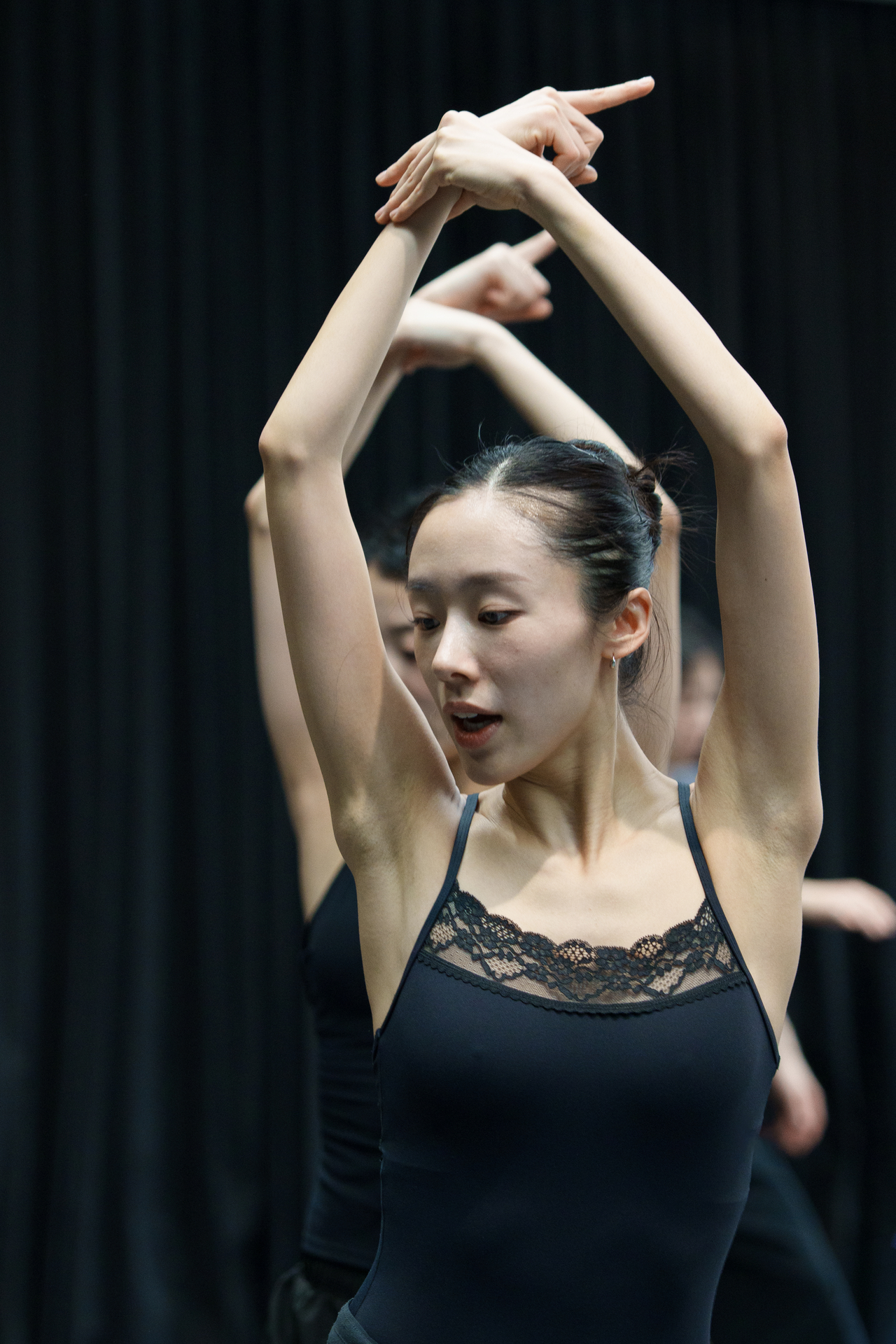
Bodies in extremity
“Jakie,” which Eyal created with Nederlands Dans Theater in 2023, showcases many of her signature elements. Dancers wear skin-toned unitards that function almost like an “extra skin.” Moving nearly as a collective organism, they torque and twist their bodies to hypnotic techno music. The choreography sits at the uneasy intersection of ballet’s rigor and techno’s freedom.
“Korean dancers are very strict on form, and I love it because I’m obsessed with this too,” Eyal said.
She has made small adjustments tailored to individual dancers, she said, adding that she enjoys discovering “new mentality, new feeling with new faces and new emotions.”
“Jakie” embodies what Eyal calls a “sensitivity that’s coming from physicality.” Her choreography pushes dancers to physical extremes, keeping them balanced on the very tips of their toes.
“It’s the technique and the form and the extremity that I love. I want the dancers to be like babies -- without mannerism, without past and without future. Something very clean and pure.”
The costumes — the close-fitting “second skin” — reflect that philosophy.
“I love the body of the dancers, and I think less is more,” she said. “The costume is almost another skin. When you show more skin, you have the emotion more. I love to see the bodies, the muscle, the sweat and the colors changing with the sweat.”
Eyal is deliberately enigmatic about the meaning of the title “Jakie,” saying it is very personal to her. But audiences are free to imagine anything, even a bear or a moon, something they feel connected to.
“I believe when I talk less you can feel more. When I go to a movie I don’t like to read what it’s about. I want to ‘experience’ the movie. That’s what I love when people come and experience the feelings.”
Her advice for audiences is simple.
“Come open,” she said. “Come with an open heart and feel free to feel whatever you want. Each one can feel different but feelings are feelings.”
hwangdh@heraldcorp.com