'Boheoja' centers on Prince Anpyeong, people whose lives were shattered by coup in 1453
As surprise blockbuster film “The King's Warden” draws closer to the milestone of 10 million tickets sold at the local box office, renewed attention is turning to the final four months of the young dethroned King Danjong. Yet Danjong was not the only victim of King Sejo’s coup d’etat.
Born the second son of King Sejong, Prince Suyang (later King Sejo) seized the throne in 1453 after overthrowing his young nephew Danjong and purging officials who stood in his way. His ruthless rise to power later earned him the moniker “the bloody monarch.”
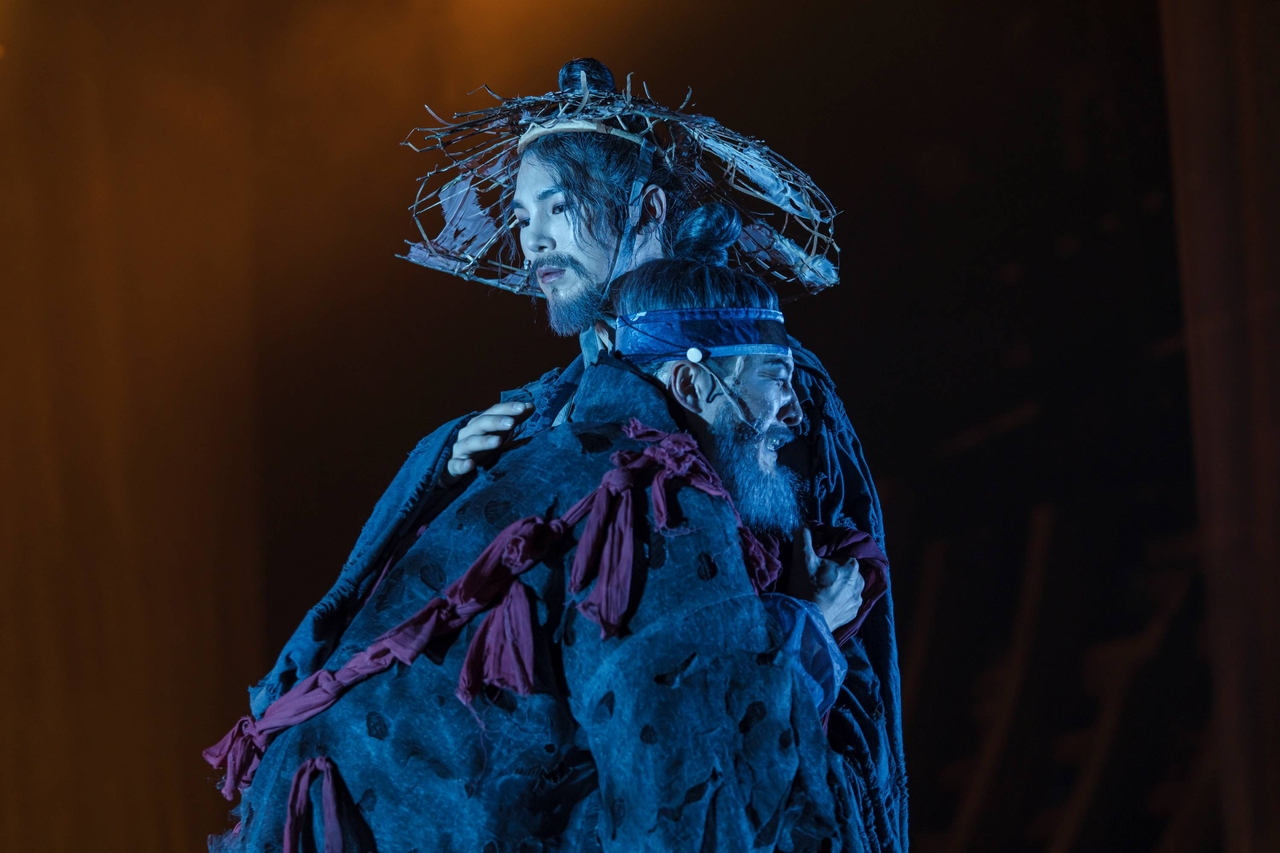
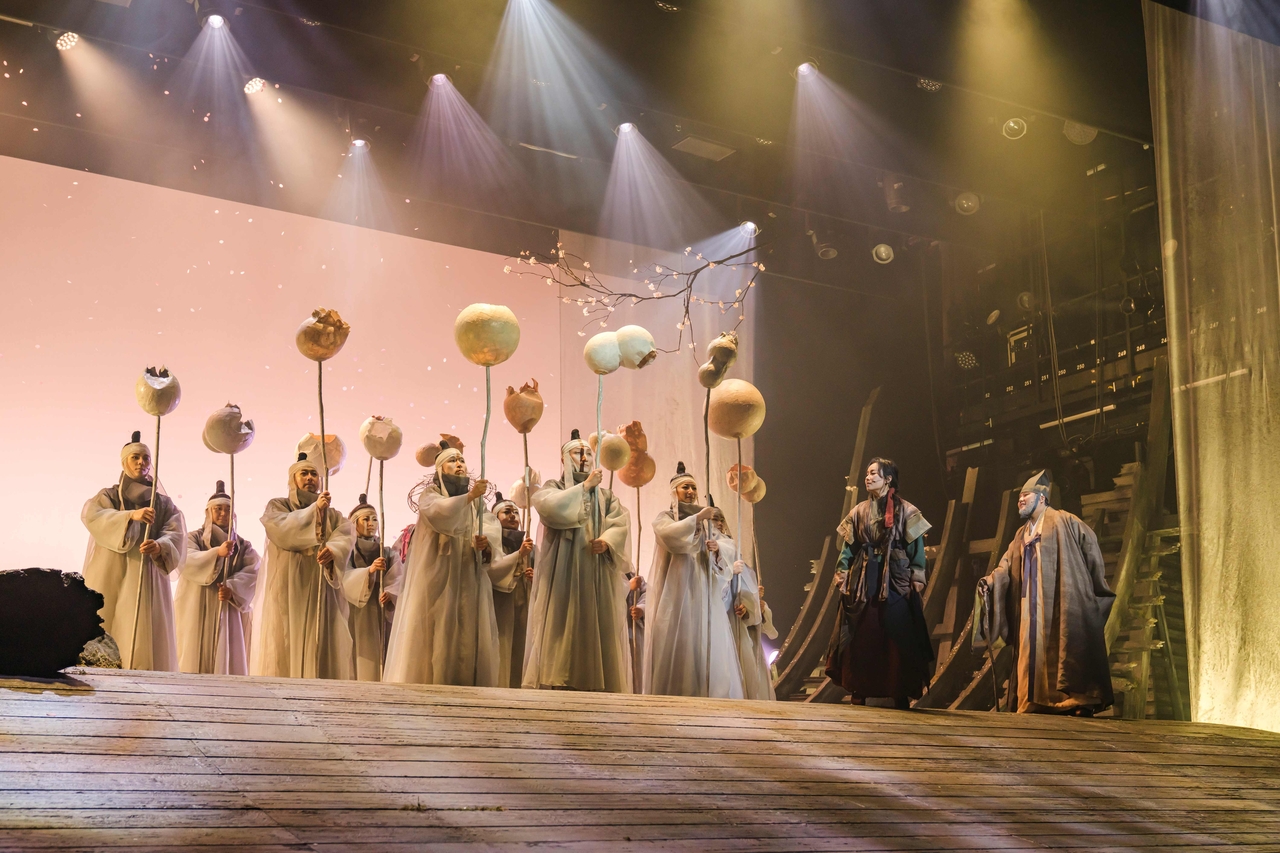
A changgeuk production exploring the same turbulent chapter of the Joseon era (1392-1910) from a different perspective — and through a different cast of historical figures — is set to return in March after its sold-out premiere a year ago.
The National Changgeuk Company of Korea, the resident company of the National Theater of Korea, will bring back “Boheoja — The One Who Walks the Void” from March 19 to 29 at the Daloreum Theater. English subtitles are available.
Changgeuk is often described as a form of traditional Korean opera, in which performers sing in the narrative style of pansori while acting out dramatic roles onstage.
“Boheoja” centers on Prince Anpyeong, the third son of King Sejong, whose life was cut short amid the power struggle that brought his brother Prince Suyang to the throne. Anpyeong was a close aide and ally of King Danjong.
Unlike his politically driven brother, Anpyeong was known as a patron of the arts — a poet, calligrapher, painter and gayageum player.
He is best remembered for “Mongyudowondo” ("Dream Journey to the Peach Blossom Land"), a painting depicting an ethereal paradise he saw in a dream. The work was created by court painter An Kyon after the prince described the dream to him.
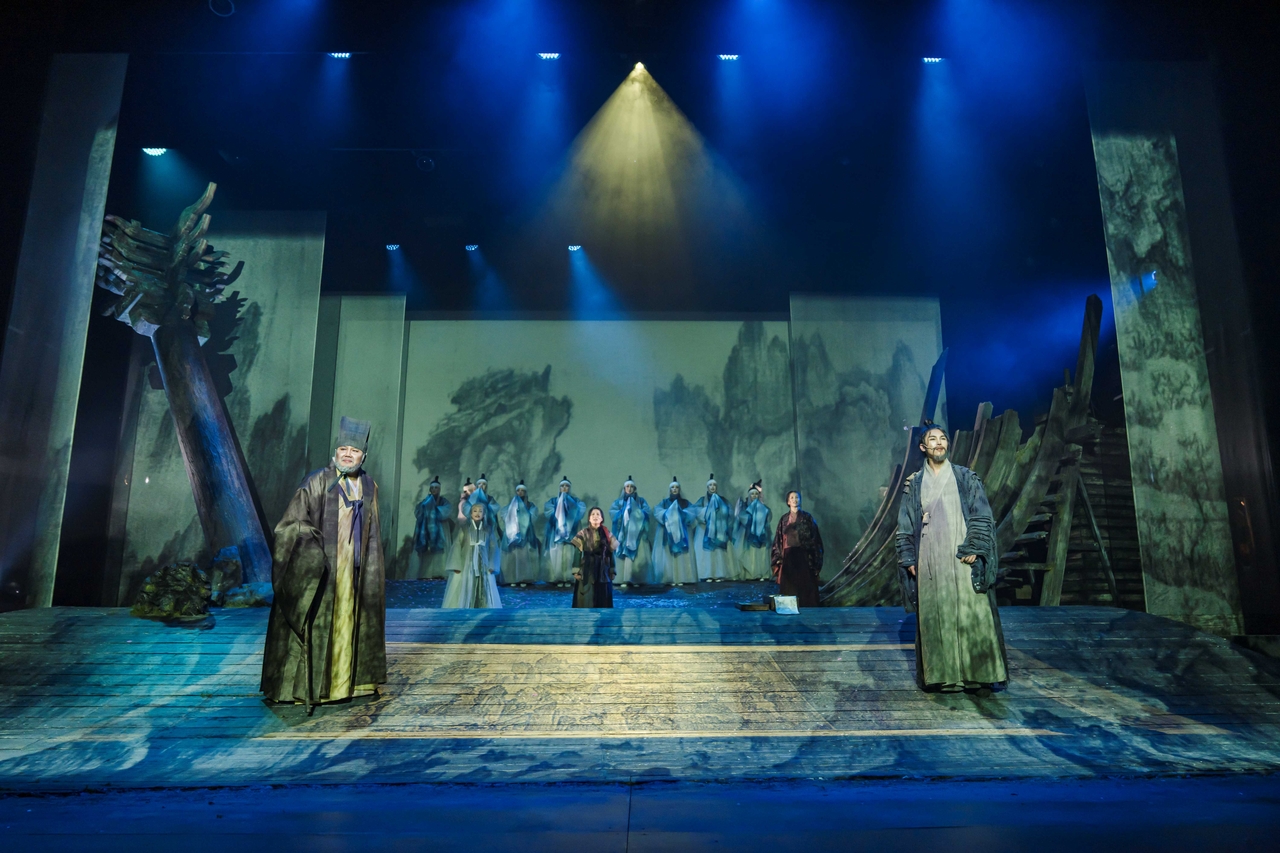
Instead of revisiting the violent political struggles, the production leaps 27 years later to explore lingering wounds left by history and the people who remained amid its scar.
No grave or epitaph confirming Anpyeong's death after his exile remains — a historical absence that drew the attention of playwright Pai Sam-shik, who imagined the possibility that the prince might somehow have survived.
Pai built the story around people connected to Anpyeong: his daughter Moo-sim, who was forced into slavery at the age of 15 or 16 and set free 27 years later, and the painter An, who searches for Dae-Eohyang, Anpyeong’s beloved concubine who also became a government slave. Their paths eventually cross at the ruins of Anpyeong’s former residence, where the survivors gather to share memories.
The title of the production draws from “Boheoja,” a court music piece reflecting Taoist ideals of immortality, longing and transcendence. The production also incorporates the work’s main melodic motifs into its musical score.
At a press conference last year, Pai said he focused on the meaning of “Boheoja,” which serves as a metaphor for people who long for a free and tranquil life, yet move precariously through a world that offers them no firm ground.
Yu Eun-seon, artistic director of the National Changgeuk Company, noted that “The King’s Warden” has revived interest in the tragic struggle surrounding Danjong.
“In this production, the diverging fates of the two brothers — Prince Anpyeong, who tried to protect the young king, and Prince Suyang, who pursued the throne — unfold through songs of deep regret and powerful vocal performance, offering a distinctly different experience from the film.”
hwangdh@heraldcorp.com