Show returns after 4-year break with its most international lineup yet
Tom Cruise's iconic line from "Jerry Maguire" — "Show Me The Money" — occupies a special place in Korean culture.
The phrase has become virtually synonymous with hip-hop, as the name of the country's flagship hip-hop survival program. The ultimate reward is literal, with the season's winner traditionally "shown" a 100 million won ($68,000) cash prize.
In a music market dominated by K-pop, hip-hop increasingly occupies its own niche.
So the show's return for its 12th season, its first in four years, presented the producers with their greatest creative challenge yet. Backed by CJ ENM, the powerhouse behind numerous hit TV franchises, the new season was shaped through extensive deliberation on how best to serve Korean hip-hop's loyal but relatively small fan base.
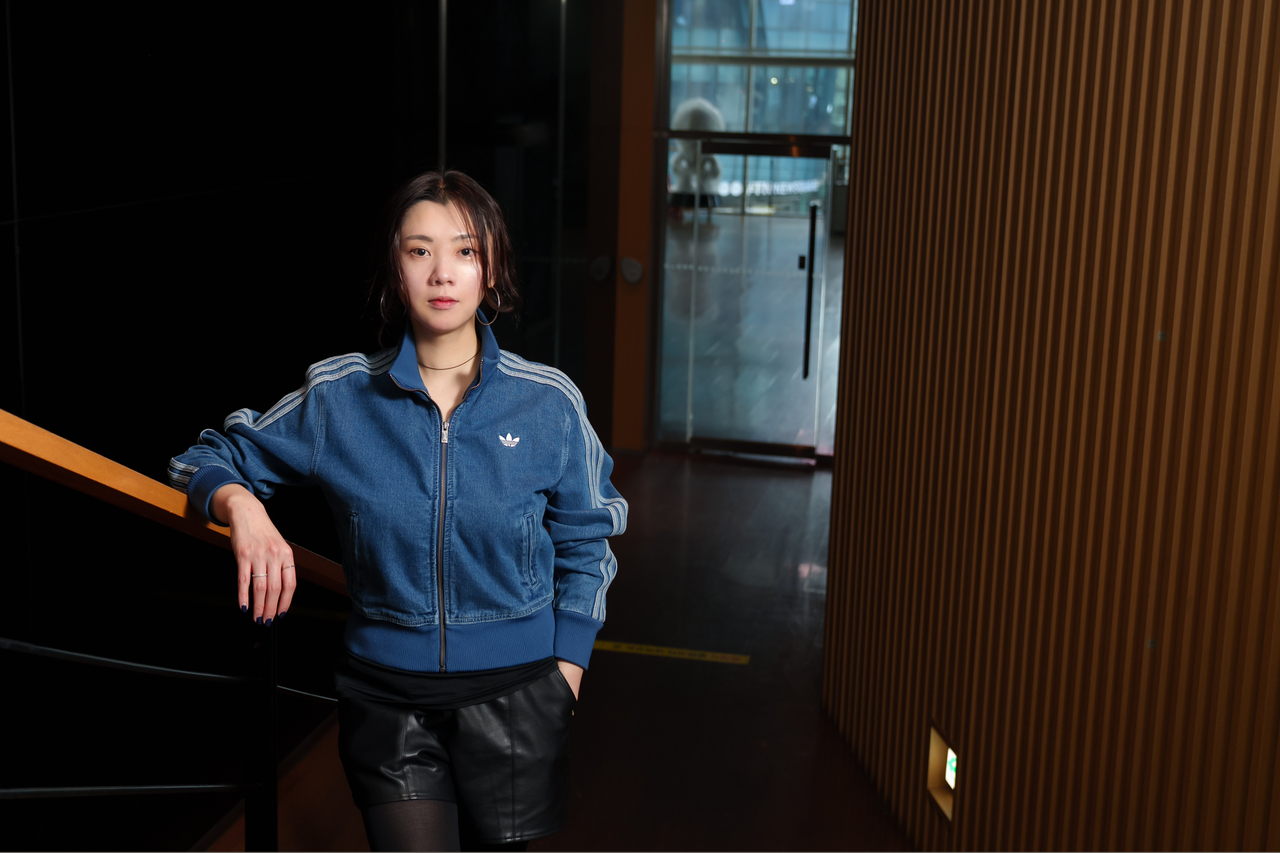
Speaking at a press interview in Seoul on Monday, chief producer Choi Hyo-jin said the prolonged break forced the team to reassess every aspect of the show.
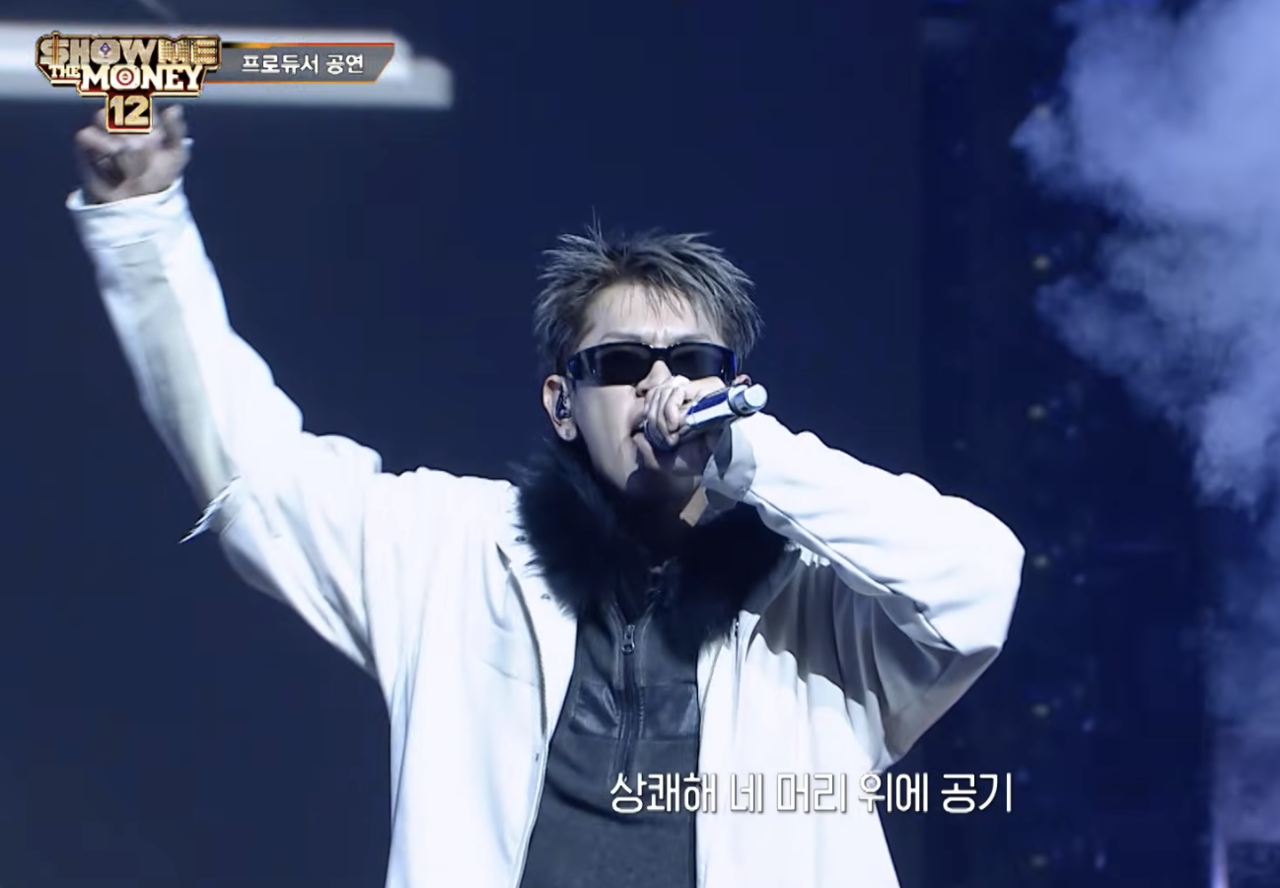
"Because it had been such a long time since the last season, we had to rethink things seriously from the planning stage," Choi said. "During that time, the media environment changed dramatically, and viewers' tastes and viewing habits shifted as well. That meant there were many points we had to consider very carefully."
A veteran of the franchise, Choi previously directed Seasons 4-6 and has served as chief producer since then, bar Season 9. That long history, she noted, presented both an advantage and a challenge.
"As a long-running series, it has a strong heritage, but that also means there are many familiar elements," she said. "The key question was where to introduce change and where to preserve what audiences recognize as the classic 'Show Me the Money' identity."
In navigating that balance, Season 12 introduces a notable structural expansion. Airing alongside the main broadcast on Mnet is a streaming spinoff, "Show Me the Money 12: The World of Yaksha," released on Tving, CJ ENM's streaming platform. The series follows contestants eliminated from the main competition, offering them a second chance to battle independently. Winners from the spinoff earn the right to rejoin the main competition.
Because the streaming platform operates under different content standards, Choi said the parallel format allowed for broader expressive freedom.
"There were clear differences in how content boundaries were applied," she explained. "That naturally affected lyric writing and how performances were ultimately presented."
Running the two systems simultaneously, she added, opened new creative possibilities for the franchise.
"It showed us there's room not just for 'Show Me the Money' to continue, but also for further experimentation and expansion in collaboration with hip-hop artists."
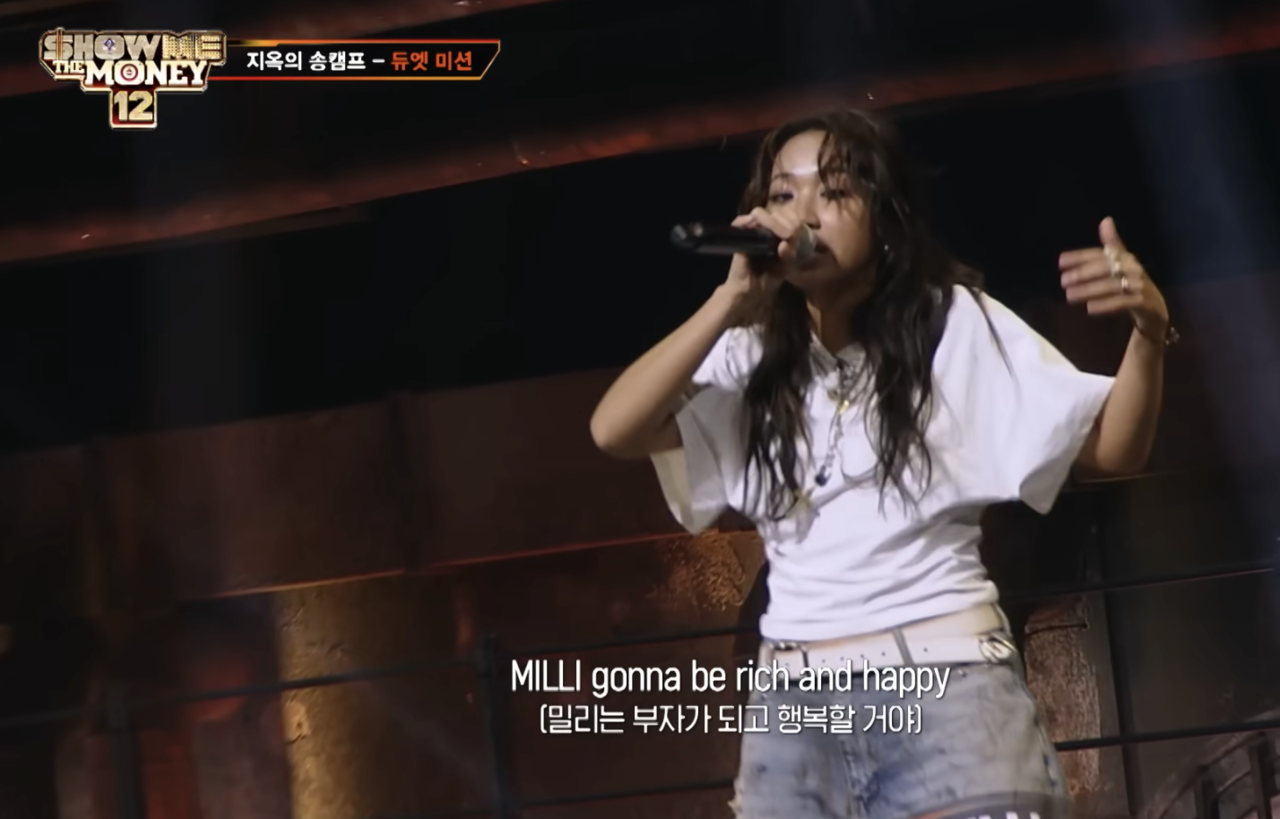
Another significant shift this season is the drastic increase in the number of international contestants, including global names such as Thai pop star Milli. While the production team initially worried about language barriers in a genre so dependent on lyrical nuance, they said it turned out otherwise.
"Rap places a lot of importance on message, so language was a concern," Choi said. "But once auditions began, we realized it wasn't as big a barrier as we expected."
According to Choi, performance energy, momentum and stage presence ultimately carried more weight than language alone.
"The artists communicate through music as a whole," she said. "We saw that came through very clearly."
She added that while the number of global applicants was not much larger than domestic contestants, the diversity of regions and languages stood out.
"If the show continues to keep its doors open globally, participation from more regions will feel increasingly natural," she said, pointing to broader possibilities for future seasons.
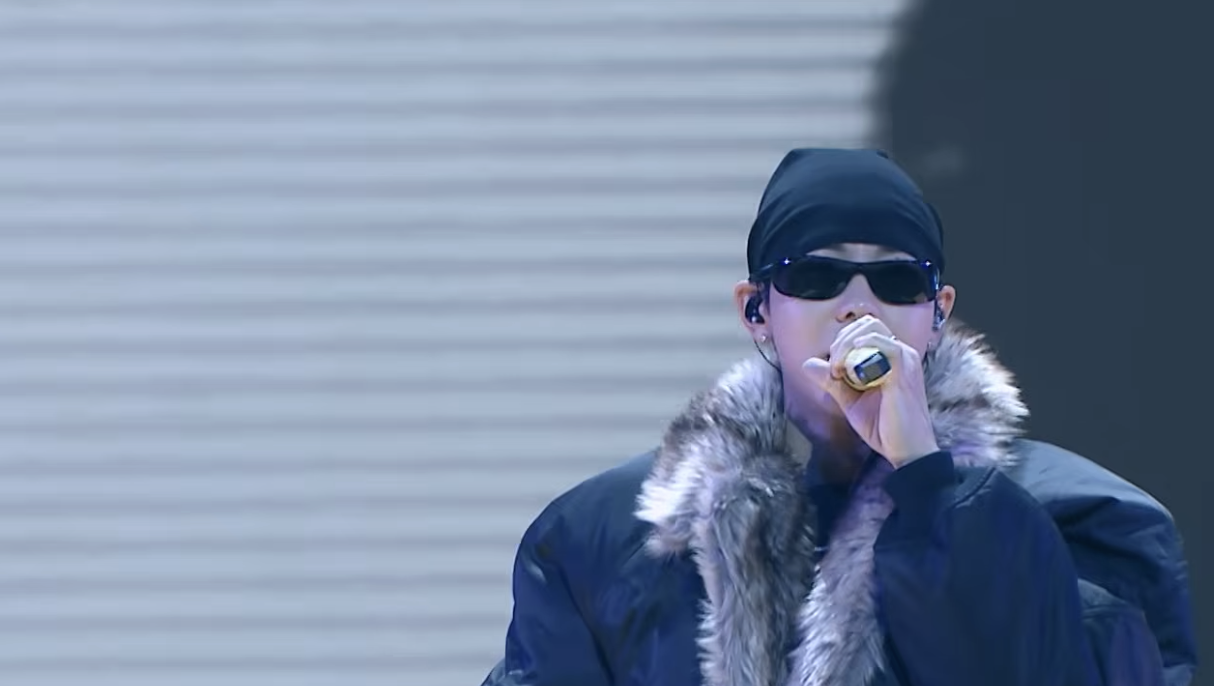
With just four episodes remaining as of Thursday, the production team is moving forward with a renewed sense of purpose, conscious of the show's symbolic role in Korea's hip-hop ecosystem.
That mindset is shared by the season's producers and judges, who include Zico, Crush, Gray, Loco, Hukky Shibaseki, J-Tong, Lil Moshpit and Jay Park.
"All of the producers share a strong sense of responsibility, almost a sense of mission," Choi said. "They believe their comments and every piece of music reflects the current state of Korean hip-hop."
She said Season 12 feels less like a conventional survival show and more like a collective act of curation. "The producers aren't just participating," Choi said. "They feel they're co-creating the program."
yoonseo.3348@heraldcorp.com


![[인터뷰] 구글 지도 반출 19년 교착…"막힌 건 안보가 아니라 수익성"](https://wimg.heraldcorp.com/news/cms/2026/02/13/news-p.v1.20260212.a1df6a111ac343629a0e9335485a7a2f_T1.jpeg?type=h&h=240)