Cosmetics ad referencing Mongolian baby’s red cheeks sparks controversy
'몽골 아기 볼' 화장품 광고... 마케팅 논란
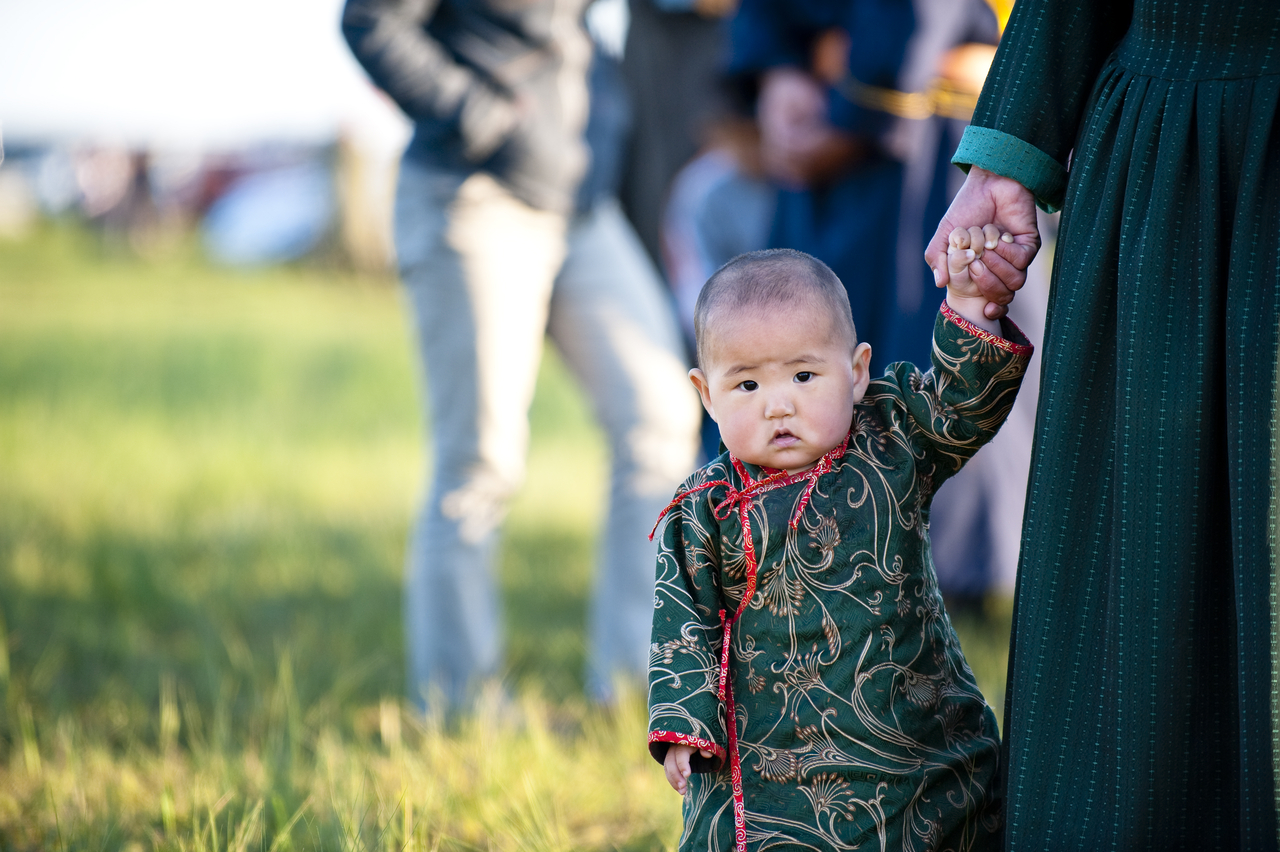
A South Korean cosmetics brand is facing accusations of racism after promoting one of its blush products with the phrase “cheeks like a Mongolian baby," according to online communities Thursday.
국내 한 화장품 브랜드가 블러셔 제품을 홍보하며 ‘몽골 아기 같은 볼’이라는 문구를 사용해 인종차별 논란에 휩싸였다고 19일 온라인 커뮤니티를 통해 전해졌다.
The brand, which specializes in color cosmetics such as blush and lipstick, released a moist textured blush in December last year. In posts shared across multiple online platforms, it described one of the nine shades, “Mocha pop,” by likening it to the flushed cheeks of a "lovely Mongolian baby."
블러셔와 립스틱 등 색조 화장품을 주력으로 하는 해당 브랜드는 지난해 12월 촉촉한 제형의 블러셔를 출시했으며, 여러 온라인 플랫폼 게시물에서 9가지 색상 중 하나인 ‘모카 팝’을 “사랑스러운 몽골 아기의 붉은 볼”에 비유해 설명했다.
The marketing copy drew backlash after Mongolian digital creator Haliun shared a video titled "Did a Korean brand just stereotype Mongolian kids?," calling the wording outdated.
해당 홍보 문구는 몽골 출신 디지털 크리에이터 할리운이 “한국 브랜드가 몽골 아이들을 고정관념화한 것인가”라는 제목의 영상을 올리며 표현이 시대에 뒤떨어졌다고 지적한 이후 거센 반발을 불러왔다.
"As a Mongolian, I can say that red cheeks are often associated with people who lived a nomadic lifestyle because of harsh weather conditions. To be honest, I'm quite disappointed we're still doing this in 2026," she said in the video, which was uploaded on Jan. 20 and has since attracted about 270,000 views.
그는 1월 20일 게시돼 약 27만 회의 조회수를 기록한 영상에서 “몽골인으로서 붉은 볼은 혹독한 기후 속에서 유목 생활을 해온 사람들과 연관 지어지는 경우가 많다”며 “2026년에도 이런 표현이 사용되고 있다는 점이 실망스럽다”고 말했다.
Local users echoed the criticism, with some arguing that the brand should have been more careful with its wording given the growing global influence of Korean cosmetics.
국내 이용자들 역시 비판에 동참했으며, 한국 화장품의 세계적 영향력이 확대된 만큼 표현 선택에 더욱 신중했어야 한다는 지적이 제기됐다.
"The marketer who wrote it might have just thought Mongolian babies are cute and didn’t mean any harm. But now that K-beauty products are popular around the world, we should be more aware of how things can come across as racist," one user wrote on Threads.
한 이용자는 스레드에 “작성자는 몽골 아기가 귀엽다고 생각했을 뿐 악의는 없었을 수 있다”면서도 “K-뷰티 제품이 전 세계적으로 인기를 얻고 있는 만큼 인종차별적으로 비칠 수 있는 표현에 더 민감해야 한다”고 적었다.
"Would it feel okay if an eye product from abroad was marketed using ‘Korean women’s double eyelids’ because Koreans are known for being good at double eyelid surgery? If you think about it the other way around, regardless of the intent, it would inevitably come across as racist," another user commented.
다른 이용자는 “해외 브랜드가 ‘한국 여성의 쌍꺼풀’을 내세워 제품을 홍보한다면 괜찮게 느껴지겠느냐”며 “의도와 관계없이 반대로 생각해보면 결국 인종차별적으로 받아들여질 수밖에 없다”고 지적했다.
With criticism mounting, the company recently changed the description to "a lovely deep mocha rose that looks gently warmed by the sun."
비판이 확산되자 회사는 최근 해당 색상 설명을 “햇살에 은은하게 데워진 듯한 사랑스러운 딥 모카 로즈”로 수정했다.
Controversies over racially insensitive language are not new in the beauty marketing sector.
미용업계에서 인종적으로 둔감한 표현을 둘러싼 논란은 새로운 일이 아니다.
In September last year, a cosmetics brand came under fire after using the term “soil” to describe the shade of one of its foundation products. It sparked criticism for linking the product to the skin of Black people, as the term has frequently been used as a racial slur.
지난해 9월에도 한 화장품 브랜드가 파운데이션 색상을 설명하며 ‘흙’이라는 표현을 사용해 논란이 일었으며, 해당 용어가 흑인의 피부색을 지칭하는 인종 비하 표현으로 사용돼 왔다는 점에서 비판이 제기됐다.
"If discriminatory messages keep appearing in marketing, they can gradually reinforce racist views. It may lead some consumers to think, 'This may be racist, but it’s acceptable to this extent,'" said Lee Young-ae, a professor of consumer studies at Incheon National University.
인천대학교 소비자학과 이영애 교수는 “차별적 메시지가 마케팅에 반복적으로 등장하면 인종차별적 인식을 점차 강화할 수 있다”며 “일부 소비자들이 ‘다소 인종차별적이지만 이 정도는 괜찮다’고 받아들이게 만들 수 있다”고 말했다.
"Even if it doesn’t have to be regulated by law, companies should still have a system to review how certain expressions are perceived in different cultural contexts. For K-beauty brands targeting global consumers, that kind of careful screening is essential."
이어 “법적 규제가 없더라도 기업은 다양한 문화적 맥락에서 표현이 어떻게 인식되는지 점검하는 체계를 갖춰야 한다”며 “글로벌 소비자를 겨냥하는 K-뷰티 브랜드에는 이러한 세심한 검토가 필수적”이라고 강조했다.
Tip
1. accusations — 비난, 고발
2. backlash — 거센 반발
3. stereotype — 고정관념화하다
4. influence — 영향력
5. insensitive — 둔감한, 배려 없는
6. slur — 모욕적인 발언, 비방
7. reinforce — 강화하다
8. essential — 필수적인
khnews@heraldcorp.com