최근 이란을 둘러싼 긴장이 고조되는 가운데 주한미군(USFK)의 임무는 한반도 방어에 집중돼 있다고 3일(한국시간) 미 전쟁부(옛 국방부) 관계자가 밝혔다. 이는 이란 정세와 관련해 주한미군 자산 일부가 중동으로 전개될 수 있다는 관측이 제기된 상황에서 나온 설명이다.
주한미군 자산이 중동으로 재배치됐느냐는 코리아헤럴드의 서면 질의에 대해 미 전쟁부는 관계자 명의로 답변을 보내왔다. 해당 관계자는 “주한미군은 한반도에서 강력하고 준비된 전투태세를 유지하는 데 집중하고 있다”며 “미국은 대한민국 방위에 대한 확고한 공약을 유지하고 있다”고 밝혔다.
주한미군 자산의 재배치 여부는 미국의 전략적 전구 운영 권한에 속하는 사안으로, 미 전쟁부가 결정 권한을 갖는다. 주한미군 역시 재배치 문제는 전쟁부 차원의 사안이라는 입장을 밝혔다.
다만 해당 관계자는 주한미군 자산의 중동 전개 여부에 대해서는 구체적인 언급을 피했다. 그는 “작전 보안상의 이유로 특정 군사 능력이나 자산의 이동, 재배치 또는 잠재적 재배치에 대해서는 언급하지 않는다”고 덧붙였다.
이번 입장은 이란 정세 악화 속 미국이 중동 지역에서 군사적 대응을 강화하는 가운데, 주한미군 전력 일부가 활용될 수 있다는 관측이 제기된 상황에서 제시됐다.
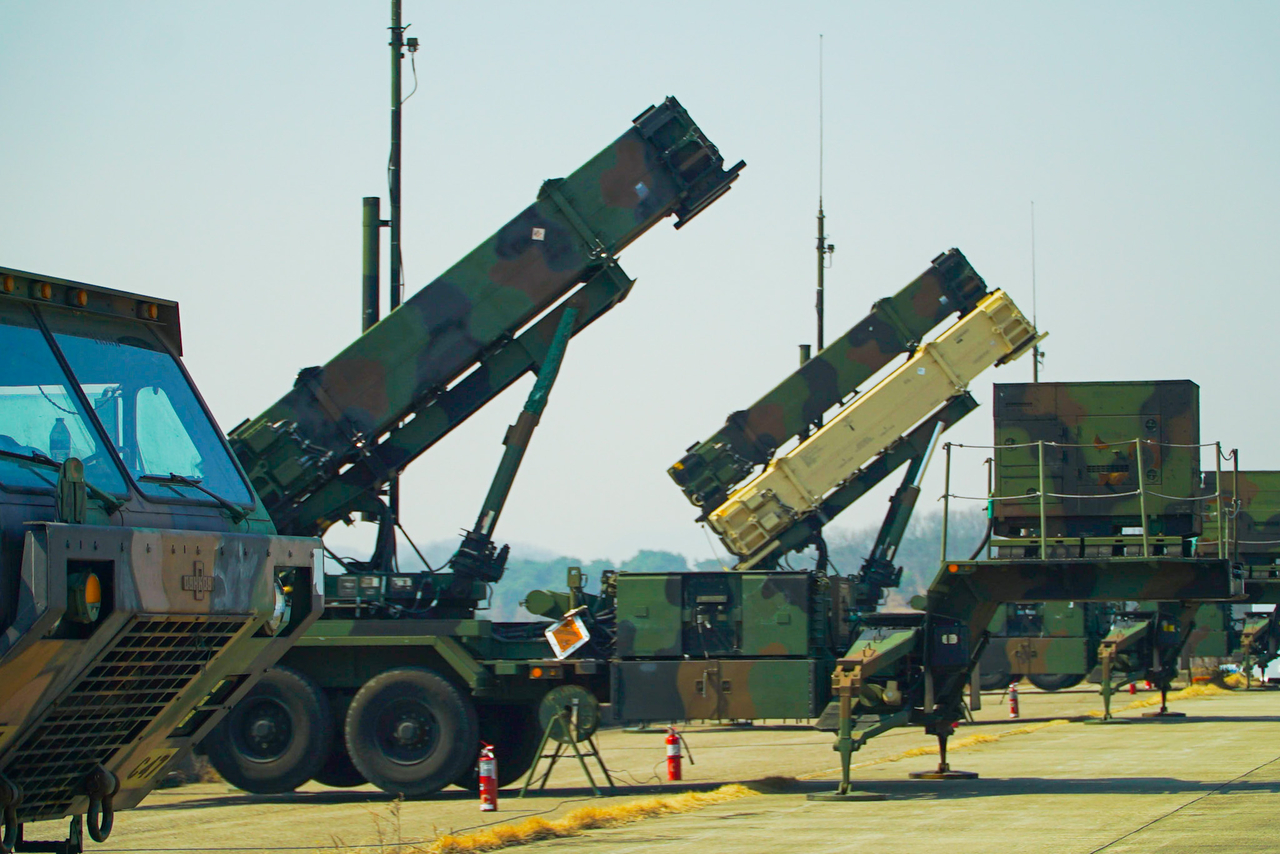
지난해 3월 주한미군이 운용하던 패트리어트(Patriot) 미사일 포대 일부가 중동으로 순환 배치된 바 있다. 해당 부대는 대대급 규모(약 500명)로 알려졌으며, 중동에 배치됐던 전력은 같은 해 10월 말부터 11월 초 사이 한반도로 복귀했다.
당시 전력 조정은 미군이 6월 ‘미드나잇 해머(Operation Midnight Hammer)’ 작전을 통해 이란 핵시설을 타격하기에 앞서, 이란의 보복 가능성에 대비한 조치의 일환으로 해석됐다.
이와 함께 도널드 트럼프 대통령 2기 행정부 출범 이후 미군의 ‘전략적 유연성(strategic flexibility)’ 개념이 다시 주목받으면서, 주한미군 전력이 한반도 밖 작전에 활용되는 것 아니냐는 우려도 재차 제기됐다.
특히 최근 들어 미국의 대외 군사 행보가 보다 적극적인 양상을 보이면서, 주한미군 전력 운용 범위를 둘러싼 우려도 일부에서 나오고 있다.
지난 2월에는 주한미군 F-16 전투기 여러 대가 서해 상공 국제공역에서 훈련 비행을 실시하는 과정에서 중국 전투기가 대응 출격하는 상황이 벌어졌다. 해당 공역은 한국과 중국의 방공식별구역(KADIZ·CADIZ)이 인접한 지역으로, 양측 간 충돌은 없었으나 역내 긴장 관리 필요성이 다시 부각됐다.
당시 미군은 우리 군에 사전 통보했다고 해명했지만, 훈련 목적 등 구체적인 내용은 공개하지 않은 것으로 알려졌다.
한편, 박용한 한국국방연구원(KIDA) 선임연구원은 이번 중동 사태와 관련 주한미군의 대규모 전력 재배치 가능성은 높지 않다고 평가했다.
박 연구원은 “과거에도 순환 배치 개념으로 방공 자산을 일시적으로 이동시키는 사례는 있었지만, 그 경우 전투기 증강 등으로 전체적인 전투력을 유지하는 방식이었다”며 “현 상황이 장기전으로 확대될 가능성은 크지 않아 대규모·장기 재배치로 이어질 가능성은 낮다”고 말했다.
그러면서 “설령 일부 전력 조정이 이뤄지더라도 사후 통보가 아니라 사전에 한국과 긴밀한 협의를 거쳐 진행될 가능성이 크다”고 덧붙였다.
기사 원문:
USFK focused on Korea, US official says amid Middle East redeployment speculation
United States Forces Korea remains focused on the Korean Peninsula, a US Department of Defense official said Tuesday, amid growing speculation that Washington could draw on its overseas assets for potential contingencies in the Middle East involving Iran.
“United States Forces Korea remains focused on maintaining a strong, ready and combat-credible force posture on the Korean Peninsula,” a Department of Defense official said on background in response to an email inquiry from The Korea Herald.
The inquiry asked whether any USFK assets had been redeployed to the Middle East, to which the Department of Defense responded on background through an official.
“The United States remains firmly committed to the defense of the Republic of Korea,” the official added, using South Korea’s formal name.
The official declined, however, to comment on whether any USFK assets had been repositioned to the Middle East.
“For operational security reasons, the Department does not comment on the movement, relocation or potential repositioning of specific military capabilities or assets,” the official said.
The redeployment of USFK assets falls under the United States’ strategic theater-level authority, with the US Department of Defense holding decision-making power. USFK likewise said that decisions regarding redeployment fall under the Department of Defense.
The statement came amid speculations in Seoul that Washington could again draw on USFK assets for contingencies in the Middle East.
In March 2025, some Patriot missile batteries operated by USFK were deployed to the Middle East. The unit, reportedly battalion-sized with around 500 personnel, returned to the Korean Peninsula in late October to early November.
The redeployment at the time was widely viewed as part of broader US force adjustments preceding heightened military activity in the region, including US strikes on Iranian nuclear facilities in June under Operation Midnight Hammer.
The issue has resurfaced alongside renewed debate over Washington’s concept of “strategic flexibility” — under which US forces stationed in South Korea may be utilized for operations beyond the Korean Peninsula — a notion that has drawn attention under the second term of US President Donald Trump.
Recent developments also drew notice after several USFK F-16 fighter jets conducted a training flight over international waters in the Yellow Sea last month.
The aircraft, which departed from Osan Air Base in Pyeongtaek, Gyeonggi Province, reportedly operated near overlapping air defense identification zones of South Korea and China, prompting China to dispatch its own fighter jets. No confrontation occurred.
At the time, military sources said USFK notified South Korean authorities in advance of the drill, but did not elaborate publicly on operational details.
Separately, Park Yong-han, an associate research fellow at the Korea Institute for Defense Analyses, downplayed the likelihood of a significant redeployment this time.
“In the past, there were rotational deployments. When air defense assets were temporarily relocated, other capabilities such as additional fighter aircraft were brought in to maintain overall combat readiness,” Park said.
“Given that the current situation is unlikely to escalate into a prolonged conflict, a large-scale or long-term redeployment appears improbable.”
Park added that even if some level of force adjustment were to occur, it would likely be carried out in close consultation with South Korea in advance, rather than through a post facto notification.
flylikekite@heraldcorp.com