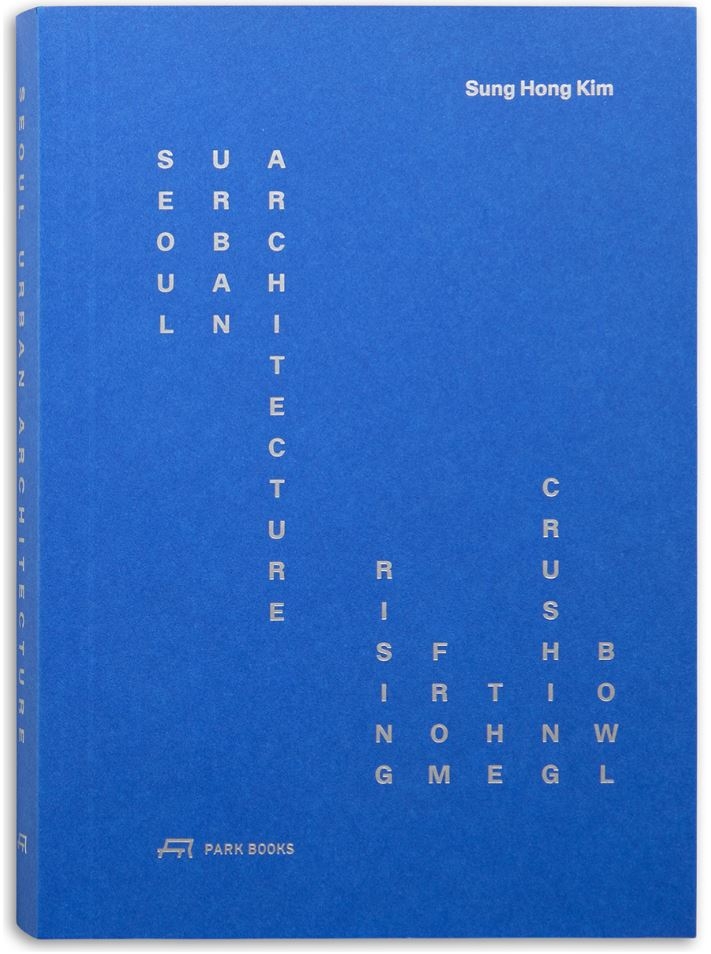
“Seoul Urban Architecture: Rising from the Crushing Bowl”
By Kim Sung-hong
Park Books
Seoul and its architecture may feel familiar to those who have lived in the Korean capital, but conversations about the city often revolve around real estate — a dominant topic that has come to define Seoul in recent decades.
Nonetheless the time has come to look back on how the city has taken shape, and how its architectural trajectory might be understood beyond the logic of property values.
In “Seoul Urban Architecture: Rising From the Crushing Bowl,” architect and scholar Kim Sung-hong challenges prevailing assumptions about the city, moving beyond market-driven narratives to examine the historical and social factors that have shaped Seoul’s urban landscape today.
“An early metaphor that came to me was that if architecture is an actor, then the city is the stage upon which the actor performs,” Kim writes in the preface. "Schools of architecture all over the world teach a lot about actors, but very little about the stage."
Written in English, the book offers a rare attempt to synthesize over six centuries of Seoul’s urban history for an international readership.
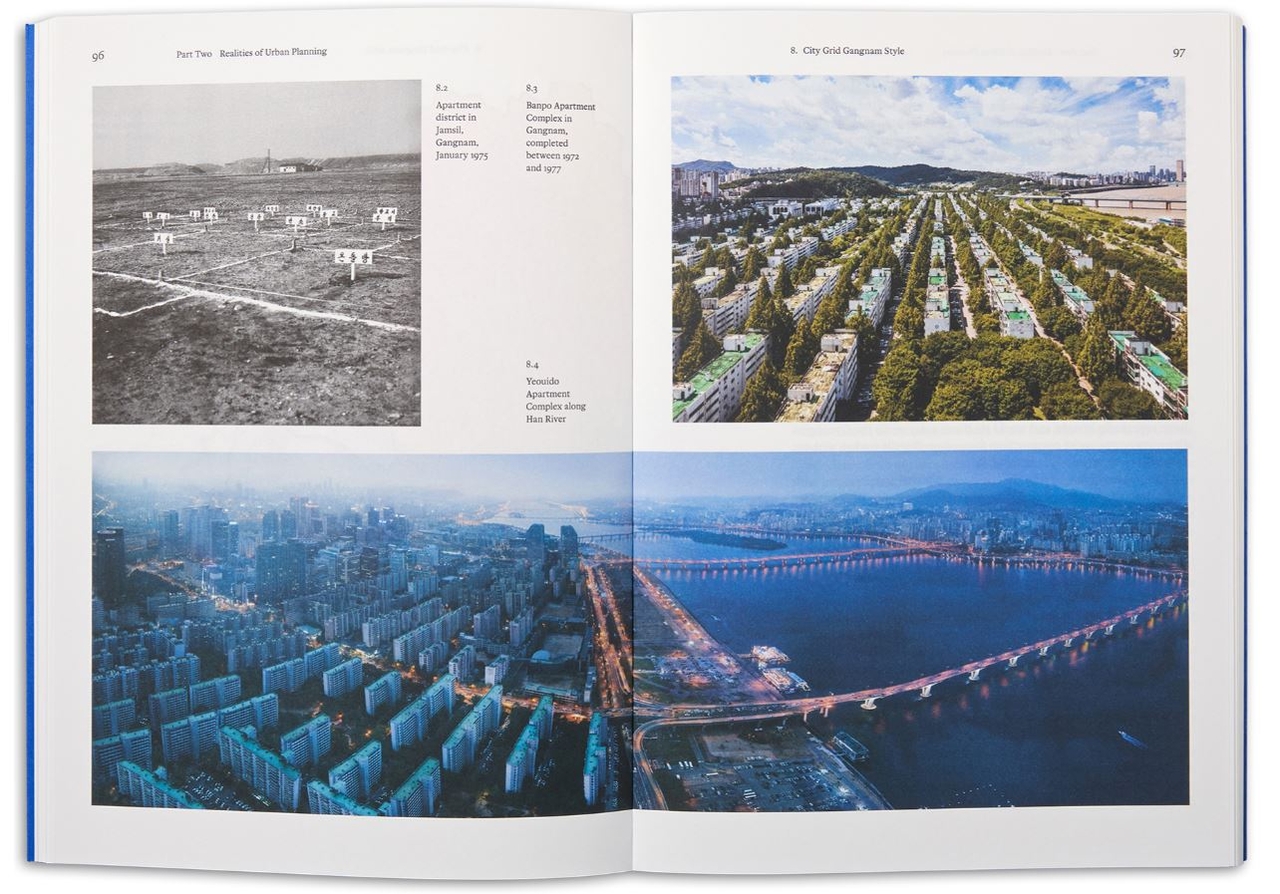
Although categorized as an architecture book, it devotes considerable space to historical narratives, tracing how Seoul has evolved over centuries through cycles of destruction and reconstruction — the very idea behind the book’s subtitle, “Rising from the Crushing Bowl.”
The 336-page book opens with a historical overview of Seoul from the late 14th century, examining how the city became the capital in the Joseon era (1392–1910), changes imposed during Japanese colonial rule (1910–1945) and the devastation of the Korean War (1950–1953), before looking at how Seoul rebuilt itself into the city it is today.
Moving beyond historical developments, the author turns to the question of the city’s “architectural identity” and reflects on how Korean architects have long struggled to define meaning and identity within their work.
He also revisits the notion of “Korean modernism,” and its complexity, noting that the term “modern” is inseparable from the collapse of the Joseon era and the experience of colonization.
The first generation of Korean architects, he contends, sought to rediscover the essence of Korean architecture within precolonial building traditions, even as the state lacked a comprehensive policy framework that considered the cultural dimensions of architecture.
Kim addresses the postwar construction boom that reshaped the nation’s urban landscape, as Korea’s real estate-driven development accelerated in tandem with the rapid proliferation of apartment complexes led by major construction firms.
Today, he suggests, a fourth generation of architects operates with greater freedom — no longer burdened by the search for historical origins or overarching national narratives.
The challenges they confront, Kim notes, are increasingly aligned with those faced by their contemporaries around the world.
Kim closes the book with 13 projects by fourth-generation architects, showing how they interpret Seoul’s unique constraints and conditions in their own way.
Kim is professor emeritus of architecture and urbanism at the University of Seoul.
yunapark@heraldcorp.com