Agoda’s North Asia director says new Korean getaways favor hidden corners over shopping districts
For Korean travelers, distance is measured not only in miles, but in vacation days.
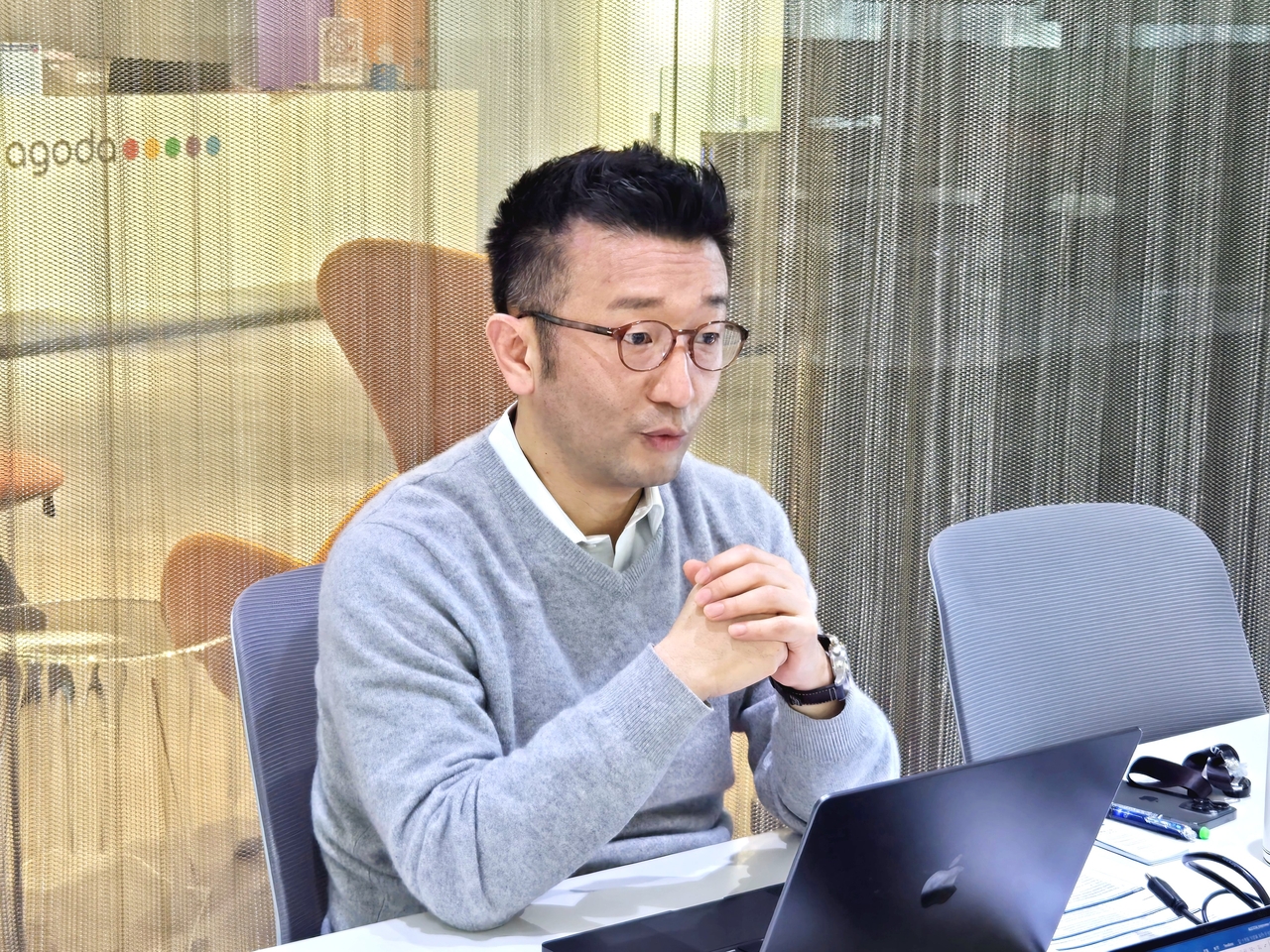
“Usually, Korean travelers travel for about four to seven days,” said Jay Lee, regional director for North Asia at Agoda, in an interview with The Korea Herald on Wednesday. “They don’t want to go someplace that’s too far and spend one day going and one day coming. Proximity is an important piece.”
That practical calculation continues to shape outbound travel patterns in 2026. Short-haul destinations dominate: Tokyo remains the top overseas city for Koreans, followed by Bangkok, Osaka, Kuala Lumpur and Taipei. Even Australia recently broke into the top 10, aided by expanded direct routes and streamlined booking options.
Still, proximity does not mean predictability. According to Lee, Korean travelers are moving beyond checklist tourism. “Before, it was like, we’ll go to Hong Kong for Disneyland, and a million people go,” he said. Now, more travelers are exploring lesser-known neighborhoods and secondary cities, often guided by AI searches and social media recommendations.
The shift is less about shopping and more about immersion. Instead of spending an entire day in Ginza, visitors to Japan are venturing outside central Tokyo to line up at a local restaurant discovered online. “They line up for a few minutes and have a good meal,” Lee said. “That’s almost the same level of satisfaction.”
Weekend cross-border trips are also increasingly common. Between Seoul and Tokyo, some travelers fly out in the morning and return the same night. The regional connectivity reflects broader mobility in North Asia, where cultural familiarity and efficient infrastructure make spontaneous travel easier.
At the same time, domestic travel in Korea is seeing renewed momentum. Nearly 50 percent of Koreans surveyed indicated plans to increase domestic trips this year, a sharp rise from previous years. Busan, in particular, has emerged as a standout. After Agoda signed a partnership agreement with the city, searches for Busan rose 22 percent, Lee said.
For foreign visitors, Lee recommends looking beyond Seoul. Busan offers a rare mix of mountains, beaches and urban energy, paired with strong public transportation and affordability. Sokcho in Gangwon Province, another favorite, provides access to Seoraksan’s waterfalls and hiking trails and is close enough for a day trip from the capital.
Price sensitivity remains a defining trait of Korean travelers. About half of those surveyed plan to book accomodations in the $50 to $100 range, according to Agoda data, reflecting a strong value orientation. “Koreans are very savvy about pricing,” Lee said. While luxury demand exists, many travelers prioritize location and experience over lavish rooms they occupy only at night.
Technology is playing a growing role in that decision-making. Agoda’s platform integrates flights, accommodations and activities, while AI-driven recommendations tailor search results to individual preferences. “When you look at the Agoda app and I look at it, it’s going to have a different list of places,” Lee said. The goal, he added, is to make personalization seamless, regardless of age or tech literacy.
For Lee personally, travel is less about beaches and more about cities. A self-described “metro person,” he prefers wandering through museums, hopping on subways and discovering neighborhoods alone. Over time, his philosophy has evolved beyond business itineraries and hotel bookings.
“Travel does a lot of good things,” he said. “It breaks the wall.”
yoohong@heraldcorp.com






![[인터뷰] 구글 지도 반출 19년 교착…"막힌 건 안보가 아니라 수익성"](https://wimg.heraldcorp.com/news/cms/2026/02/13/news-p.v1.20260212.a1df6a111ac343629a0e9335485a7a2f_T1.jpeg?type=h&h=240)