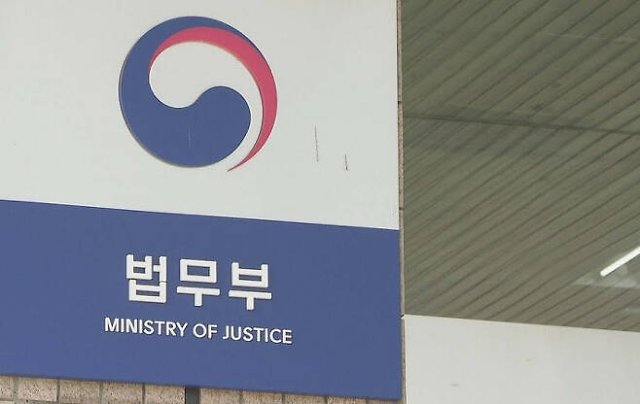
The Ministry of Justice said Wednesday that it decided in October 2025 to stop issuing visas to international students participating in employment-residency programs before the age of 19.
The ministry said it had consulted with education authorities and related institutions from May 2025 before finalizing the decision in October and notifying local education offices.
The ministry added that it suspended the program after previous policies allowing minors to enter the country under employment-linked schemes drew criticism from child-rights advocates. Korea legally defines adults as those aged 19 and older.
Officials cited concerns that misleading recruitment pitches promising future jobs in Korea had enabled illegal brokers to enter the student admissions process.
The ministry also warned that such programs could infringe on minors’ right to self-determination in education and labor decisions, noting that underage students studying abroad without family oversight face greater vulnerability.
It added that risks including coercion, deception, forced labor and family separation had been identified, warning that some practices could fall within the scope of South Korea’s Anti-Trafficking Act.
“These issues have raised concerns within the international community regarding potential violations of child rights and human rights under the UN Convention on the Rights of the Child and International Labour Organization conventions,” the ministry said.
The announcement follows expressions of regret from the Jeollanamdo Office of Education over visa refusals for 45 international students who enrolled at Jeonnam Future International High School ahead of the new semester.
The provincial education office said the visa denials, issued one week before the start of classes, directly disrupted preparations for both students and the school, citing the lack of prior notice or a grace period.
Jeonnam Future International High School is a newly established public school — the nation’s first vocational-education-focused alternative school designed to accommodate both students from migrant backgrounds and international students.
The Justice Ministry rejected the criticism, saying it had consistently raised concerns and kept education authorities informed of its policy direction.
Officials said a consultation meeting with local education offices was held in June. The ministry also noted that the National Human Rights Commission of Korea had previously recommended institutional improvements to the Education Ministry and regional offices.
“Despite the government’s recognition of these policy concerns last year and its decision to suspend visa issuance starting October 2025, some regional education offices continued recruiting minors as international students and submitting visa applications,” the ministry said.
seungku99@heraldcorp.com