Gov't moves to end unfair pricing that taints Korea's image and discourages repeat visits
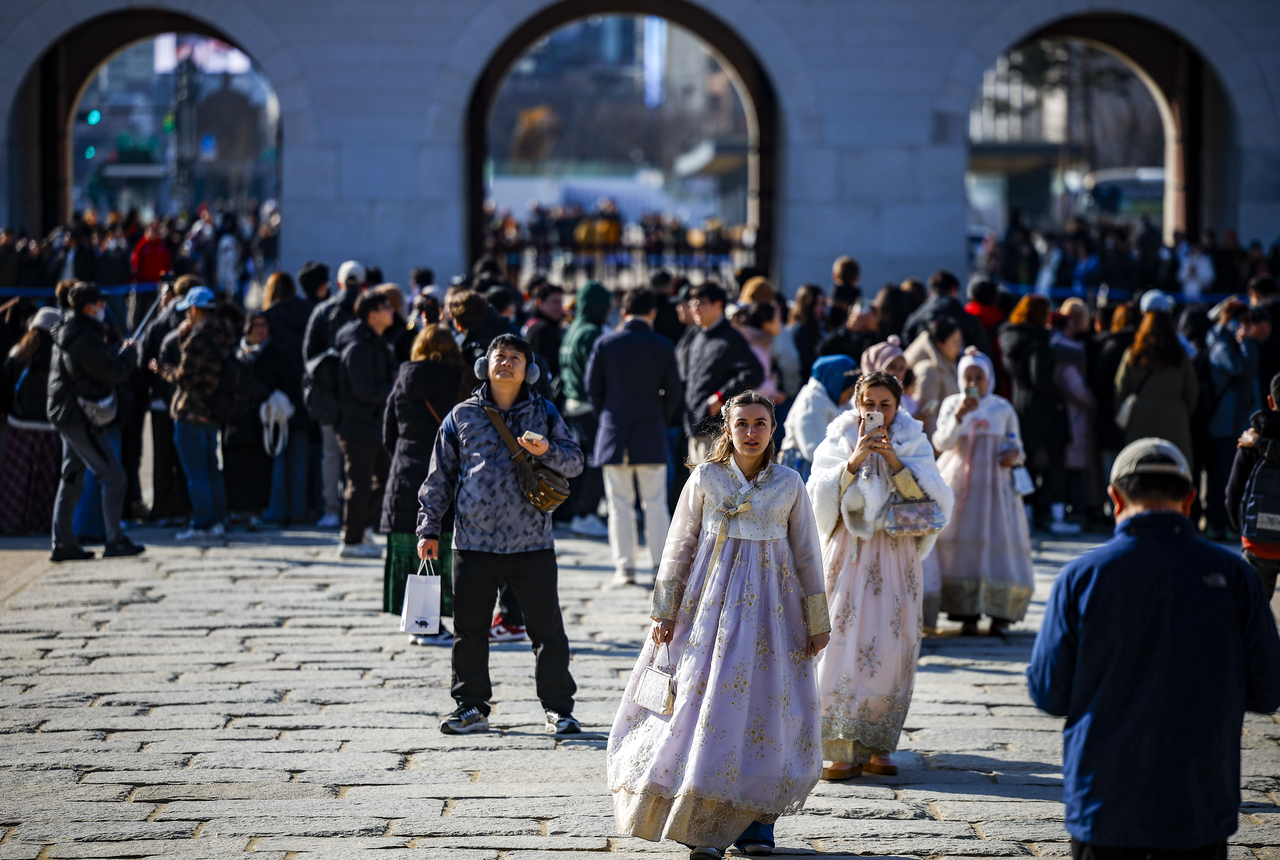
South Korea on Wednesday signaled a shift away from a visitor-volume strategy, unveiling measures to encourage repeat visits by tackling price gouging and unfair practices affecting international travelers.
The initiative reflects growing concern that negative first impressions — ranging from inflated hotel rates to taxi overcharges — could undermine the country’s rising global appeal through K-pop, film and streaming content. Policymakers say improving visitor experience has become as important as promotion itself as Korea seeks sustainable tourism growth.
“Looking at users of the Tourism Complaint Center, the majority are foreign visitors,” Kang Jung-won, Culture Ministry’s tourism policy office chief, told reporters Tuesday, a day before a presidential meeting on tourism-boosting strategies. “Most complaints involve unfair taxi fares, followed by accommodation issues, particularly during major idol performances.”
Authorities are also moving to end so-called unilateral cancellations, in which hotels cancel confirmed reservations and relist rooms at higher prices during large events. A recent Fair Trade Commission study found that ahead of a BTS concert scheduled for June, average hotel rates in Busan had already risen 2.4 times above normal levels, with some motels increasing prices from 100,000 won to as much as 750,000 won ($70 to $520) per night. Repeat offenders engaging in such practices could face business shutdowns under the new rules.
The government’s enforcement drive extends beyond lodging. Taxi drivers caught overcharging passengers will face an immediate 30-day license suspension even on a first offense, part of a strengthened “three-strikes” system that can lead to permanent license revocation.
Street food vendors and small restaurants will also come under tighter oversight through an expanded “Real-Name Stall System,” requiring clear price displays to prevent tourists from being charged more than local customers. In Jeju’s car rental market, authorities plan to introduce a “maximum discount limit” to curb misleading promotions in which companies inflate base prices before advertising steep discounts that confuse international travelers.
Officials said related legislative revisions will be fast-tracked in the first half of the year to stabilize market practices ahead of major global events and growing inbound demand.
The push, however, is intended to go beyond any single concert or tourism boom. President Lee Jae Myung has framed the effort as part of a longer-term strategy to convert first-time visitors drawn by Korean cultural content into repeat travelers exploring regions outside the capital.
“If tourists return to Korea, they will naturally seek new destinations beyond familiar locations,” Lee said during a National Tourism Strategy Meeting at Cheong Wa Dae on Wednesday.
The Ministry of Culture, Sports and Tourism increased its 2026 tourism goal to 23 million visitors, an ambitious 21.4 percent increase from 18.94 million recorded last year.
gypark@heraldcorp.com