Elite athletes train not just their bodies, but their mental and emotional bandwidth. A workplace performance expert says modern offices should do the same.

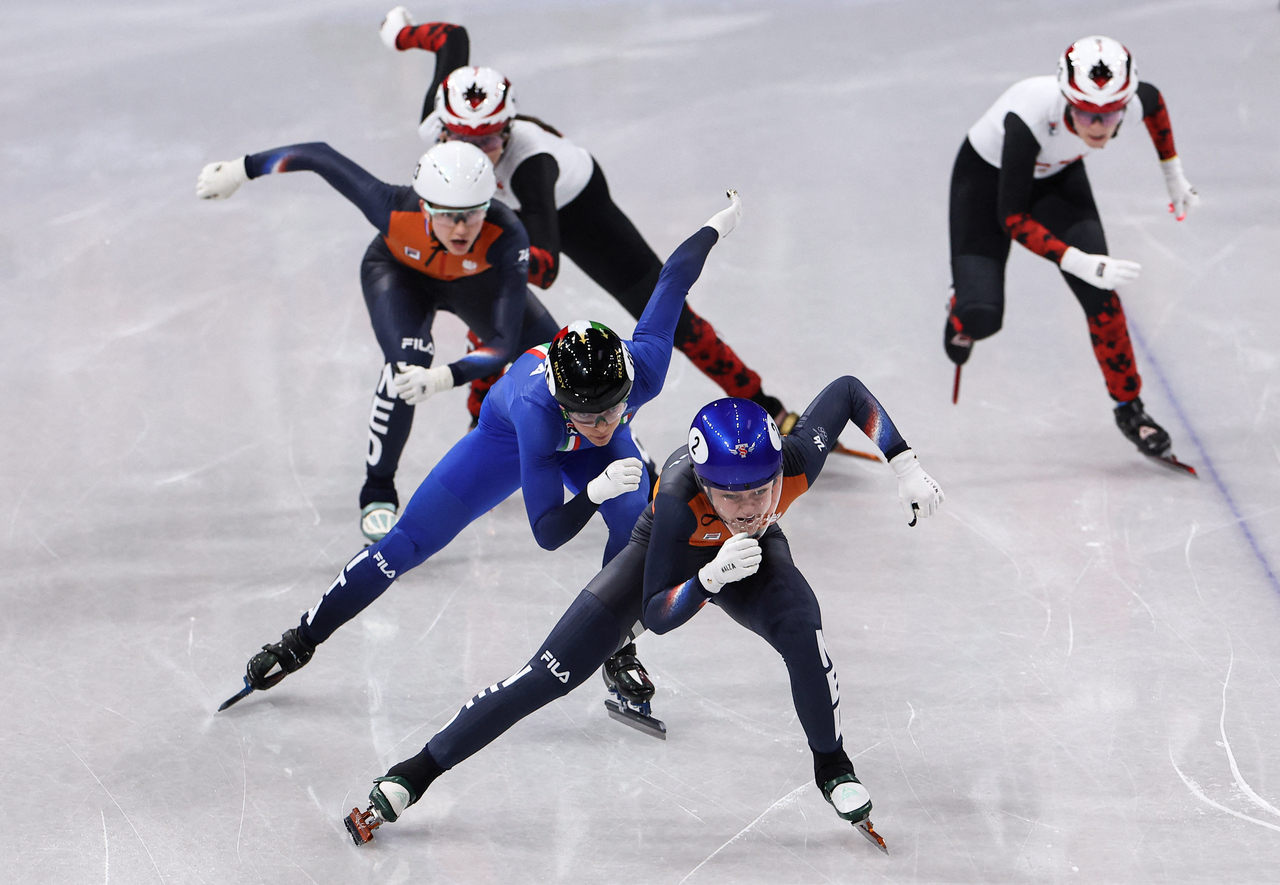
At the Winter Olympics, where medals are decided by tenths of a second and the difference between the podium and just off it can hinge on a single edge or landing, the competition is not only physical. It is cognitive and emotional.
Athletes are navigating not only slippery courses and triple rotations, but also the quiet churn of memory — the crash last season, the near miss, the doubt that resurfaces from time to time.
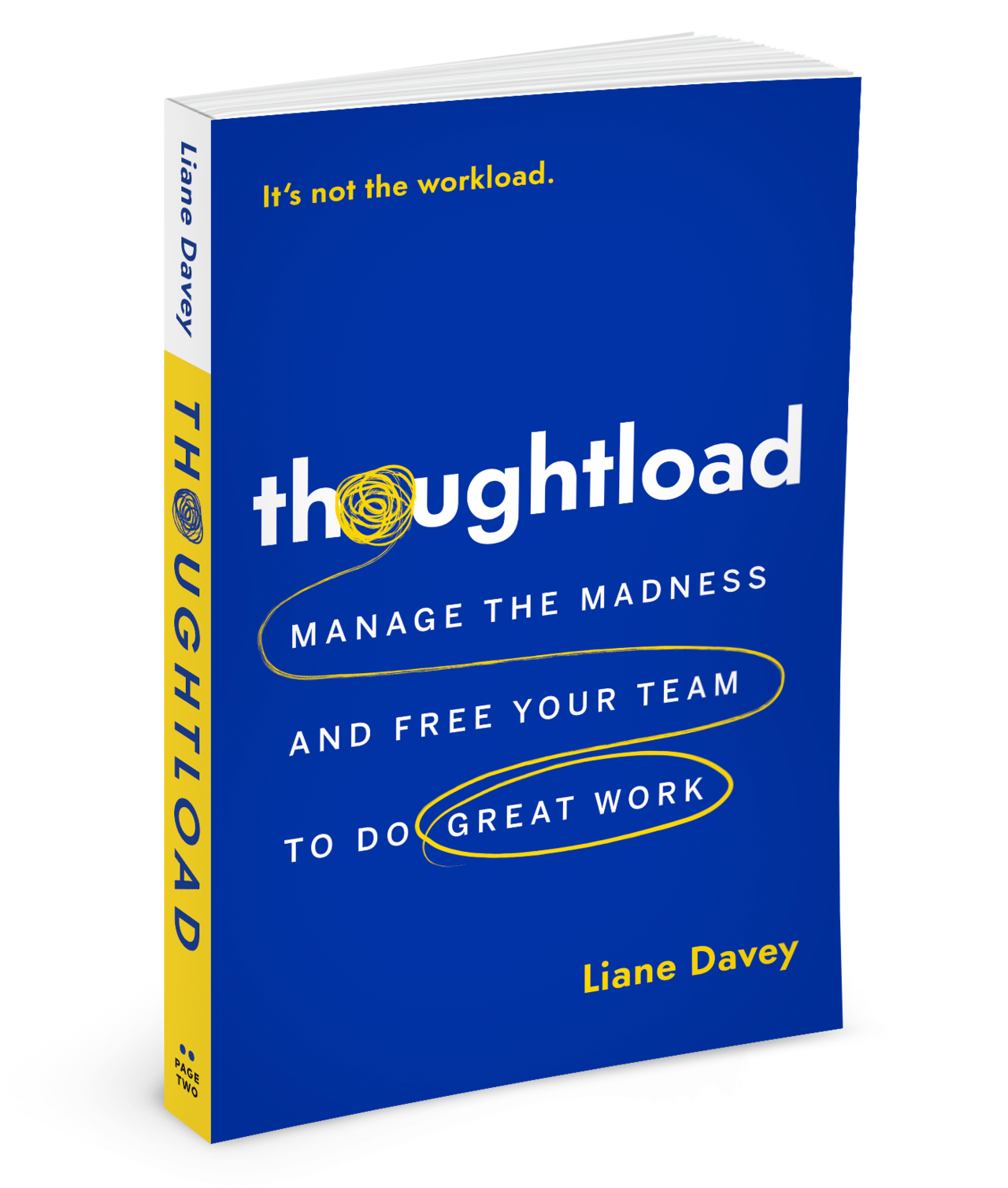
This is what Liane Davey, a team effectiveness adviser and New York Times bestselling author, calls “thoughtload.”
Davey, the author of “You First: Inspire Your Team to Grow Up, Get Along and Get Stuff Done" and "The Good Fight," has spent more than 25 years researching and advising teams on performance. Her next book, “Thoughtload,” will be published in May.
“Thoughtload is the overall tax on your performance that comes from when you try to carry heavy cognitive demands and emotional burdens with depleted energy reserves,” Davey said in a written interview with The Korea Herald.
In an Olympic context, she explains, that cognitive and emotional weight accumulates quickly.
A cross-country skier must account for snow conditions and how they affect equipment choices. A downhill racer mentally visualizes every turn and glide path needed to maximize speed.
But performance preparation is only part of the mental ledger. There are media interviews to manage, drug-testing protocols to follow and the unspoken calculus of how these Games might shape future sponsorship deals -- all while navigating jet lag, communal living and tightly packed practice schedules negotiated around dozens of other competitors.
For athletes in team events, the mental load multiplies. They cannot focus exclusively on their own thoughtload as they must also remain attuned to that of their teammates.
Nerves and anxiety are natural, Davey said, but they must be “channeled into beneficial energy rather than allowing them to detract from focus and excellence.” Olympians often wrestle with nagging doubts or unsettling memories of past performances, including crashes, falls or moments they fell short.
How ruthlessly an athlete manages that thoughtload — removing distractions, processing emotions and conserving energy so that everything is laser-focused on performance — can determine the difference between gold and a fourth-place finish, according to Davey.
“When the difference between gold and a fourth-place finish off the podium can come down to tenths of a second, there is no room for thoughtload to be detracting from your focus on performance,” she said.
From podium to office
If Olympic sport is an extreme laboratory of performance, the workplace may be its everyday counterpart — only with blurrier rules.
“The most important difference is that athletes have clear, objective definitions of what success looks like and one clear priority at a time,” Davey said.
By contrast, many employees today are juggling multiple, often competing demands, with little clarity on what outcomes they need to achieve and a steady stream of low-value interruptions.
Another divergence lies in how emotions are treated. Davey points out that elite athletes and their coaches integrate emotional management into training.
“(But) our workplace cultures still mostly adhere to the erroneous idea that emotions are unprofessional and don’t belong in the workplace,” she said, adding that when we try to deny or invalidate human emotional experiences, they interfere with performance (creativity, collaboration and productivity) in ways we cannot predict.
There is also the matter of work-life balance. Athletes structure their schedules around cycles of exertion and recovery in ways that optimize performance. Modern offices, she noted, often reward “constant responsiveness,” even though research suggests productivity drops sharply beyond roughly 50 hours a week.
“We have a lot to learn if we want to create an environment for high performance,” she said.
Drawing on Olympians’ performance-oriented mindsets, Davey recommends starting by defining what a gold medal performance would look like in your role.
“Consider the unique value of your role and the most important outcome you’re trying to accomplish.”
That outcome might be increasing foot traffic in a retail store by 10 percent, reducing accounts receivable to $5 million, or improving client satisfaction scores among first-time buyers.
Once you’re clear on the outcome, she said, the next step is to align your time and attention accordingly. Audit everything else in your week relative to that goal. Budget how much time will go toward your primary objective and how much you will allocate to other tasks. Ask your manager for help delaying or delegating tasks that detract from your most important goals.
“Focusing your attention on the most essential activities is the first step in managing your thoughtload,” she said.

hwangdh@heraldcorp.com






![[인터뷰] 구글 지도 반출 19년 교착…"막힌 건 안보가 아니라 수익성"](https://wimg.heraldcorp.com/news/cms/2026/02/13/news-p.v1.20260212.a1df6a111ac343629a0e9335485a7a2f_T1.jpeg?type=h&h=240)