The Rev. So Kang-suk on his mission to bring Korean War veterans home to the country they saved, heal people with poetry
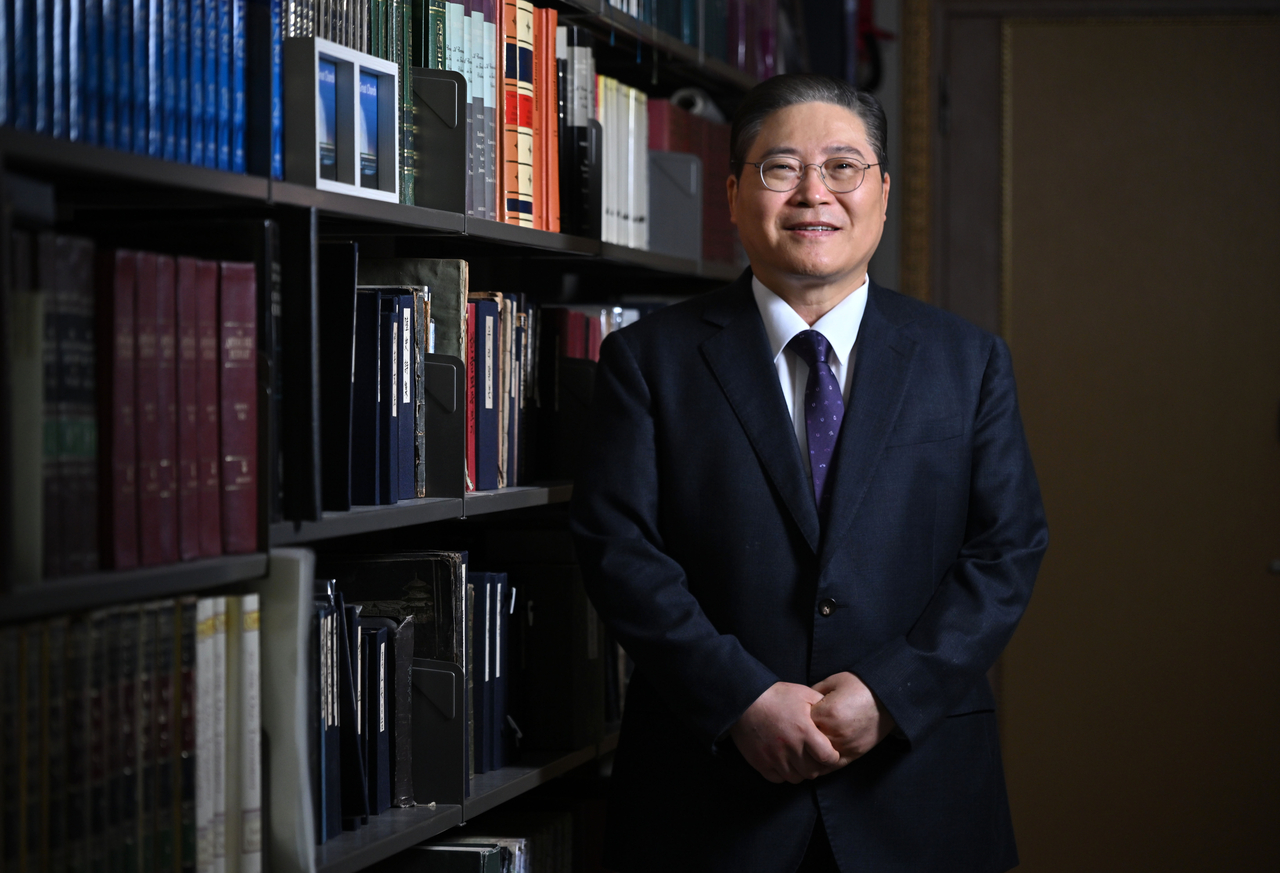
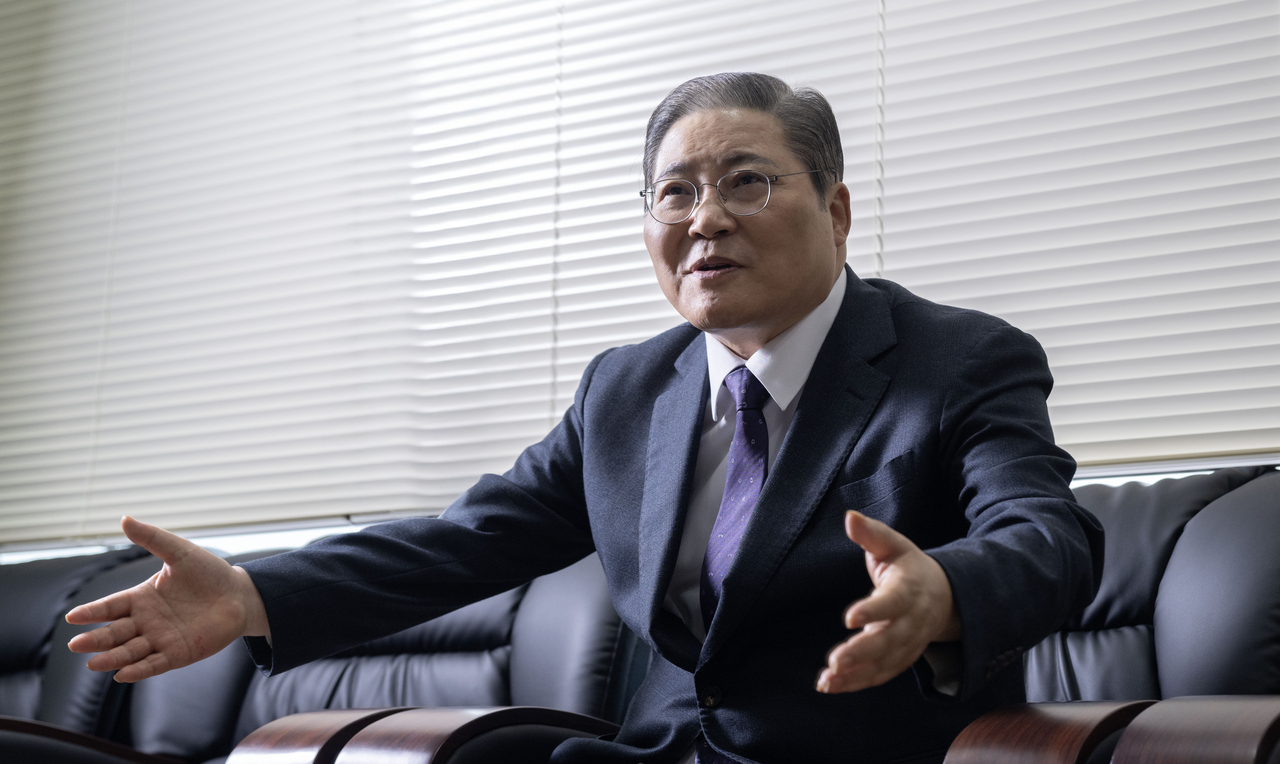
For the Rev. So Kang-suk, the senior pastor of The Sae Eden Presbyterian Church in Yongin, Gyeonggi Province, a sermon is not merely a speech; it is a meticulous act of spiritual craftsmanship.
Also a poet, So believes that a message delivered without "soul" or "sincerity" cannot move the human spirit. This philosophy is evident in his preparation: he often rewrites his sermon manuscripts more than 20 times.
"If there is no soul or sincerity in the words, how can they move the souls of the people?" So remarked in a recent interview with The Korea Herald. Comparing his work to the investment required for a blockbuster movie, he argues that spiritual messages demand even more creative energy and devotion. This focus on detailed preparation has accompanied both the growth of the Sae Eden Church and a 20-year series of humanitarian and diplomatic initiatives.
The most defining "public square" ministry of So’s career is the Sae Eden Church’s annual invitational event for veterans of the Korean War. The now historic initiative began with a single, emotional encounter in Los Angeles in 2007.
While attending an event for the Martin Luther King Jr. International Peace Award, So was approached by a Black veteran named Riddick Nathaniel James. The old soldier showed So the gunshot scars on his waist and tearfully spoke of names like "Uijeongbu" and "Suwon." He expressed a deep longing to see the Korea he had fought for, but lacked the financial means to return.
So knelt on the carpeted floor and made a deep, traditional bow to the veteran. He promised right then to invite him to Korea. "I thought he might bring five or six friends," So recalls. "He brought fifty."
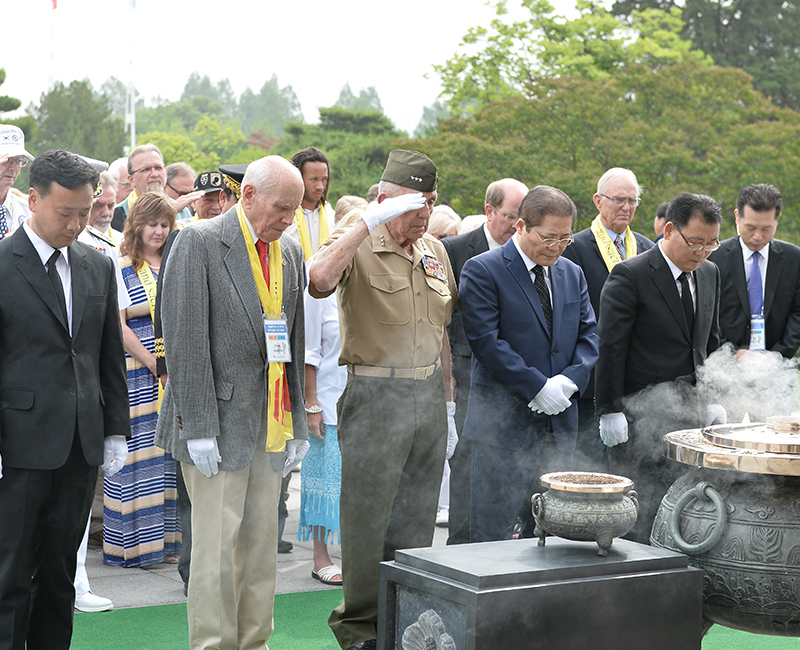
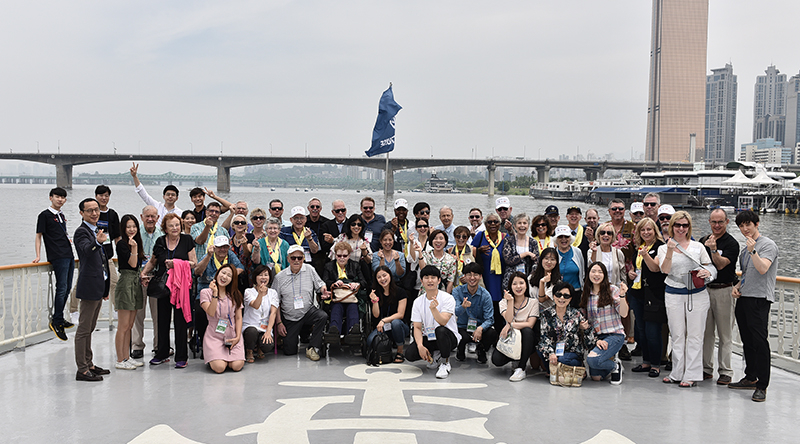
Since that first trip, the Sae Eden Church has hosted the largest private-sector program for Korean War veterans. Over nearly 20 years, the church has invested more than 10 billion won ($7.5 million), funded entirely by donations from its congregation. They have invited approximately 7,300 veterans and their families from eight nations, including the US, Canada, Ethiopia and Thailand.
The initial program included a six-day invitational program designed to honor veterans through a high-level "utmost respect" protocol, including luxury accommodations and one-on-one support from English-speaking youth volunteers who serve as personal companions.
The itinerary serves a dual purpose: remembrance and celebration. Veterans visited the DMZ and the National Cemetery to honor fallen comrades, but they also took Han River cruises and visited Samsung Electronics to witness the "Miracle on the Han River." Seeing the prosperous, So says, high-tech nation that rose from the ashes they once defended provides these veterans with a profound sense of closure and pride.
Since the COVID-19 pandemic, however, the church has started visiting them due to the veterans' aging.
As the 20th anniversary of the veterans' program approaches in 2026, the church is preparing a special commemorative concert in Washington DC and has intensified efforts to visit veterans' hospitals in Korea.
"They are becoming increasingly frail due to age, but I want to continue this mission as long as even a single veteran remains with us," the 63-year-old pastor said.
Poetry for social healing
Beyond his diplomatic efforts, So is a distinguished poet who views language as a tool for restoring moral value. In an era he describes as being polluted by "fake news," "toxic political rhetoric" and "digital parasites," So labeled poetry "laundry for the soul."
"The language of poetry is the language of love," So explains. "One cannot write poetry with a heart full of hatred or malice." He believes that as people drift away from literature and toward the rapid-fire consumption of social media, they lose their "inner immunity" to extremism. For So, poetry and by extension, the Bible, which he considers the pinnacle of poetic literature, restores human dignity and fosters reconciliation.
He has written over 100 poems centered on biblical figures and is currently working on a series depicting the life of Jesus. His goal is to use these "literary templates" to bridge the gap between the church and a secular society that has grown skeptical of organized religion.
Vision for unity, reconciliation
Acknowledging the modern shift toward self-reliance, where people increasingly depend on artificial intelligence and autonomous living rather than divine guidance, he said the trend is a phase. "The human soul’s deep-seated yearning for God ensures that religion remains a vital necessity, as people will inevitably seek the divine for ultimate meaning and comfort in times of crisis," he said.
Despite the massive size of his church — about 50,000 — and his own influence after having served as the leader of the Communion of Churches in Korea, So remains cautious about the "over-politicization" of church messages. He warns against "left-wing" or "right-wing" religious teachings that tie themselves to political power, arguing that the church’s true role is to be a "center" for bringing people together.
This commitment to unity is increasingly important as South Korea becomes a more multicultural society. Recognizing the "global community" as a core mission, So's church provides simultaneous interpretation in four languages to ensure all members feel a sense of belonging. By embracing this diverse future and adhering to the principle of "Honoring Heaven and Loving People," So said, he envisions the church moving beyond historical divisions to become a true hub for social reconciliation.
gypark@heraldcorp.com