A decade after their breakout, actor and director reunite for a family melodrama that's more schmaltz than soul
Everyone knows actor Choi Woo-shik from the Oscar-sweeping sensation "Parasite." His Ki-woo was the crafty son who hatched the scheme, the one whose poker-faced ambition kept the grift rolling even as things began to fall apart.
But every success story has to start somewhere. The actor had cut his teeth in smaller productions long before he blew up globally, and indie heads here will tell you the 2014 film "Set Me Free" was his true breakthrough.
Directed by first-time director Kim Tae-yong (not to be confused with the other Kim Tae-yong, who helmed "Late Autumn" and "Wonderland"), the unsparing character study cast Choi as a teenage orphan, all simmering desperation and rage beneath a placid surface.
It was a career-making moment for both the director and the actor, one that swept multiple year-end awards and announced the arrival of a fresh new voice in Korean cinema. Choi has said on record, multiple times, that the work literally changed his life.
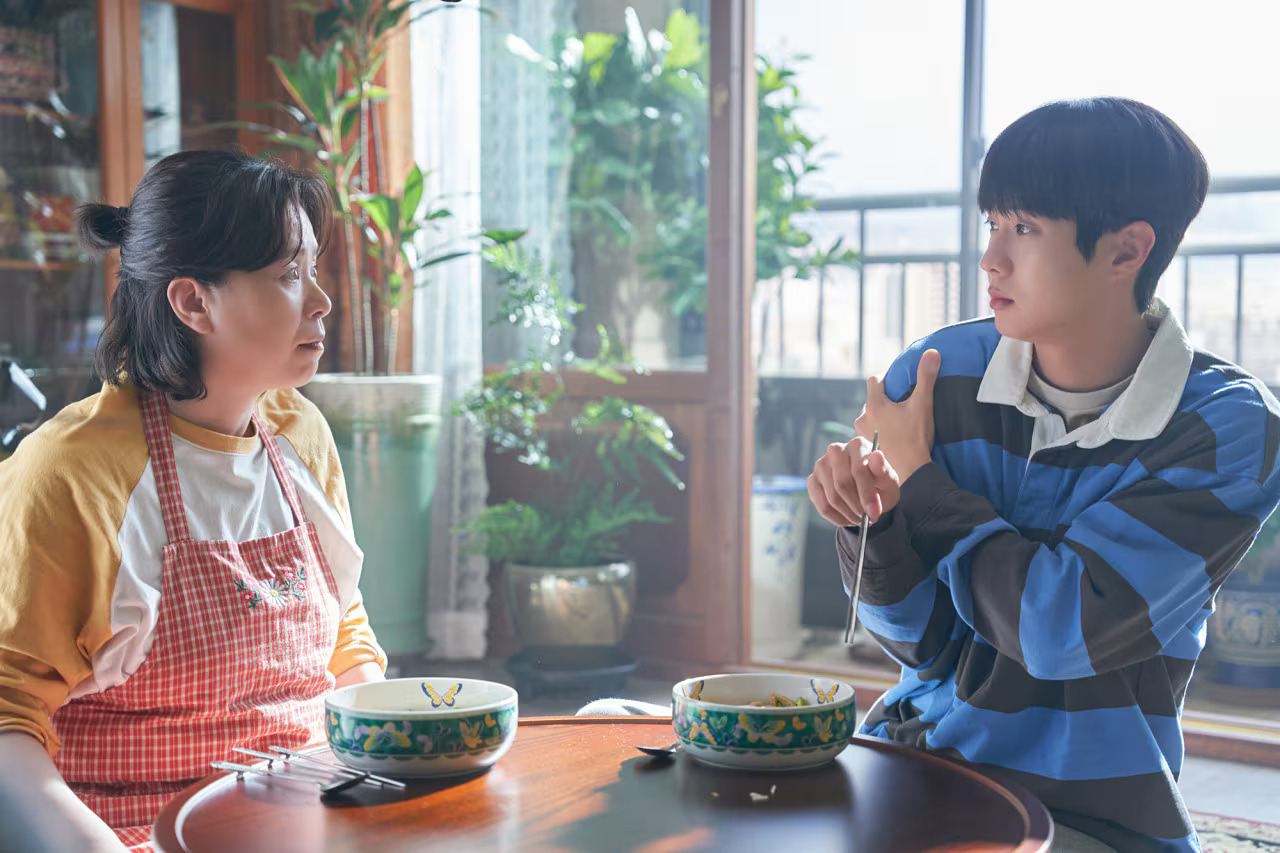
Now, more than a decade on, the pair are back together for the upcoming "Number One." If you expected another slice of raw-nerve realism in the vein of "Set Me Free," this one is anything but. "Number One" is a family drama that plays it painfully safe, with little to set it apart other than its fairy-tale conceit at the core: Choi's Ha-min starts seeing mysterious numbers floating in the air that drop by one every time he eats a meal his mom has cooked. His late father appears in a dream to tell him what it's all supposed to mean: When the count hits zero, the mom dies.
The change of course is a puzzling one, practically a wholesale reversal of what the director had built his name on. Kim was never the man for heartwarming family fare; if anything, he was known for his knack for the dark and unsettling. After "Set Me Free," his follow-up "Misbehavior" was a taut psychological thriller about two high-school teachers locked in escalating rivalry, each transgression nastier than the last.
One can only wonder what happened, and Kim had a ready answer.
"I've gone from ballad singer to dance musician," Kim joked at Thursday's press conference at CGV Yongsan in Seoul, joined by Choi and co-stars Jang Hye-jin and Gong Seung-yeon. "My earlier stuff came out of my twenties. This one is me at forty. I've grown a lot as a person."
He spoke of wanting to make something that might offer comfort rather than spectacle. "I hope this isn't just something that passes before your eyes, but something that stays in your heart."
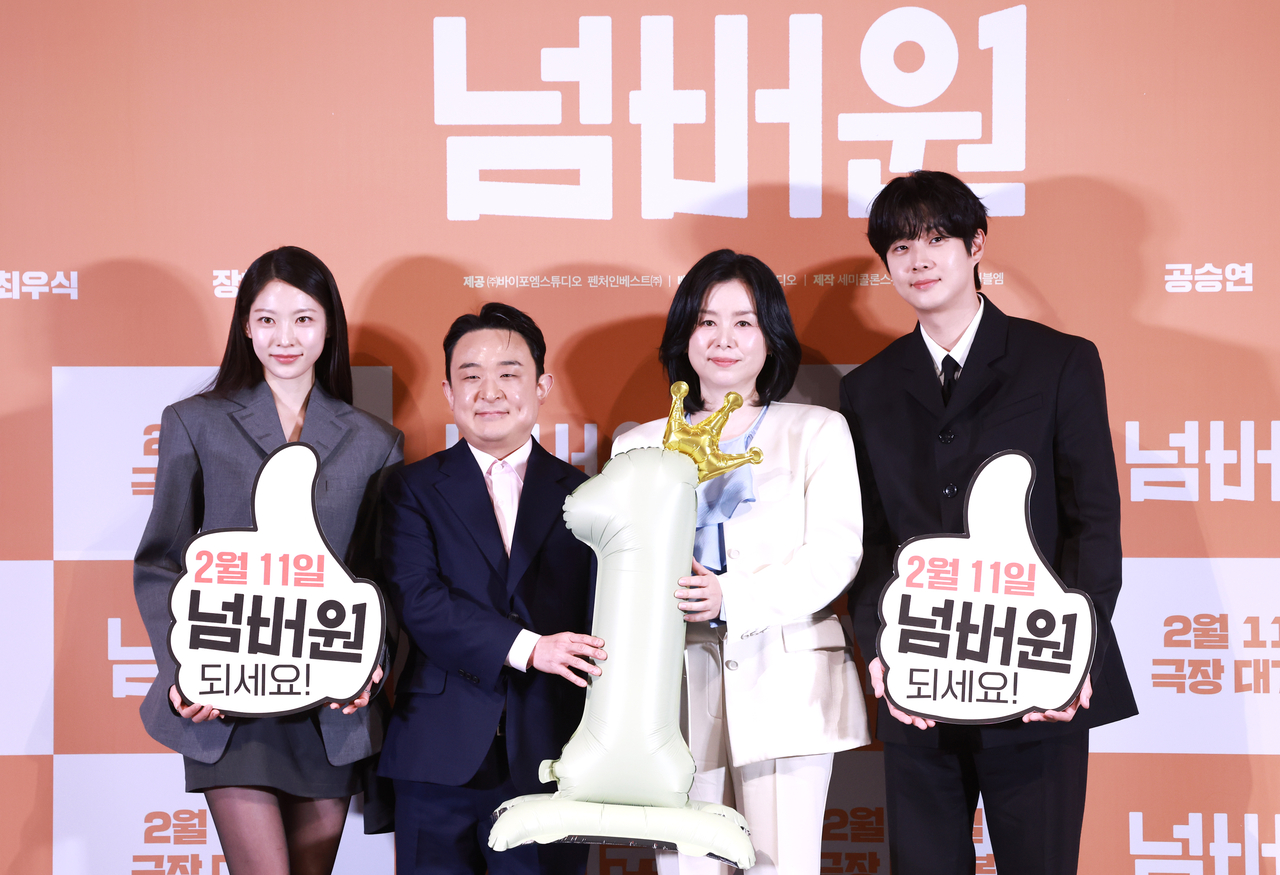
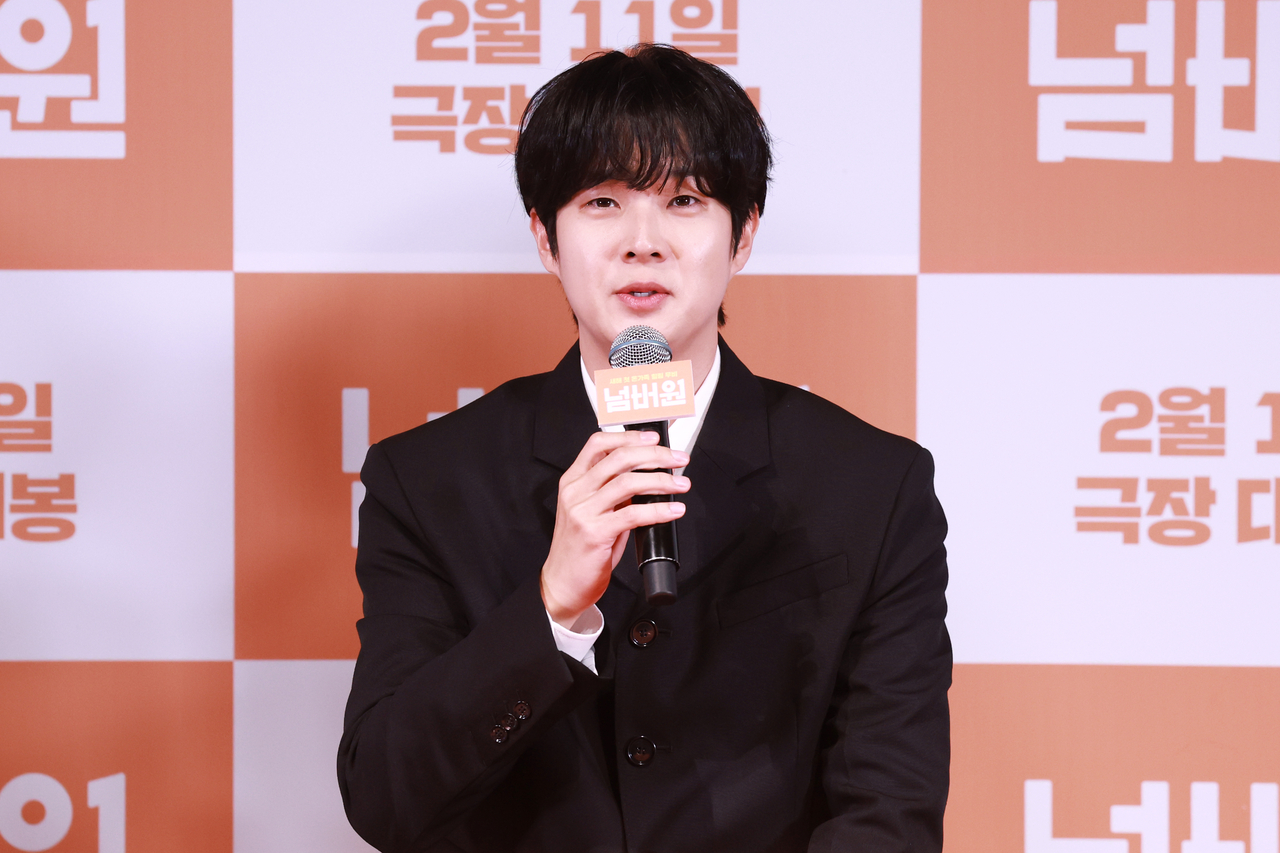
The choice is no less curious on Choi's end. The 36-year-old is now one of the hottest stars in the industry, riding high on splashy TV series and popular variety shows, yet he's somehow opted for a modest mid-budget melodrama.
"There was definitely pressure," he said. "So many people loved 'Set Me Free,' and I kept thinking about how to do even better this time." He credited his history with the director for smoothing the way: "Back then, neither of us really knew what we were doing, and that actually helped. This time around, we've both grown up a bit, and the chemistry shifted with it."
The film also reunites the mother-son duo from "Parasite." Jang Hye-jin, the mom from the Bong Joon-ho film, returns this time as Ha-min's warm-hearted mom, Eun-sil.
"'Parasite' was an ensemble piece, so there wasn't much room to really play off each other," she said. "This time was different." She added that Choi somehow reminds her of her ten-year-old son: "Honestly, it wasn't hard to treat him like my own kid."
However ridiculous it may sound on paper, "Number One"'s fantasy premise — the descending numbers, the countdown to fate — actually holds some promise. The dilemma it sets up, where Ha-min must distance himself from his mother in order to save her, is perhaps the only interesting thing the story has going for it, not that the film knows exactly what to do with it.
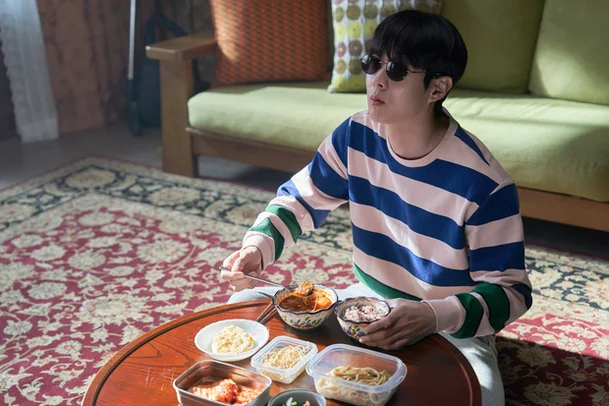
The film pretends it isn't in the business of jerking tears by slathering on pastele hues and sugar-sweet whimsy along the way, but by the end, it commits shamelessly to that mission with maddening sincerity. The credit roll tells you everything you need to know: A montage of random family photos (reportedly of the staff's own parents) set to weepy music, scrolling by as if to milk every last drop of whatever emotion's left.
It tries, as such films often do, to temper what is essentially schmaltz with comic asides and slice-of-life realism. None of it works; the gags are dead on arrival, while extended stretches of characters grinding through the workday drag on without purpose and connect to nothing that matters.
The dialogue reeks of camp but comes off strangely lifeless, a remarkable feat given the caliber of actors involved. Syrupy orchestral swells cue every emotional beat with the subtlety of a bullhorn. Even the mid-film twist that upends everything we thought we knew lands with a predictable thud.
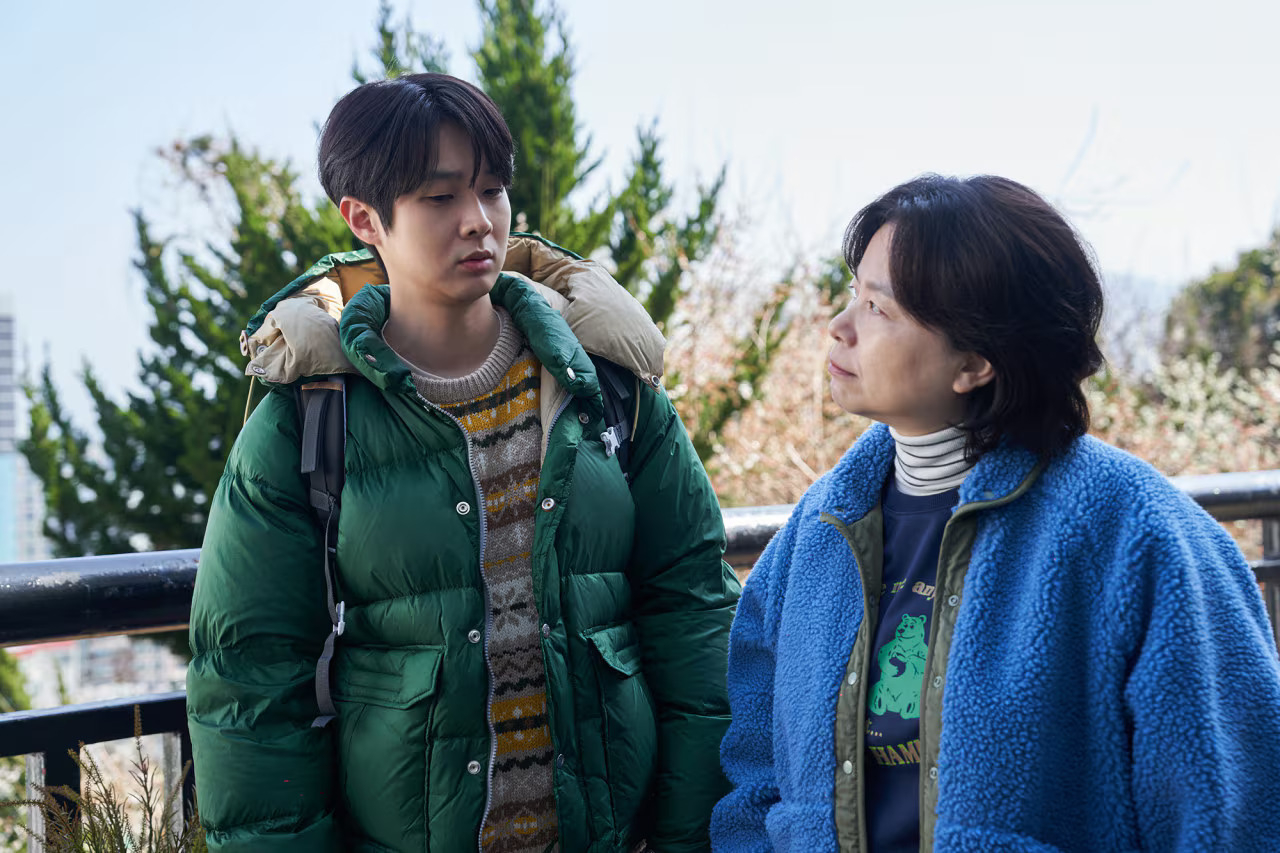
Then there's the question of motherhood itself, the film's only card to play. It's no secret that Koreans have a soft spot for anything involving moms, and the director knows all too well it's money in the bank. The problem is that the mom on display here is the most worn-out archetype in the book. She's the rough-around-the-edges working-class mom done to death and back — sharp tongue, big heart, willing to give everything for her child. We've seen her in a thousand films and twice as many dramas.
It's a deeply conservative vision as well, if not outright patriarchal fantasy, where the mom exists to sacrifice for her son and the multigenerational family is held up as a moral ideal. Eun-sil will travel all the way to Seoul with home-cooked food for her boy, but won't even tell him lest she bothers him at work.
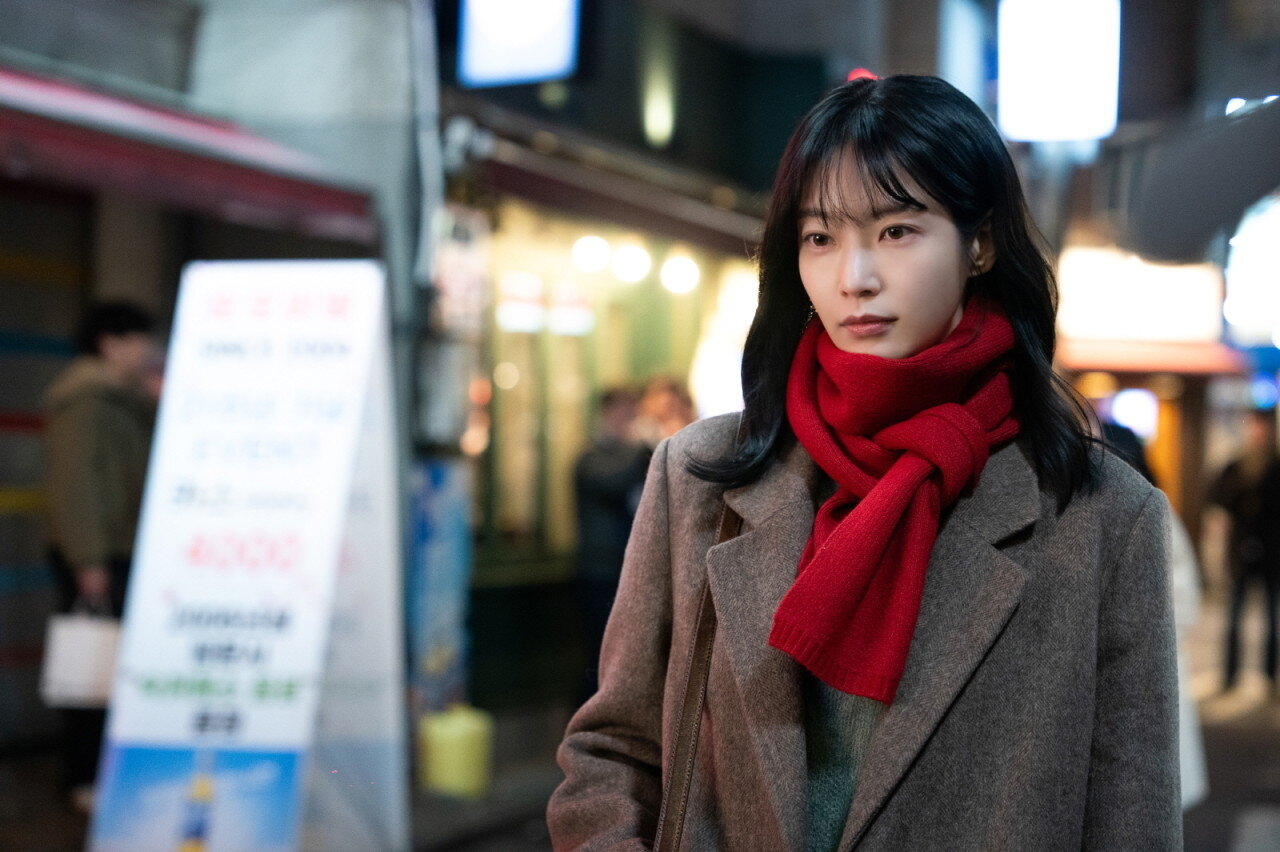
Taking that fantasy a step further is Ha-min's girlfriend Ryeo-eun (Gong Seung-yeon). When Ha-min proposes, Ryeo-eun agrees to marry him only on the condition that they bring his mother to live with them. She barely knows the woman, a few chance encounters at most, but already treats her like her own mom. Women viewers here, all too familiar with the double duties as wife and daughter-in-law, will ask: In what universe?
"Number One" might have worked fine as a made-for-TV flick, the kind you watch for free after dinner and forget by morning. But its ambitions clearly lie elsewhere. The film is timed for the Lunar New Year holidays, a period typically reserved for the biggest blockbusters; its poster proudly declares itself "this year's first healing movie for the family." Besides, with Choi Woo-shik's name on the marquee, hype is more or less guaranteed.
It's a shame that the actor's gift for delicate, measured performance gets squandered in alternating rounds of meaningless gimmick and even more meaningless tears in this Styrofoam of a melodrama. More disappointing still is what it suggests about the director, who seems to have lost his early edge somewhere along the way. Korean cinema may have lost a sharp one.
"These days, with all the provocative stuff out there, we've kind of become numb to death," director Kim said. "I wanted to make something that reminds us how precious a single life can be.
"This film is like a warm home-cooked meal. I hope people leave the theater thinking about calling their mothers."
"Number One" opens in Korean theaters Feb. 11.
moonkihoon@heraldcorp.com