In traditional Korean parenting, co-sleeping extends past infancy into toddler years and even early teens. Should that change?
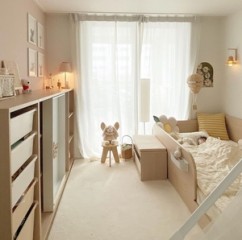
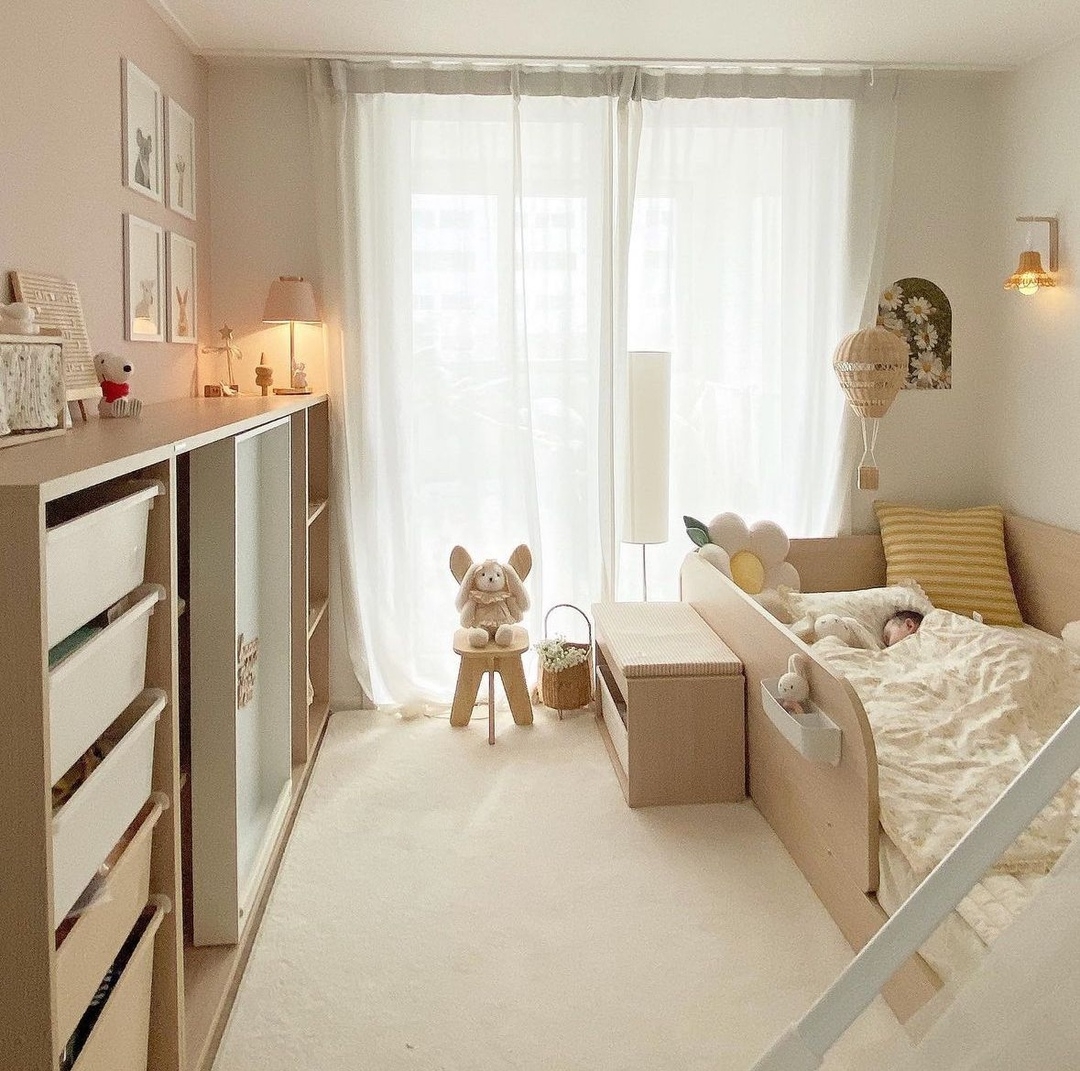
A baby sleeping alone in a separate room from as young as 100 days old is an often idealized, yet unrealistic, thought for many families in South Korea, where children commonly share their parents' bedroom well into their toddler years.
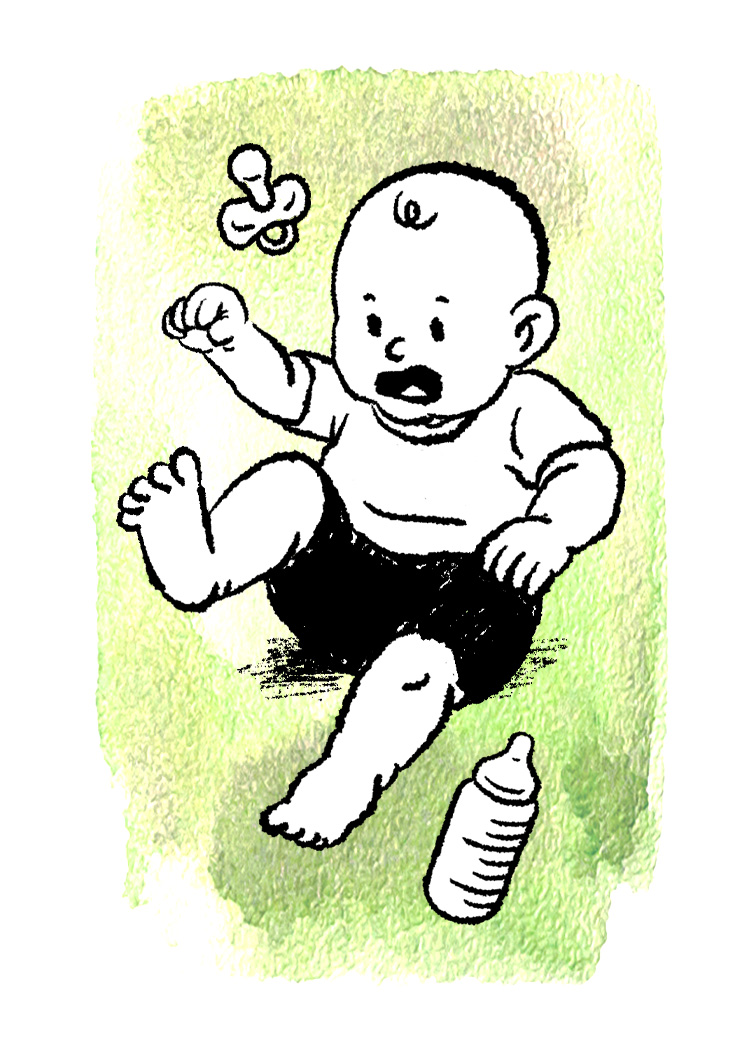
But these days, a growing number of young Korean parents have begun sharing their infant sleep-training journeys on social media, posting videos of their babies' nighttime routines — being left to cry until they fall asleep, waking and settling back to sleep on their own again.
This early sleep separation from parents, particularly from mothers, marks one of the key differences between Western and Korean styles of parenting. Korean culture has traditionally placed greater emphasis on a baby's emotional security and attachment to the mother, while Western cultures tend to prioritize infant independence, the establishment of daily routines and parental well-being.
For many new parents struggling with sleep deprivation, the Western style has clear and tempting merits.
Bang Eun-jung, a 32-year-old mother raising a 7-month-old boy, and her husband, recently began trying the Ferber method for sleep training to put their baby to bed, hoping to reclaim some "quality evening time." Previously, they held the baby until he fell asleep and then laid him down on the bed.
"My baby falls asleep around 10 p.m., and he wakes up a lot during the night, even when it's not for milk. After putting him to bed, I still have to prepare baby food for the next day and catch up on housework. By the time I finally go to bed, it's already after midnight," Bang told The Korea Herald.
"If my baby went to bed early at a regular time, I think I could finally have time to unwind. Also, my wrists and back hurt so much from holding him to sleep. I want him to get used to sleeping on his back."
The Ferber method, named for American pediatrician Richard Ferber, involves training babies to fall asleep on their own by allowing them to cry for a period of time, before parents briefly check in without picking the child up. Developed in the 1980s, the approach gradually extends the intervals between parental responses to help babies adjust to independent sleep. Although it typically involves separate bedrooms, it can also be applied when parents and babies share the same room, provided they sleep in separate beds.
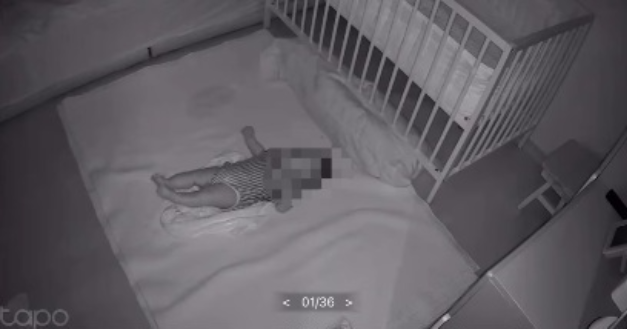
Together or apart?
In traditional Korean society, with multiple generations living together under one roof, having a child sleep alone was almost unthinkable.
With the underfloor heating system, known as "ondol," mothers typically laid bedding on the floor and slept beside their babies. When babies cried, mothers responded promptly, feeding them or changing diapers as needed to help them fall back asleep.
As Western-style beds became more common, this practice gradually evolved into what is now known as the "family bed." Typically built on a low, wide frame, it allows two or more mattresses to be combined according to household size, creating an expansive sleeping space shared by parents and children.
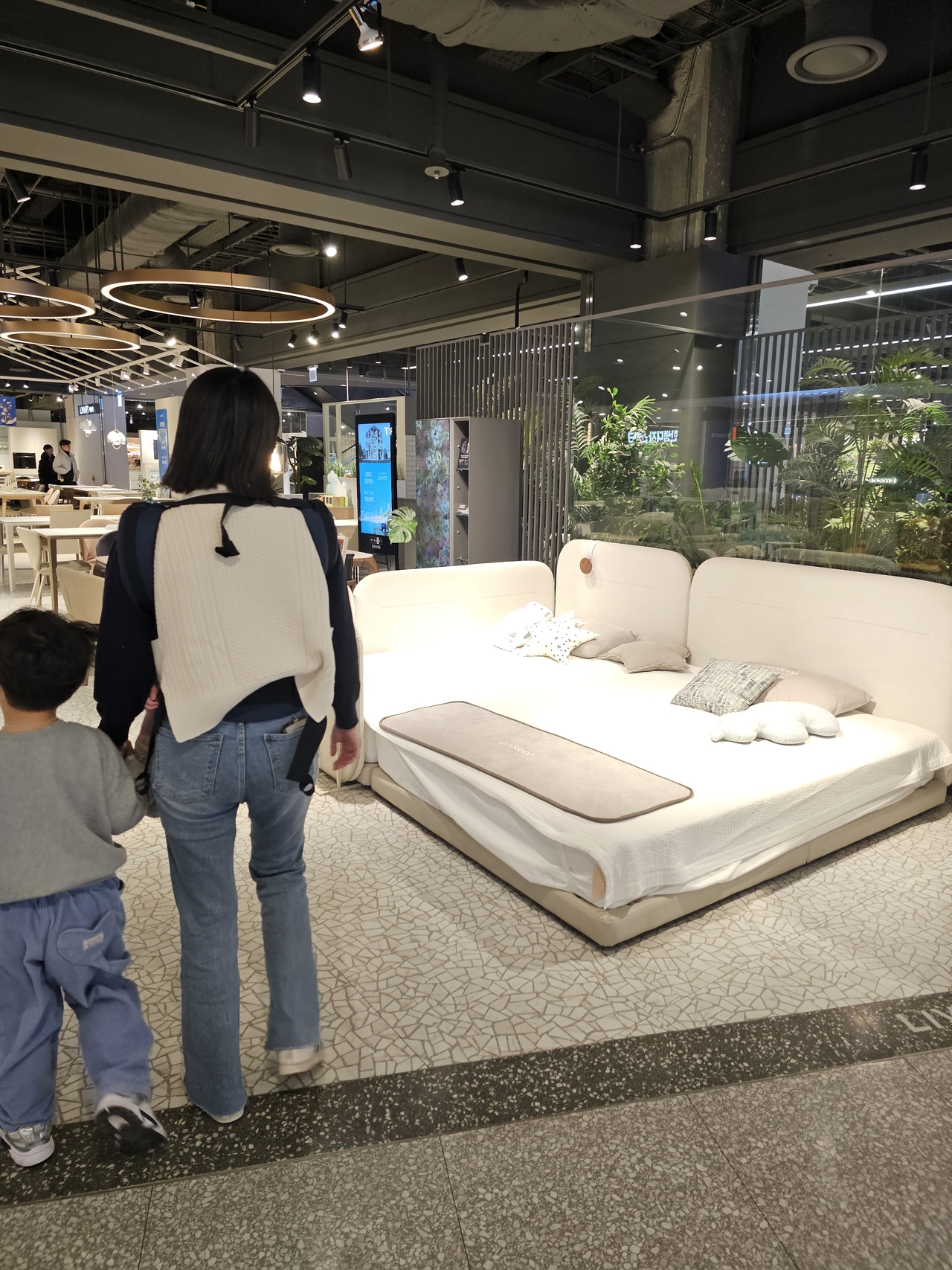
At the same time, the idea of separate sleeping also gained traction as working parents sought better sleep to sustain their work lives. Social media and online parenting communities have further accelerated the spread.
But for many, the main obstacle to separate sleeping seems to lie in its details, rather than in the stated benefits of either approach. Waiting a while to respond to a baby's cries — or intentionally not responding at all — feels too harsh.
"Is it right to leave a newborn alone in the darkness? When a baby wakes up at night, I feel like it would be better for their emotional development to smell their parents and see their faces," a user commented on an Instagram video demonstrating the Ferber method.
"The time when you can hold your baby as much as you want doesn't last forever," another user wrote.
'Even newborns can develop independence'
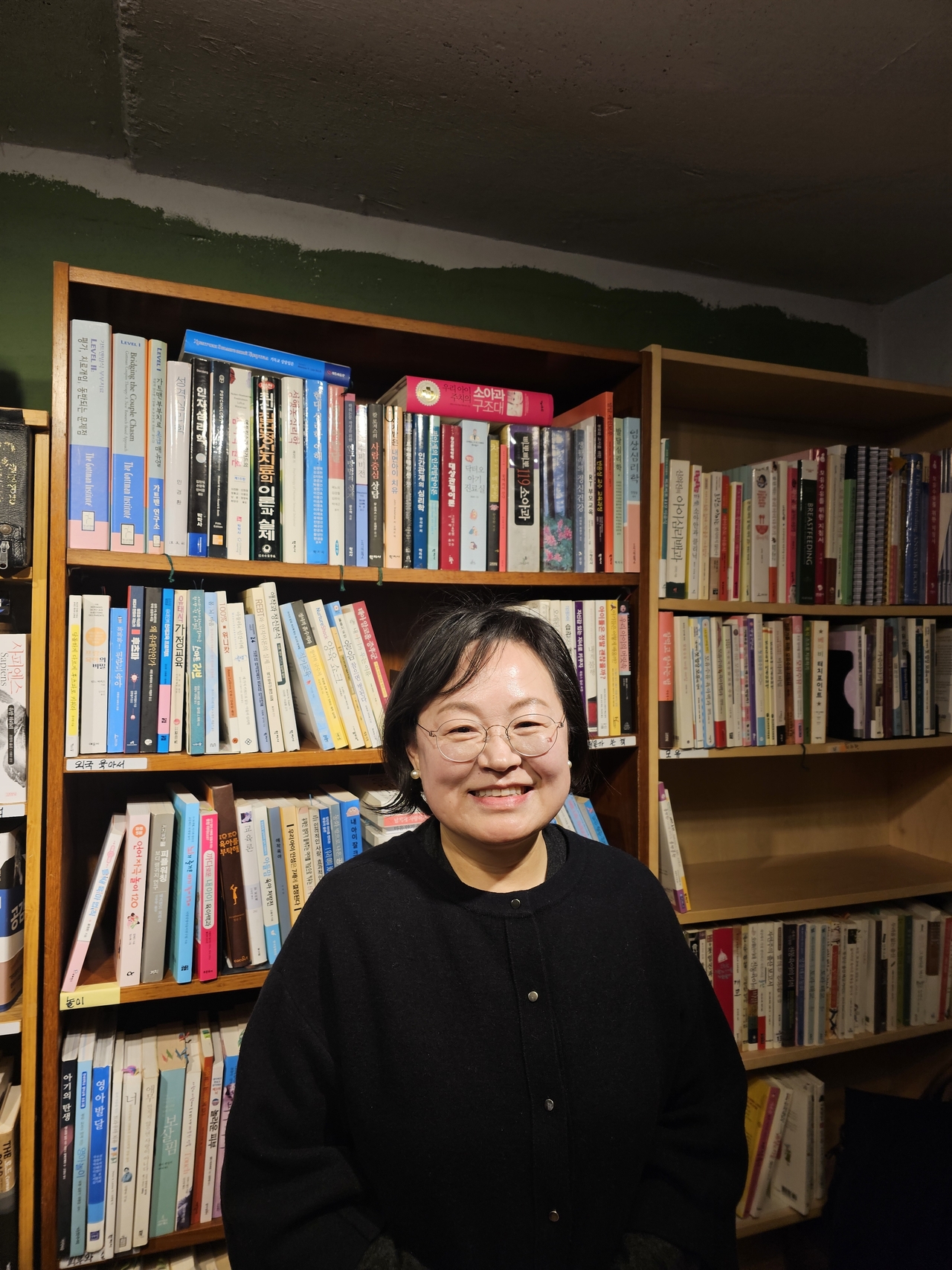
Gwak Yoon-chul, 62, a lactation specialist certified by the International Board of Lactation Consultant Examiners with 20 years of experience, told The Korea Herald that learning to fall asleep can help foster independence in babies.
"They learn to self-soothe and sleep by responding to their own sensations, rather than depending on someone else," she told The Korea Herald. "Over time, I believe these experiences can support the development of independence across other areas of growth."
After years of observing and working closely with countless mothers and babies, Gwak realized that the practice can also support babies' natural movement.
"When mothers and babies sleep together, babies who are learning to sit may push themselves upright from a lying position, but mothers usually lay them back down, so they don't always learn how to lie back down on their own," she said.
"Babies who sleep separately, on the other hand, often have more time to move their bodies freely before falling asleep, which gives them more opportunities to learn through their own experience."
Gwak provided lactation counseling and parent education for infants at Sion Hospital in Suwon, Gyeonggi Province, for 14 years beginning in 2005, having previously run her own postpartum care center from 1999 to 2003. Since 2010, she has expanded her work beyond breastfeeding to offer sleep coaching for many first-time parents struggling with infant sleep issues.
Gwak's approach resembles the Ferber method in allowing babies to cry for a certain time, but she advises parents to respond "selectively" to their infants' cries.
"If the baby is crying with their eyes open, looking for their parents, it's OK to go in and comfort them. But if they're sleepy, eyes closed, just fussing, you wait instead of stepping in, so they can fall asleep on their own," she said.
She pointed out that a bedtime routine is central to making separate sleeping work.
"I tell parents to put their baby down in the crib when they start rubbing their eyes or yawning, and to follow a bedtime routine, such as recapping the day, playing a lullaby or praying, to help the baby feel settled," she said. "Repeating this over time helps babies feel comfortable sleeping on their backs."
She added that a sleep-friendly environment is just as important.
"If bedtime is 7 p.m., this means darkening the whole house, making sure the baby has been fully fed and had their diaper changed, leaving no reason to cry other than sleepiness."
Responding to concerns that allowing babies to cry could harm mother-child attachment, she countered that a mother who is chronically sleep-deprived and irritable during the day may pose a greater risk to that bond.
"In fact, it's ultimately for babies. When babies have a consistent sleep routine and can resettle themselves after waking at night, they're naturally in better condition the next day, which also makes adjusting to day care easier," she said.
'More about choice than good or bad'

For parents weighing whether to practice separate sleeping, pediatrician Ha Jeong-hun, 64 — author of bestselling parenting book "Beep-Boop, Beep-Boop 119 Pediatrics" — says the decision should be guided by each family's circumstances.
"Whether a child sleeps separately or with their parents does not lead to major differences in development. Separate sleeping cannot be judged as good or bad. It's simply a choice parents make based on their preferences and home environment," Ha told The Korea Herald.
The practice can work well for families that have a separate room for the baby and place a high priority on sleep quality. By contrast, parents who value bedtime with their baby and are able to go to bed early together may choose co-sleeping instead, he explained.
Echoing Gwak's view, he noted that separate sleeping may encourage independence, but is not a prerequisite for it.
"Independence is not shaped by sleep alone. There's also a role for babies learning to feed themselves, or trying things on their own during play. There's no major difference between children who sleep separately and those who do not," he said.
The pediatrician, who has around 500,000 subscribers on his YouTube channel offering parenting advice, stressed the importance of consistent responses to a baby's cries when practicing separate sleeping.
"Separate sleeping is not limited to the Ferber method. Some parents hold the baby and put them down just as the child is about to fall asleep, while others lay the baby down and soothe them with gentle shushing sounds or light patting," he said.
"Whatever approach is used, the key is allowing the baby to calm themselves and fall asleep on their own consistently. If parents pick the baby up one night but let them cry the next, the child becomes confused."
Whether parents choose separate sleeping or co-sleeping, responding less immediately to a baby's cries can help improve sleep quality — an important factor in brain development.
"When the crying does not signal an urgent need such as hunger or discomfort, it is better to allow the baby to settle without intervention," he said.
"If parents respond immediately by checking on or soothing the baby every time the child fusses, the baby may come to expect that reaction, making it harder to fall into deep sleep."
According to Ha, the most recommended time to start separate sleeping is around six months, when separation anxiety is just beginning to emerge. If parents fail to establish it at this stage, he recommended trying again after around 36 months, once a child's attachment has become more stable.
"There is no fixed guideline on the age at which children must sleep separately. Whether it's at 6 months, 3 years, or 5 years, families should choose what works best for them," he said.
"Some children continue sleeping with their mothers even after starting elementary school, but there's no need to worry. Children become independent in their own time."
Concerns linger over sudden infant death
As separate sleeping gains traction, social media has seen a growing number of videos featuring sleep training for babies as young as 100 or even just 50 days old.
But experts caution that if introduced too early, separate sleeping may increase the risk of sudden infant death syndrome.
SIDS refers to the sudden and unexplained death of an apparently healthy infant under 12 months of age, with no identifiable cause.
The Korean Pediatric Society recommends that infants not be placed to sleep alone in a separate space until at least 6 months old, and preferably up to 1 year old, due to the instability of their physiological rhythms.
In early infancy, babies' breathing, temperature control and nervous systems are still developing. During sleep, it is common for infants to briefly stop breathing, and gentle external stimuli can help them return to normal breathing.
When a baby sleeps in the same room, caregivers can more easily notice warning signs such as unusual breathing sounds, weak crying or spit-up, and respond quickly, the KPS said in a report.
"In the US, where separate sleeping is widely practiced, the American Academy of Pediatrics still advises parents to have babies sleep in the same room for up to one year," said KPS President Lim Hyun-taek.
"Babies should never be left alone until they can control their own bodies, and any objects that could pose a risk during sleep must be removed," he added.