As New Year demand for fortune-telling peaks, shamanism feels more visible than ever in a country where Christianity and Buddhism dominate
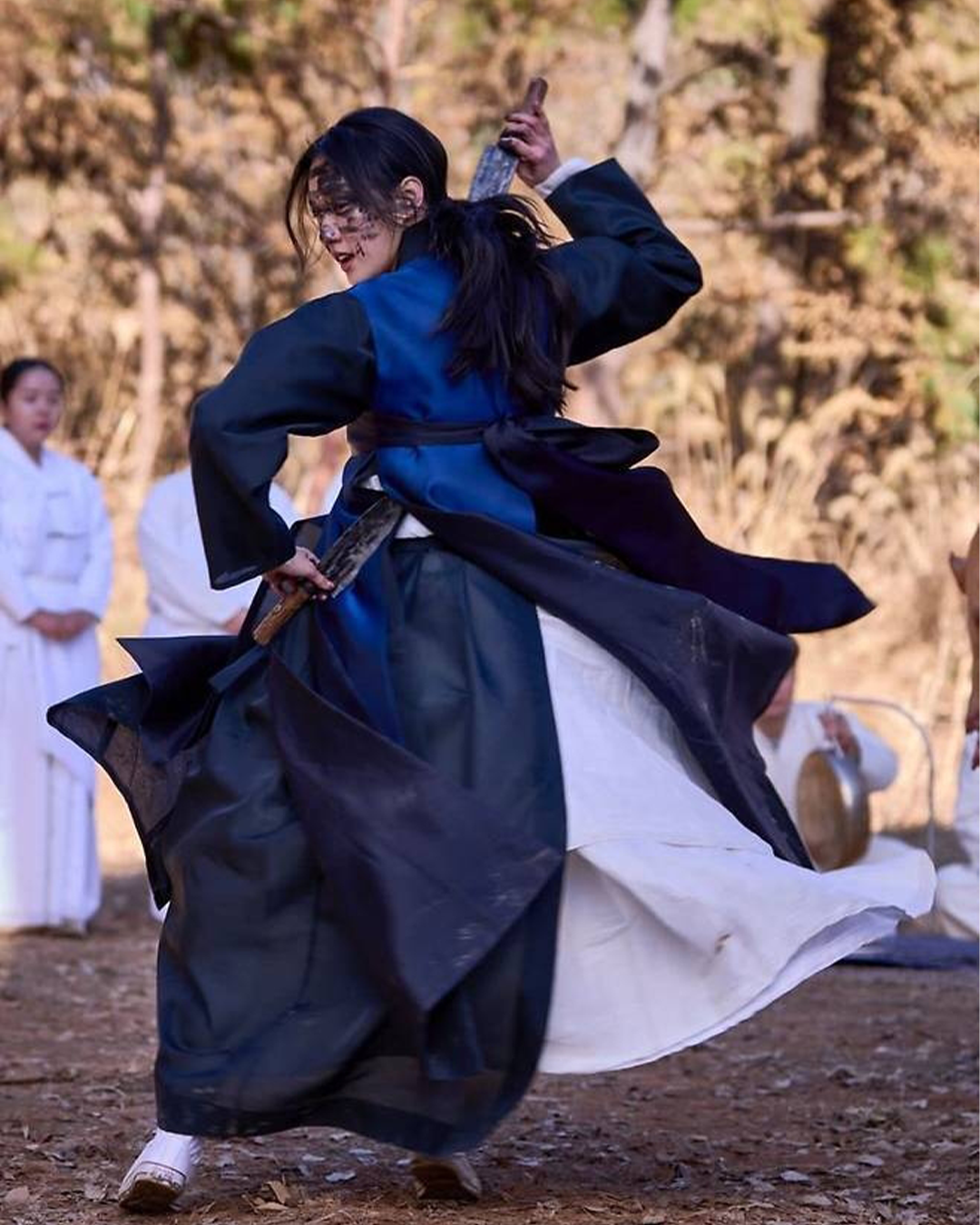
The same questions tend to pop up as the New Year rolls around: What will the year bring? Will things get better? In South Korea, that curiosity often leads people to shamans, making this their busiest time of year.
This was especially evident when I contacted a well-known Seoul shaman, known by the pseudonym Jamsil Bosal, in early December. His schedule was not just full for January. It was closed for the entire first half of the year.
“Weekday appointments are available starting June 8, 2026, and weekend appointments starting Aug. 22,” he said. He charges 150,000 won ($104) for a one-hour consultation, with an additional 50,000 won for family matters involving a typical four-person household.
And it is not only famous names. Consultations with even lesser-known shamans become hard to book at the start of the year, says Kim, who has been visiting shamans each year for about a decade.
“There’s one in Ilsan that’s known for attracting superrich clients, and it’s nearly impossible to get an appointment in January,” said the man who first sought guidance after a serious car accident.
“But even places that aren’t especially well known are hard to book at the beginning of the year. People talk about 'New Year’s fortune' for a reason,” he said.
800,000 or under 10,000?
So, how big is South Korea’s fortune-telling industry exactly?
One figure widely circulated online suggests there are as many as 800,000 shamans nationwide, roughly one for every 64 people in a country of about 51 million.
To put that number in context, South Korea has around 500,000 teachers from kindergarten through high school, and about 800,000 platform workers earning income through services such as food delivery apps.
Industry insiders dismiss the 800,000-shaman figure as groundless.
An official from Daehan Gyeongsin Yeonhaphoe, the country’s largest shaman organization, said the estimate has no factual basis.
The group was founded in the 1970s and later registered as a nonprofit organization in 2000.
“Eight hundred thousand is simply impossible,” the official said. “Even at our peak in the early years, the number of registered shamans nationwide was around 300,000 at most. Even accounting for growth since then, it would be hard to say we have surpassed that level.”
He added that the perception that more people in their 30s and 40s are entering the field may be fueling such rumors.
“Traditionally, many practitioners are in their 50s, 60s or even 70s,” he said. “I think you could say younger people are increasing, but there are no precise figures to support that.”
Government data also suggests far smaller numbers.
According to Statistics Korea, 10,512 people were working in the "fortune telling and similar services" category in 2023, spread across 9,895 businesses. That represents an increase of about 8 percent in workers and 10 percent in businesses compared with 2020.
However, the category includes tarot reading and astrology, meaning the number of practicing shamans is likely even lower.
The gap between public perception, industry estimates and official statistics largely comes down to one issue: There has never been a comprehensive nationwide survey of shamans.
The association said such a survey is important, arguing that clearer standards would benefit both practitioners and the public.
“When anyone can claim to be a shaman, it causes social problems,” the official said. “People who genuinely follow their spiritual beliefs end up being harmed, and it reinforces negative views of shamanism as a whole.”
He also rejected claims that calls for recognition are driven by tax concerns.
“Christianity, Catholicism and Buddhism were not established to receive tax benefits from the government,” he said. “It’s the same with us.”
So why does it feel like shamans are everywhere?
Officially, the biggest religion in South Korea is Christianity, although those who say they are not religious account for slightly more than half of the population.
According to a 2024 survey by local pollster Hankook Research, 49 percent of South Koreans identify as religious, with 20 percent Protestant, 17 percent Buddhist and 11 percent Catholic, while about 2 percent follow other religions. The remaining 51 percent said they are not religious.
Shamanism, in this survey, falls into that 2-percent miscellaneous category.
But when it comes to visibility, the picture is very different.
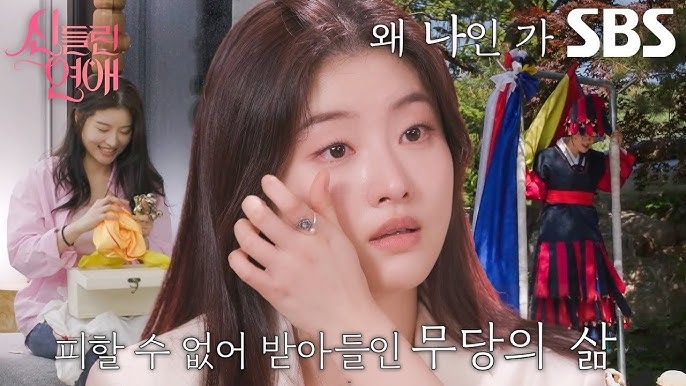
Shamans are more present in public life than ever before. They appear on television programs, including dating shows such as SBS’ “Possessed Love.” They have also built followings on YouTube and other online platforms.
In popular films such as "Exhuma," shamans are portrayed as compelling and even stylish characters, reinforcing their place in the cultural mainstream.
They have also appeared repeatedly in major news stories, from political scandals to corporate disputes. Reports that former President Yoon Suk Yeol sought advice from fortunetellers, as well as allegations involving a shaman during the high-profile conflict between Hybe and former Ador CEO Min Hee-jin, have kept shamanism in the headlines.

Critics said part of this visibility comes from a shift in image.
According to culture critic Jung Deok-hyun, "shamans are no longer depicted the way they used to be.”
“They are much more in tune with millennials and Generation Z, and in some ways they come across as quite hip and stylish.”
He added that while shamanism often appears in political contexts as something serious or controversial, younger audiences tend to engage with it differently. Many see it not as blind faith, but as a form of everyday entertainment.
He pointed to "Possessed Love" as an example. The show introduces conflicts that only shamans can create, such as spiritual readings that clash with romantic instincts. This adds a fresh layer of tension that conventional dating shows do not have. Similar themes often appear in romantic comedy shows.
Jung also suggested that younger generations increasingly view shamans through a psychological lens.
“Shamans listen to people’s stories,” he said. “There’s a healing element to that. In a way, they function like counselors, offering comfort and reassurance.”
For a generation navigating uncertainty and emotional fatigue, he added, that role may feel especially relatable.
Jang, 33, who plans to visit a shaman in Busan at the beginning of 2026 after receiving a recommendation from a colleague, agreed with that assessment.
“I’m not going to take everything seriously,” she said. “But I do have concerns about my career and love life. It feels comforting to hear someone talk about how things might turn out. It eases my anxiety a little, and even just talking about it helps.”
ssh@heraldcorp.com