As one year draws to a close and another begins, many people find themselves lingering on what fell short while summoning fresh resolve for what lies ahead. It is a familiar moment of reckoning -- part regret, part determination.
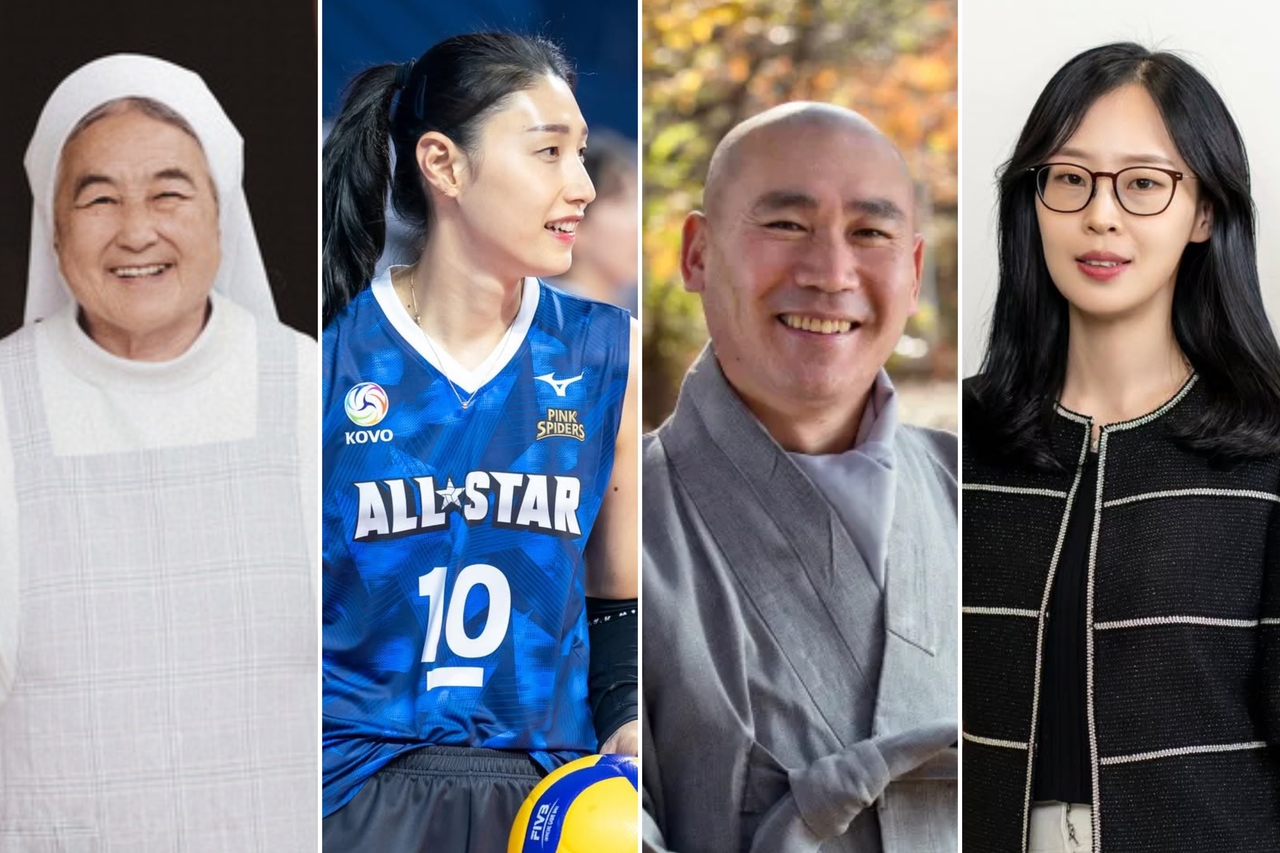
In recent months, several figures widely loved in Korea have published essays and self-reflection books shaped by lives devoted to practice, work and focus. Together, they offer modest, practical insights for living a little better in the year to come.
Sister Lee Hae-in: Widen, deepen, be gentle
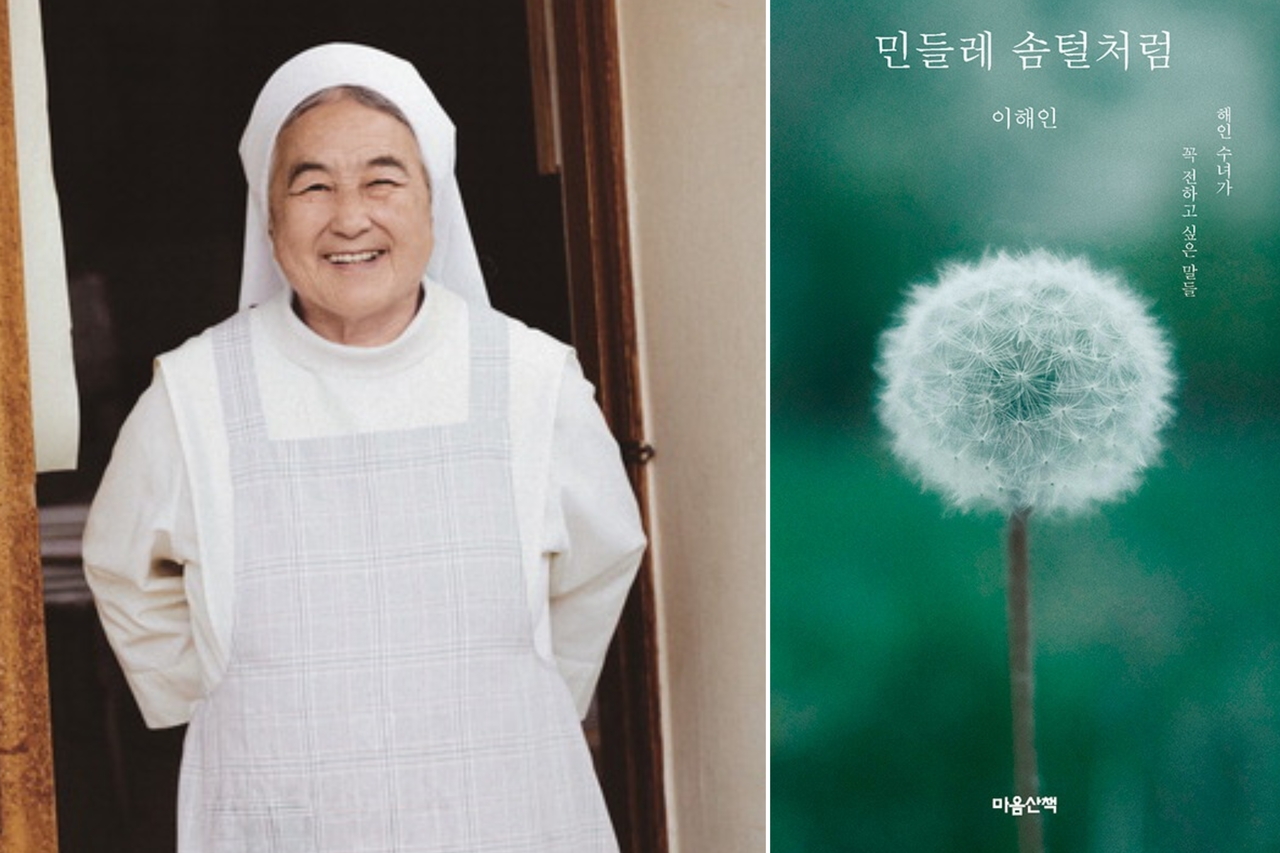
For Sister Lee Hae-in, the quiet imperatives are simple: to widen the heart, deepen the spirit and be gentle with the world. They are the distilled wisdom of a life lived in contemplation and words, 60 years as a Catholic nun and 50 as one of Korea’s most beloved poets since publishing her first poetry collection “The Land of Dandelions” in 1976.
Her new essay collection, “Like Dandelion Fluff,” draws on interviews and previously unpublished conversations, gathering the reflections she most wanted to leave behind and weaving them together with poems. Even after she is gone, she believes, her words will remain. She imagines her thoughts drifting through the world like dandelion fluff. Near her convent, dandelions bloom most days of the year. From them, she continues to learn about meeting and parting, sorrow and renewal.
“Fifty years ago it was ‘dandelion land,’” she says. “Now it’s dandelion fluff.” Catching sight of her white hair in the mirror, she adds that she sometimes thinks, “I’ve become dandelion fluff myself.”
Since joining the Olivetan Benedictine Sisters of Busan in 1964, she says the greatest gift of religious life has been learning to feel affection for everyone, so much so that even strangers feel like family. In the convent’s storage rooms sit hundreds of thousands of letters from readers, collected since the mid-1980s.
These days, she writes, her small daily pleasure is photographing clouds. Her religious name is Claudia, after all. As she captures their ever-changing forms, she repeats a quiet mantra to herself: “Widen, deepen, be gentle.”
Kim Yeon-koung: Steady efforts matter
For many athletes, retirement arrives sooner than expected. After spending anywhere from a decade to 30 years chasing excellence from childhood, they must leave behind the arena that defined them and begin again.
Former volleyball star Kim Yeon-koung has done just that. A star player and television personality, Kim announced her retirement last April after leading the Incheon Heungkuk Life Pink Spiders to the women’s V-League championship in the 2024-25 season and claiming the league’s most valuable player award.
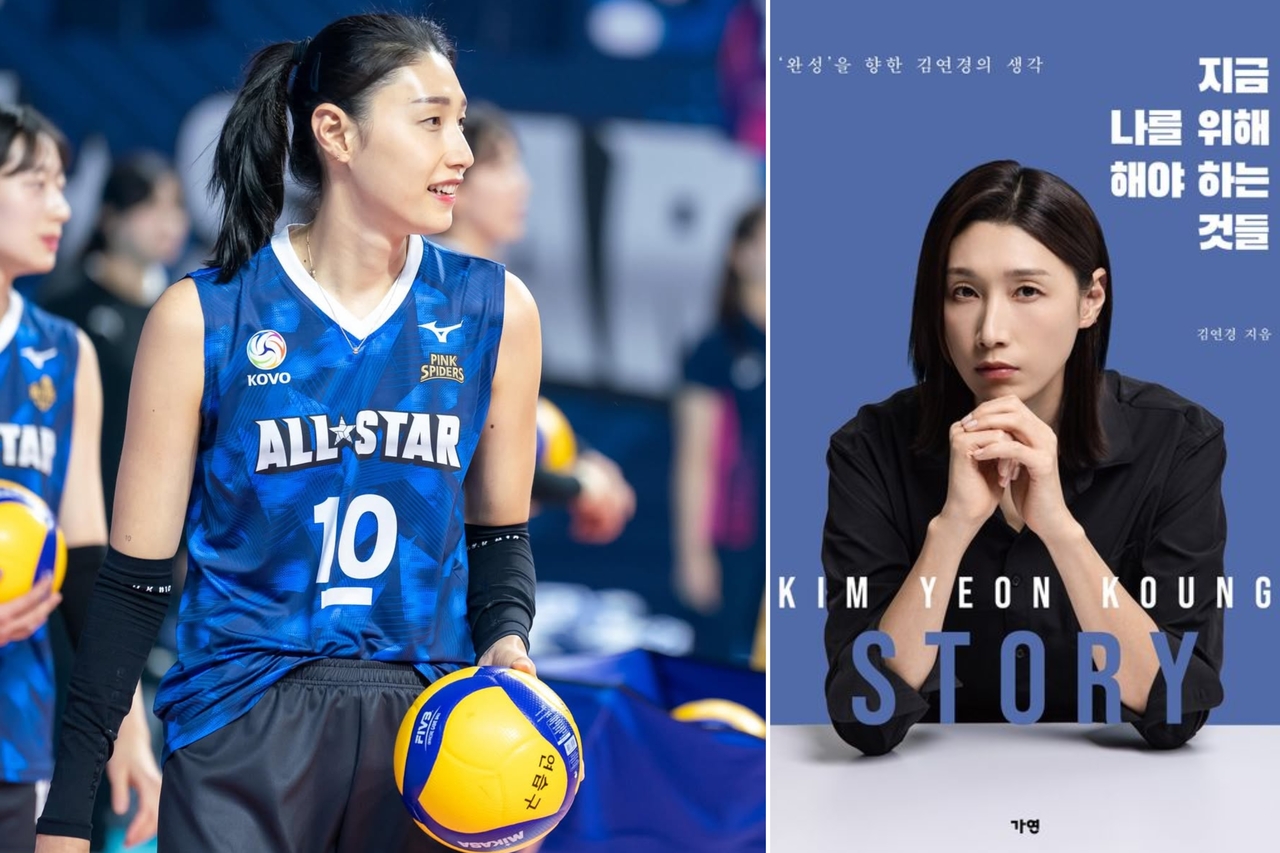
Retirement, Kim has said, is not an ending but a beginning. Since stepping off the court, she has taken on new roles with ease: serving as a coach for an underdog team on a reality television show, chairing the KYK Foundation and working as an instructor. “I’ve left the court I loved,” she said. “But new challenges will continue.”
Those challenges are reflected in her recently published book, “What I Need to Do for Myself Now.” Drawing on lessons from her playing days, Kim writes about attending carefully to small tasks and turning adversity into growth. The book traces her journey to the top of world volleyball, the injuries and contract disputes that followed success, and her effort to move beyond being a great athlete toward becoming a more complete human being.
“The process always mattered more than the result,” she says. “Without steady effort, no goal is possible. The difference may seem small at first, but over time, the gap becomes unmistakable.”
The Venerable Magga: Let feelings flow
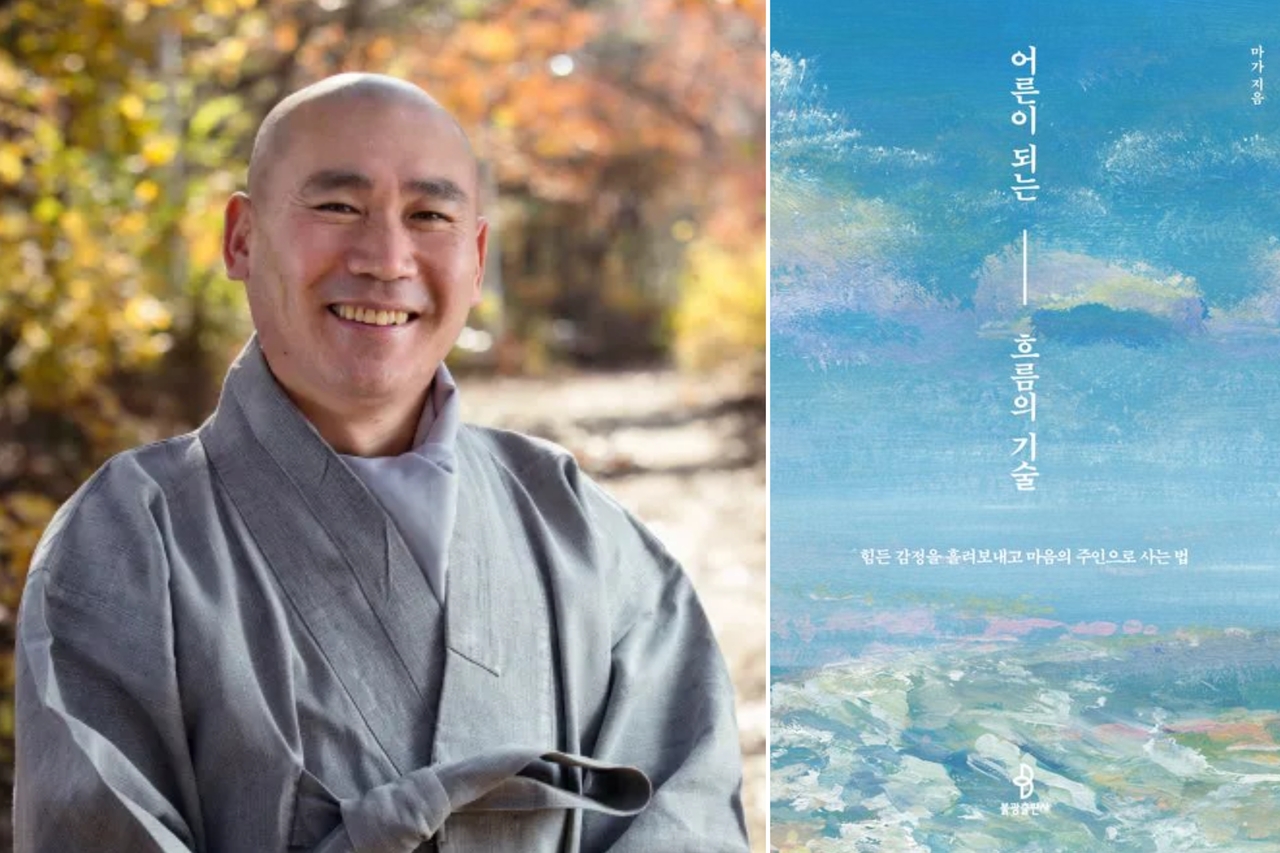
For four decades after entering monastic life, the Venerable Magga has emerged as one of Korean Buddhism’s best-known “healing mentors.” He pioneered Korea’s Templestay program in 2002, when the idea was still unfamiliar, and his talks have unfolded everywhere from temples and radio studios to schools, companies and government offices. Often, these gatherings turn into unexpected spaces of shared tears, laughter and embraces among strangers.
He has published a new essay collection, “The Art of Growing into Adulthood,” which he says came from seeing so many people living as if their hopes and dreams had disappeared. Describing himself as someone who “knew pain from birth” (his father left before he was born) and endured many twists of fate, he offers a deceptively simple approach to difficult emotions: Look at them and accept them.
“It's easy to tell people to ‘let go.’ If the mind were an object, it would be simple. Don’t struggle. See your mind as it is and accept it. Then you begin to notice its inner flow.”
He offers a brief breathing practice: Raise your elbows to chest height, inhale deeply and exhale. “Take your time,” he advises.
In the author’s notes, Magga returns to essentials: “The most important time is now. The most important work is what you are doing now. The most important person is the one beside you.” In a changing world, he adds, the task is to keep a free mind.
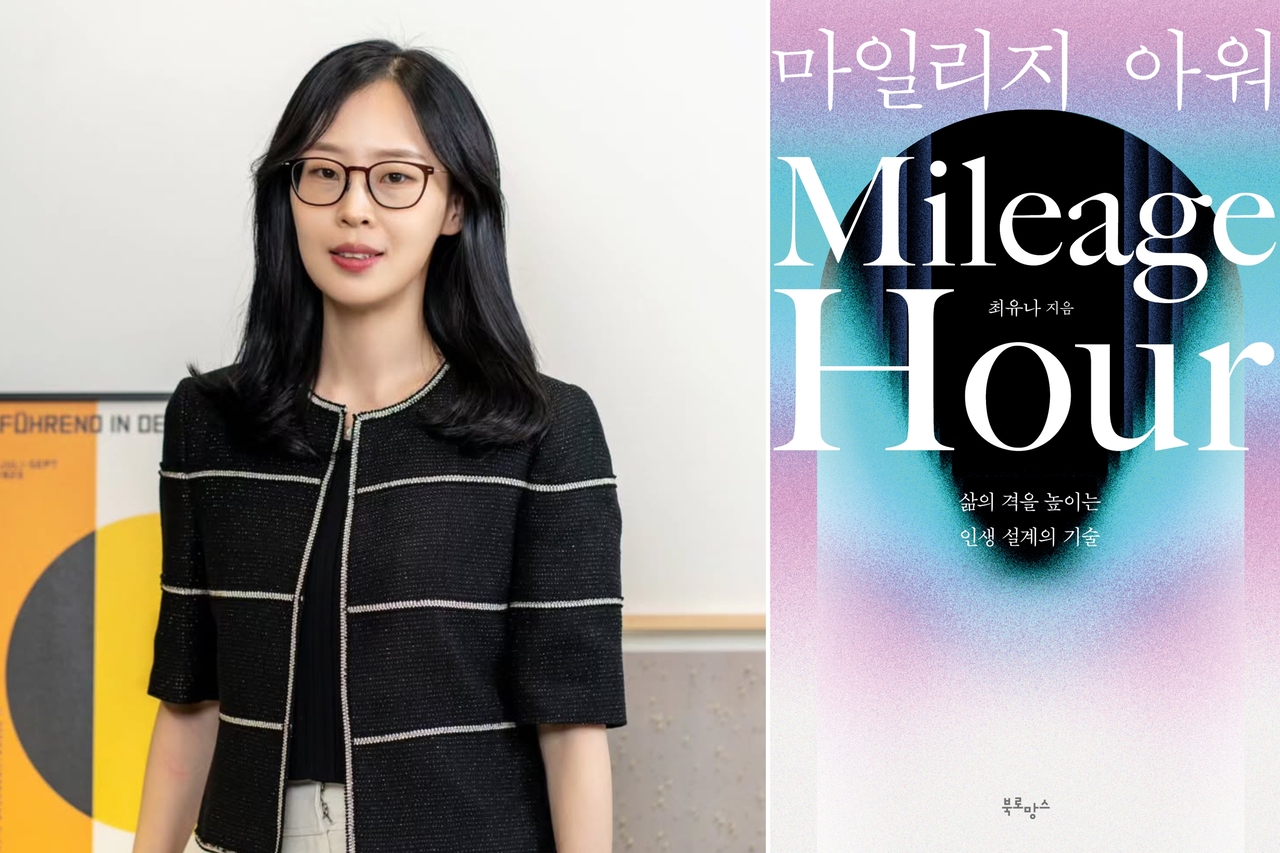
Attorney Choi Yuna: Save time to change life
Choi Yuna lives what she calls three -- maybe more -- lives in a day. She is a lawyer (divorce attorney) and managing partner at a law firm, a working mother of two sons, a television drama writer (SBS' "Good Partner," 2024) and a webtoon creator on Instagram. She has now added another role to the list: the debut author of a self-help book. The driving force behind this crowded life, she says, is not talent but time. “The person who controls time changes the outcome of life.”
By her own account, Choi was never an exceptional student. She describes herself as physically frail and frequently ill. An English major who struggled with the language, she attended a regional law school that suitd her academic record and did not excel there. She considers herself competent but ordinary, closer to average than outstanding.
Because she had done it herself, she came to believe that ordinary people can do almost anything if they learn to use time differently. Her key idea is what she calls the “mileage hour,” a way of accumulating time like airline mileage.
Choi asks readers to define what a successful life means to them, and then to consider how they must spend their hours to reach it. Time management is a universal assignment, regardless of the goal. She recommends setting aside one hour a day to redesign life. She offers four steps: Be your own way of recharging, build sustainable routines and environments, begin before you feel ready, and strip away what's unnecessary to focus on what matters most.
hwangdh@heraldcorp.com



![[Weekender] Are men with type B blood really womanizers?](https://wimg.heraldcorp.com/content/default/2018/07/26/20180726000649_0.jpg?type=h&h=240)